
DoorBird and 2N: two makers of IP video door entry
Both brands make IP door stations: a unit at the door or gate with a camera, a call button and a relay that releases a lock, connected to the house over the network rather than old intercom cable. They come from different backgrounds.
- DoorBird is made in Germany by Bird Home Automation and is part of ASSA ABLOY. Its door stations combine HD video through a 180-degree lens, a motion sensor, infrared night vision, RFID and SIP calling, with PoE power and IP65 weather protection. The D22x Series is its newest range, alongside the earlier D10x, D11x, D20x and D21x families.
- 2N is 2N Telekomunikace, a member of the Axis group, with solutions for single-family homes, apartment buildings and offices. Its flagship 2N IP Verso 2.0 is modular: a main unit with a wide-angle full-HD camera, in nickel or black, can be combined with up to 20 module types such as keypads, a touch display, a fingerprint reader and Bluetooth and RFID readers. Indoor answering stations include Indoor View, Indoor Talk and Indoor Compact.
Why owners choose DoorBird and 2N intercoms
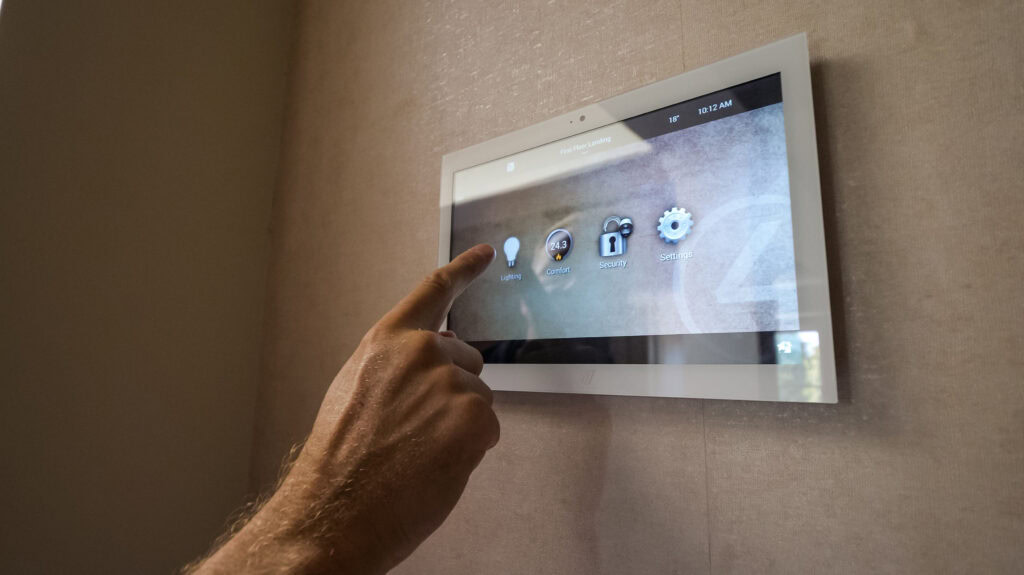
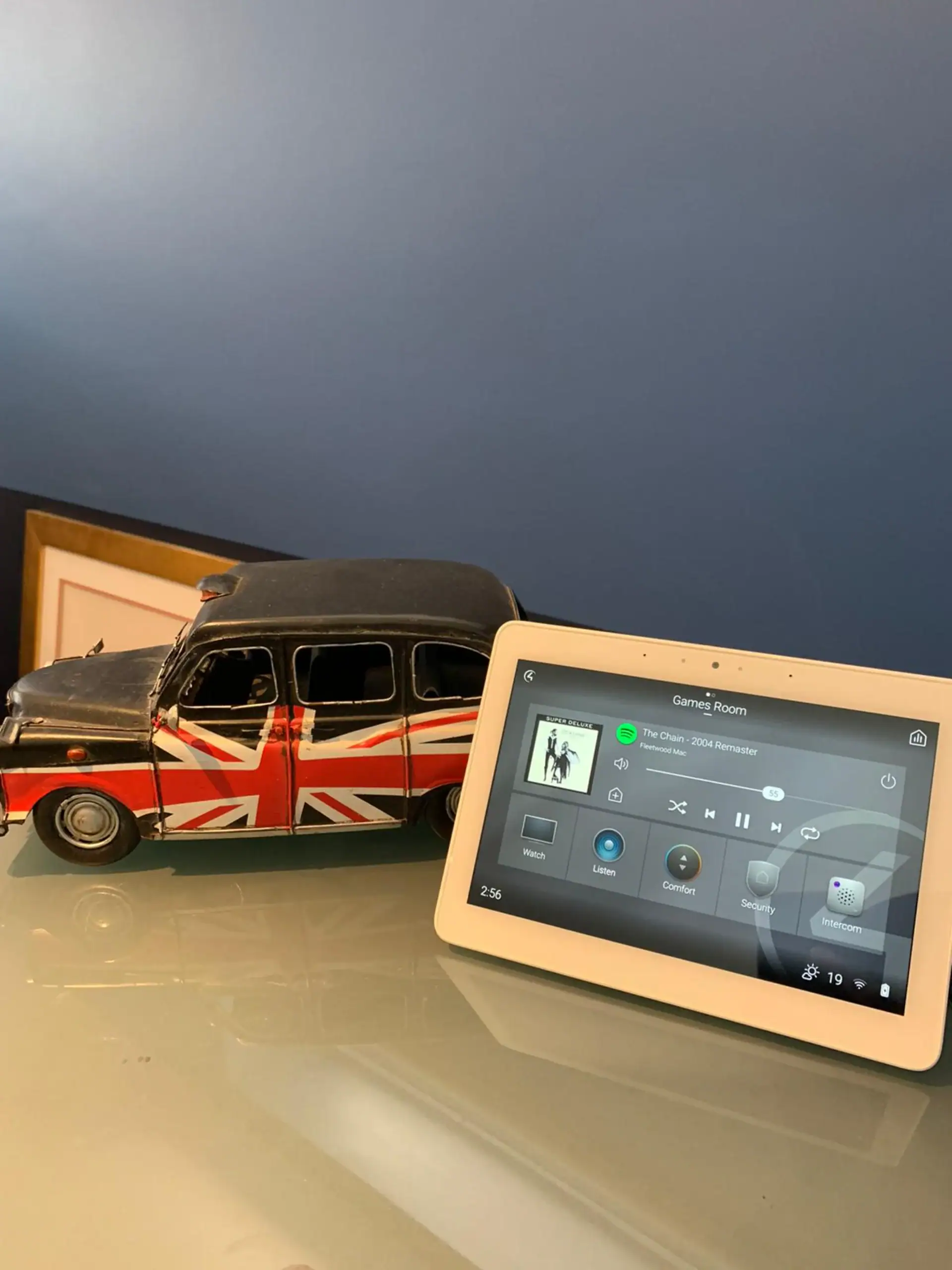
The main reason is that the door station joins the rest of the home instead of living on a separate handset in the hall. A press of the bell can appear on a Control4 touch screen or phone, recorded clips sit with the rest of the security system, and the gate can be released wherever you are.
Each brand has its own strengths. DoorBird's integration list is long, from Control4 and Crestron to KNX and Loxone, and its stations are designed to replace a simple bell push at a front door. 2N's strength is access: besides PIN and RFID, the IP Verso 2.0 supports mobile access through WaveKey and QR codes for one-off visitors, and its camera can zoom automatically on a visitor's face. 2N also offers free cloud calls from the intercom to up to four mobile phones on each new single-family home installation.
For a house with staff, regular deliveries or a long drive, those access options often matter as much as the picture.
Planning door entry: gates, locks, licences and networks
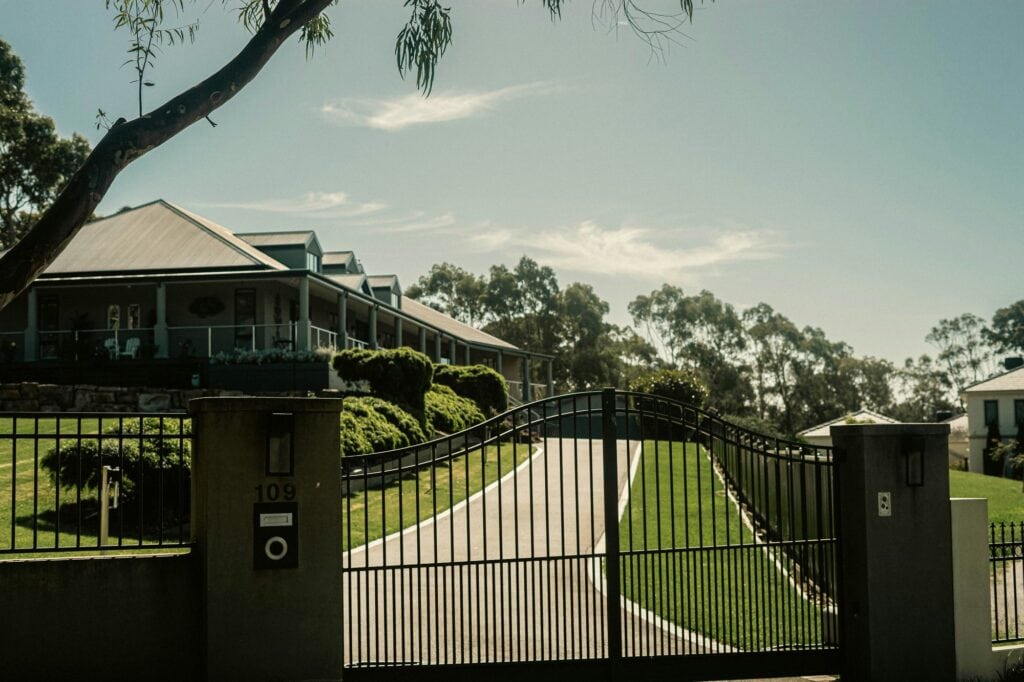
- Gates and long drives. A door station at the end of a drive needs a network connection and power at the pier, which is far easier to lay with the groundworks than afterwards.
- The lock. The station's relay only switches; the electric strike, magnetic lock or gate motor it drives is chosen with the joiner or gate installer, and the release time agreed for each entrance.
- Licences and firmware. Allow for the 2N Gold licence and check firmware against the driver's minimum. DoorBird's guide lists the series it covers, so a newer D22x station should be confirmed against the current driver.
- Answering points. List every touch screen, phone and room that should ring, and who should not be disturbed at night.
- Period frontages. On a listed house, a discreet position on the gate pier or in the porch may be better than the front door itself; our guide to listed and period homes covers similar sensitivities.
- Network separation. The door station sits outside the building, so it belongs on its own segment of the network. Our network design page and the Control4 network checklist explain how.