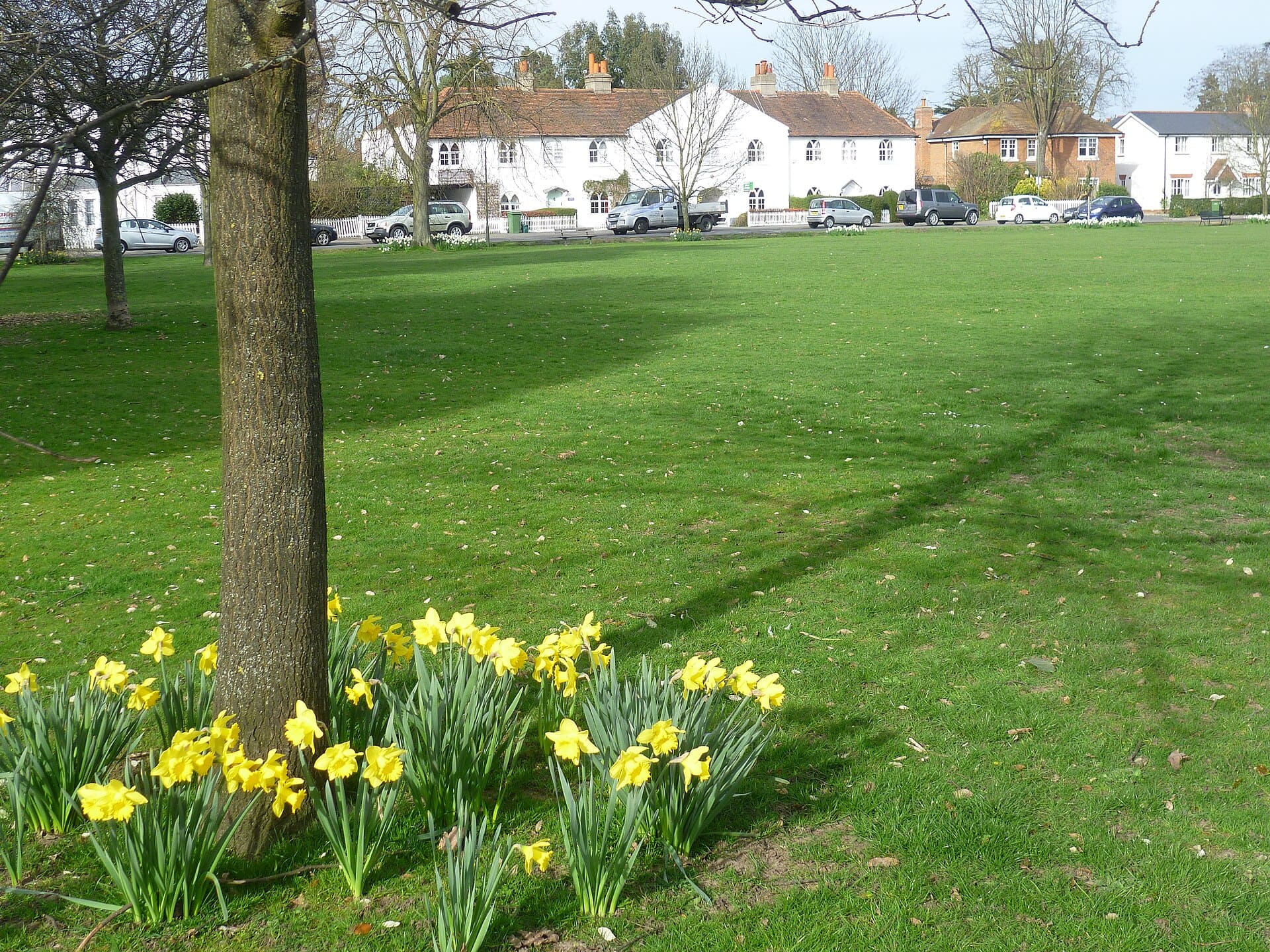

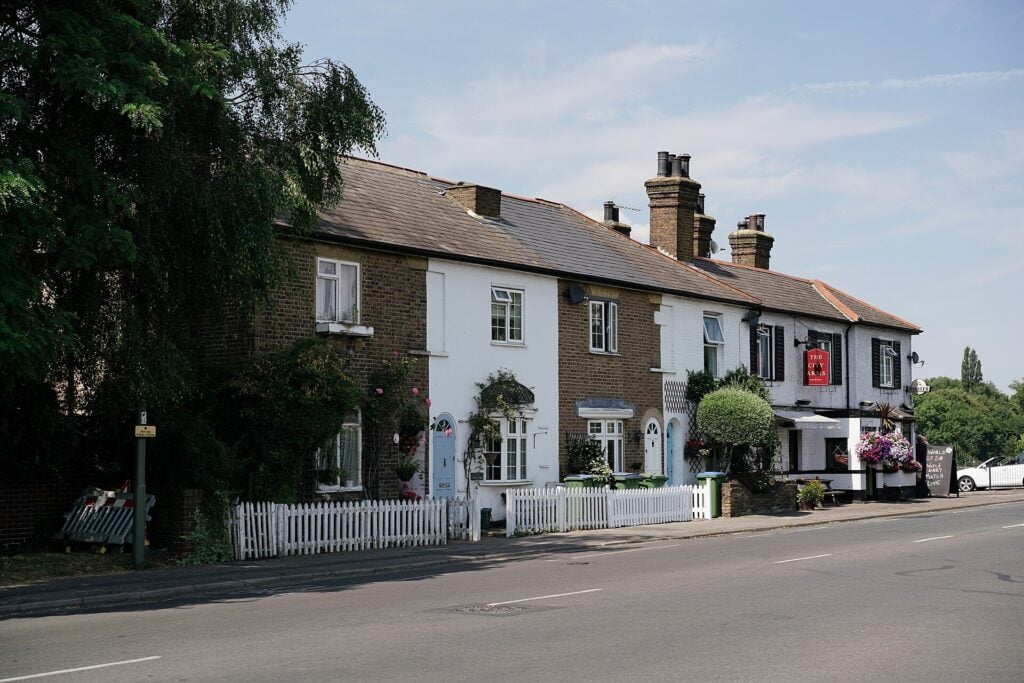
 A row of period cottages in Thames Ditton. Photo: Peter Trimming, CC BY-SA 2.0
A garden room 70 metres from the house: how did we get it online?
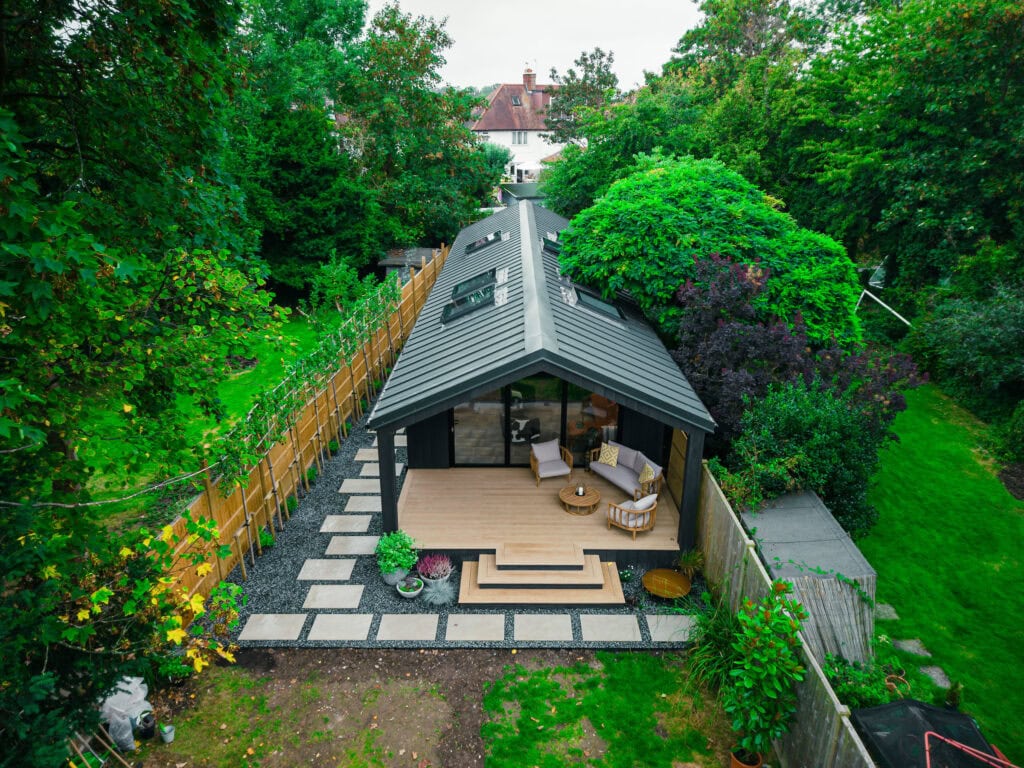
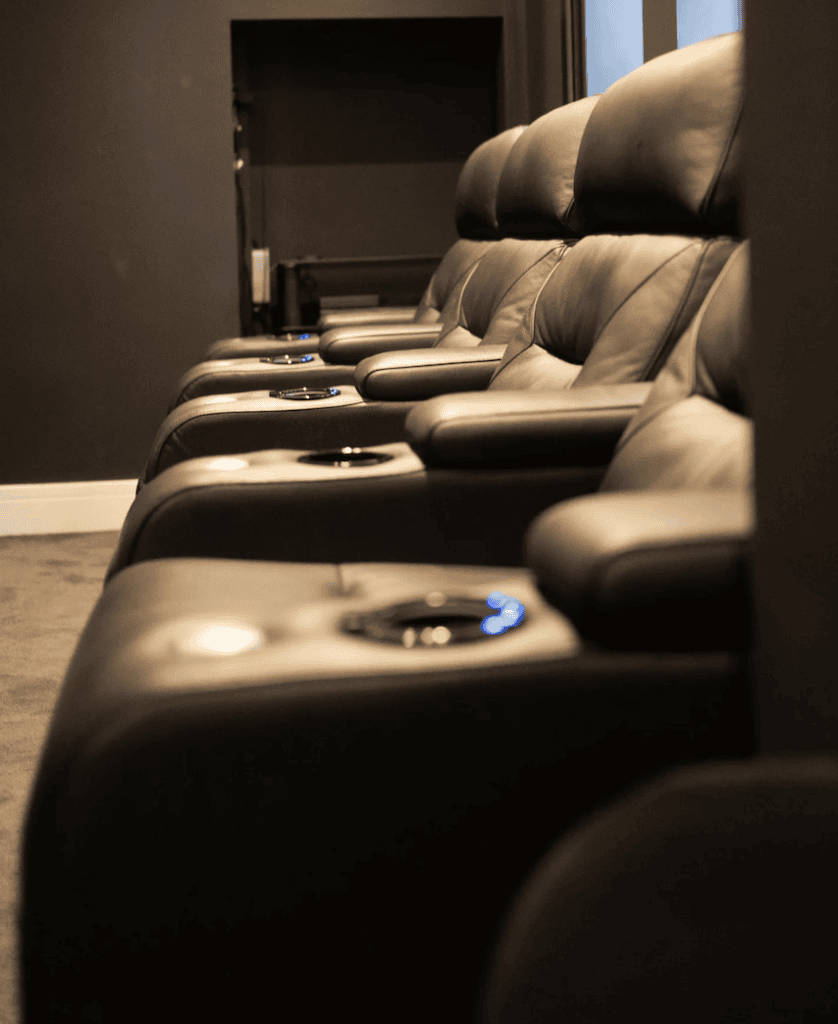
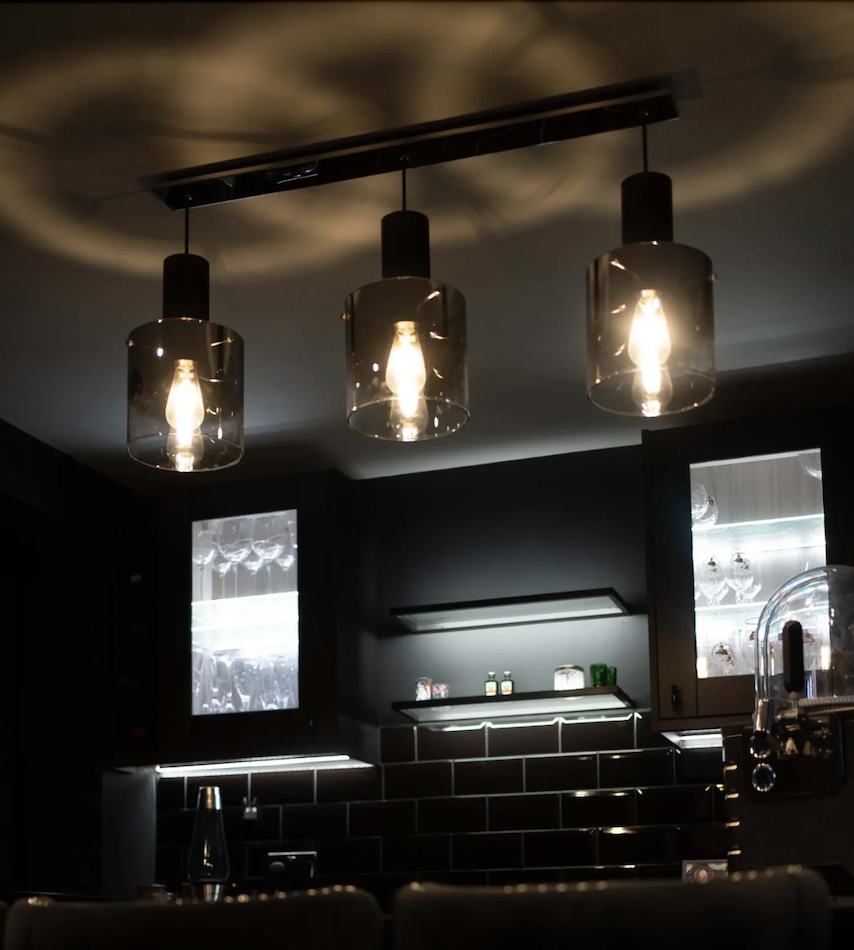
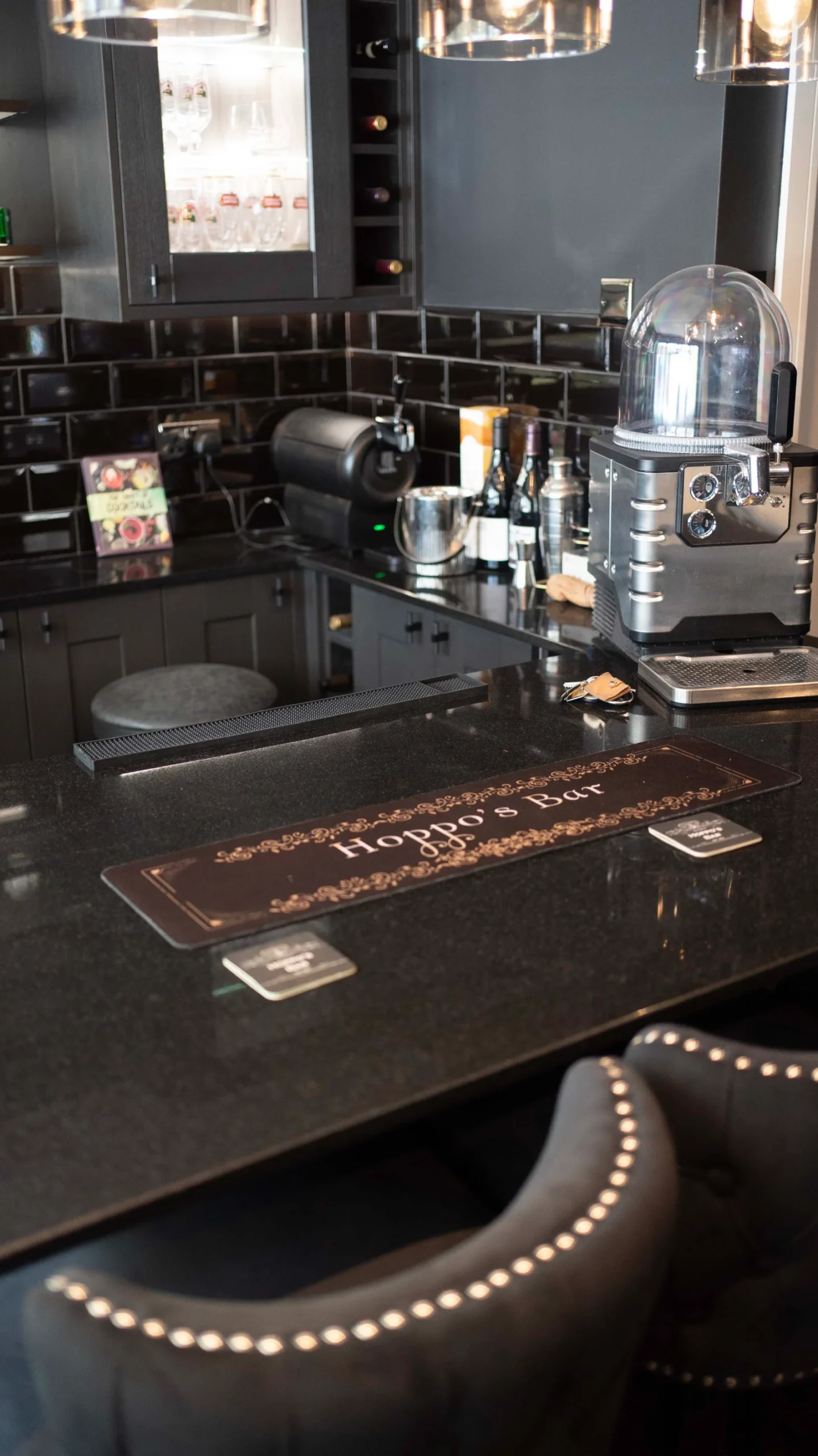
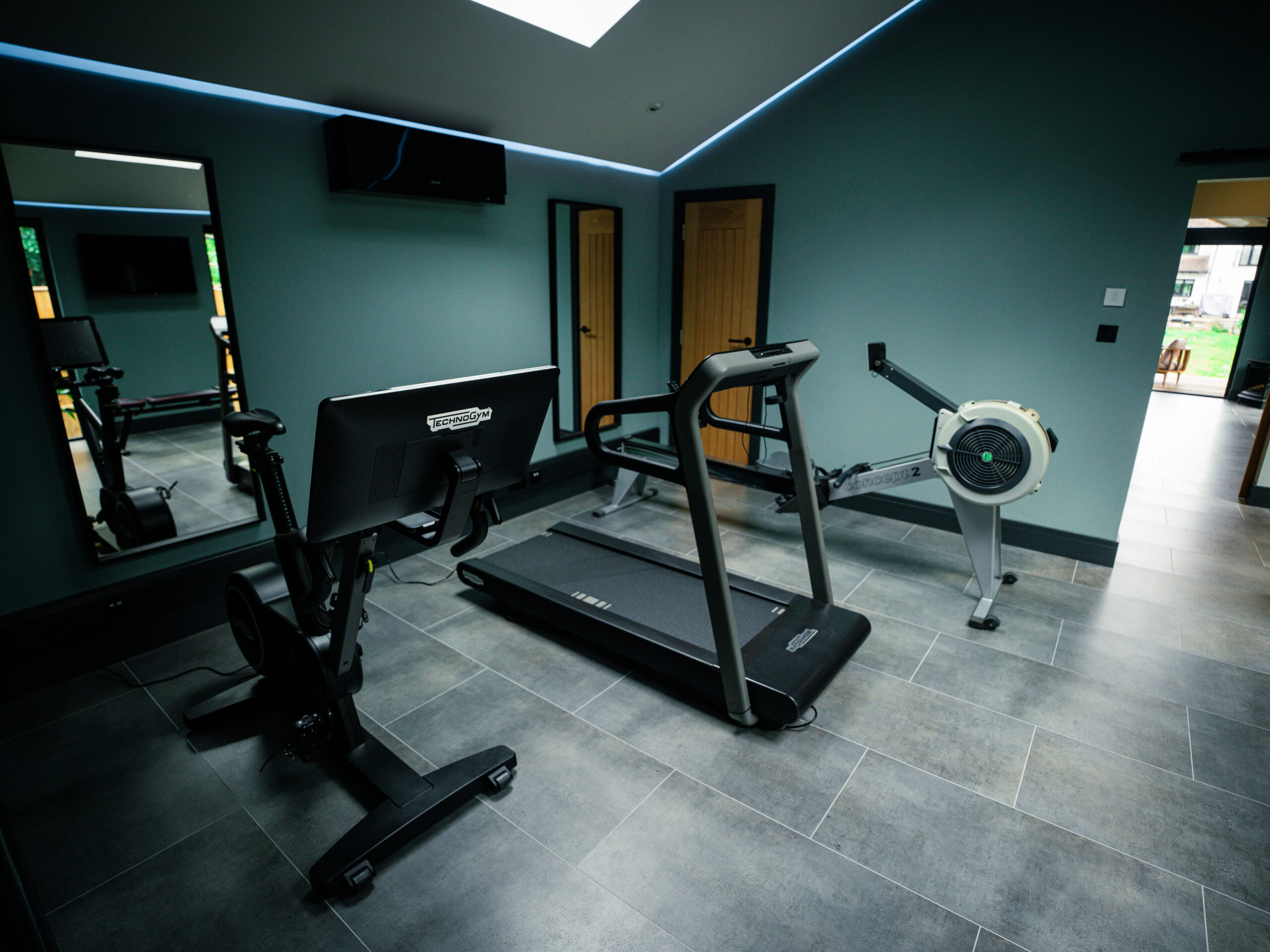
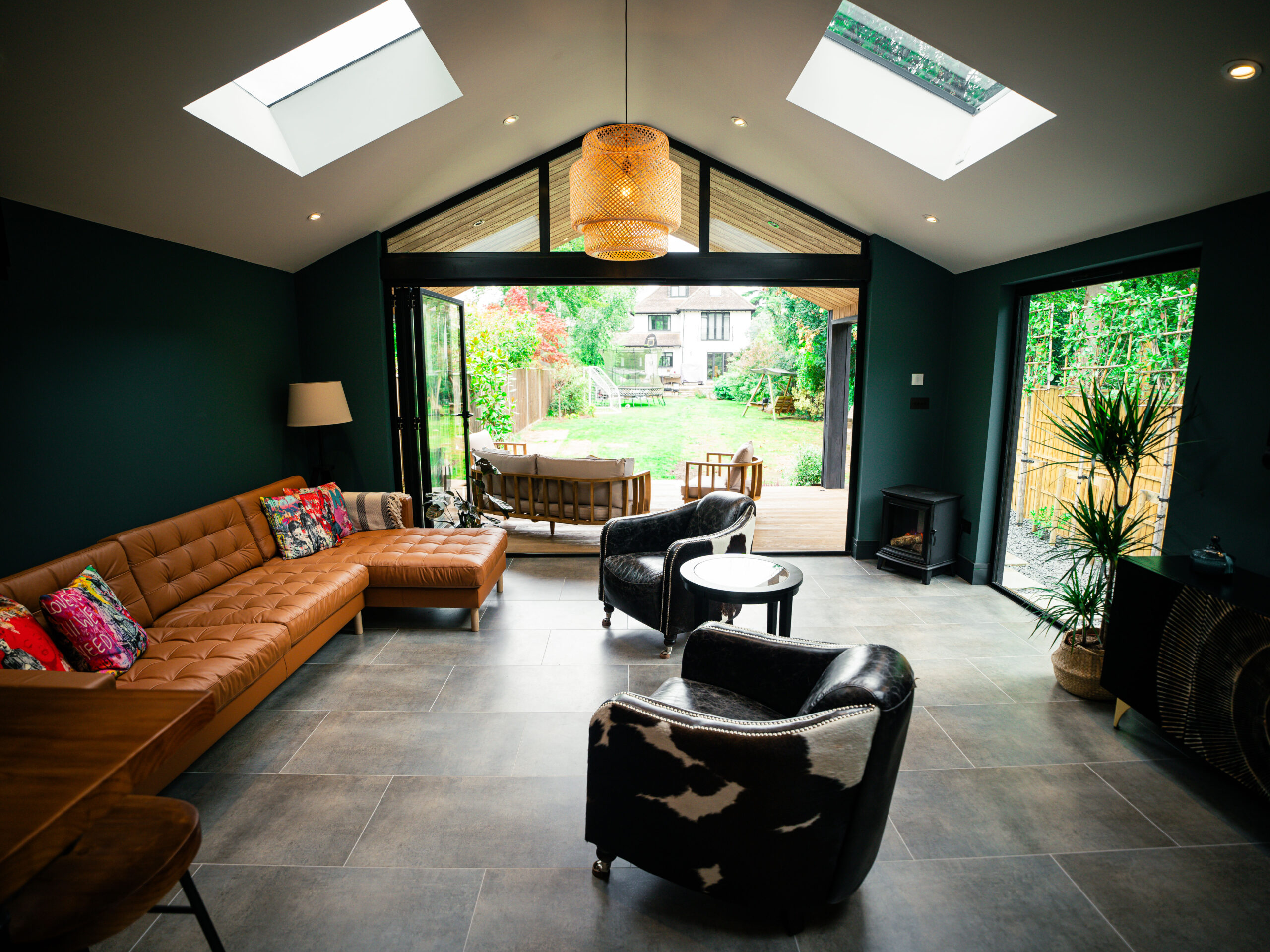
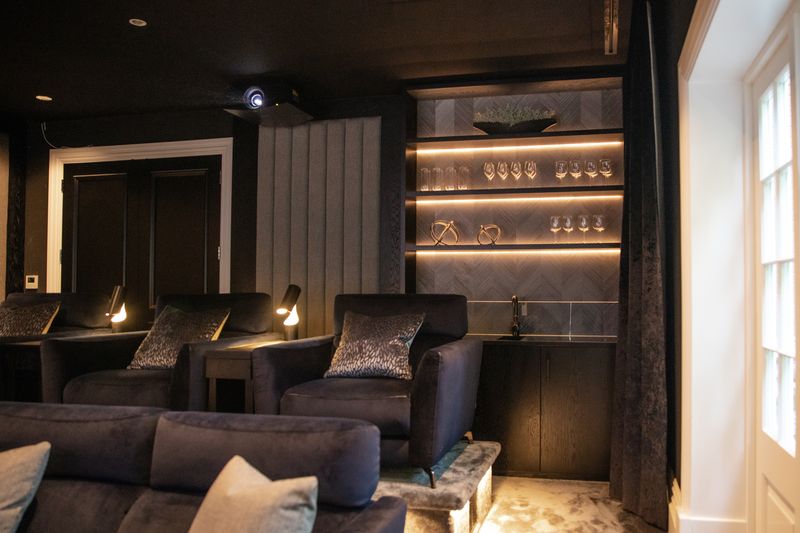
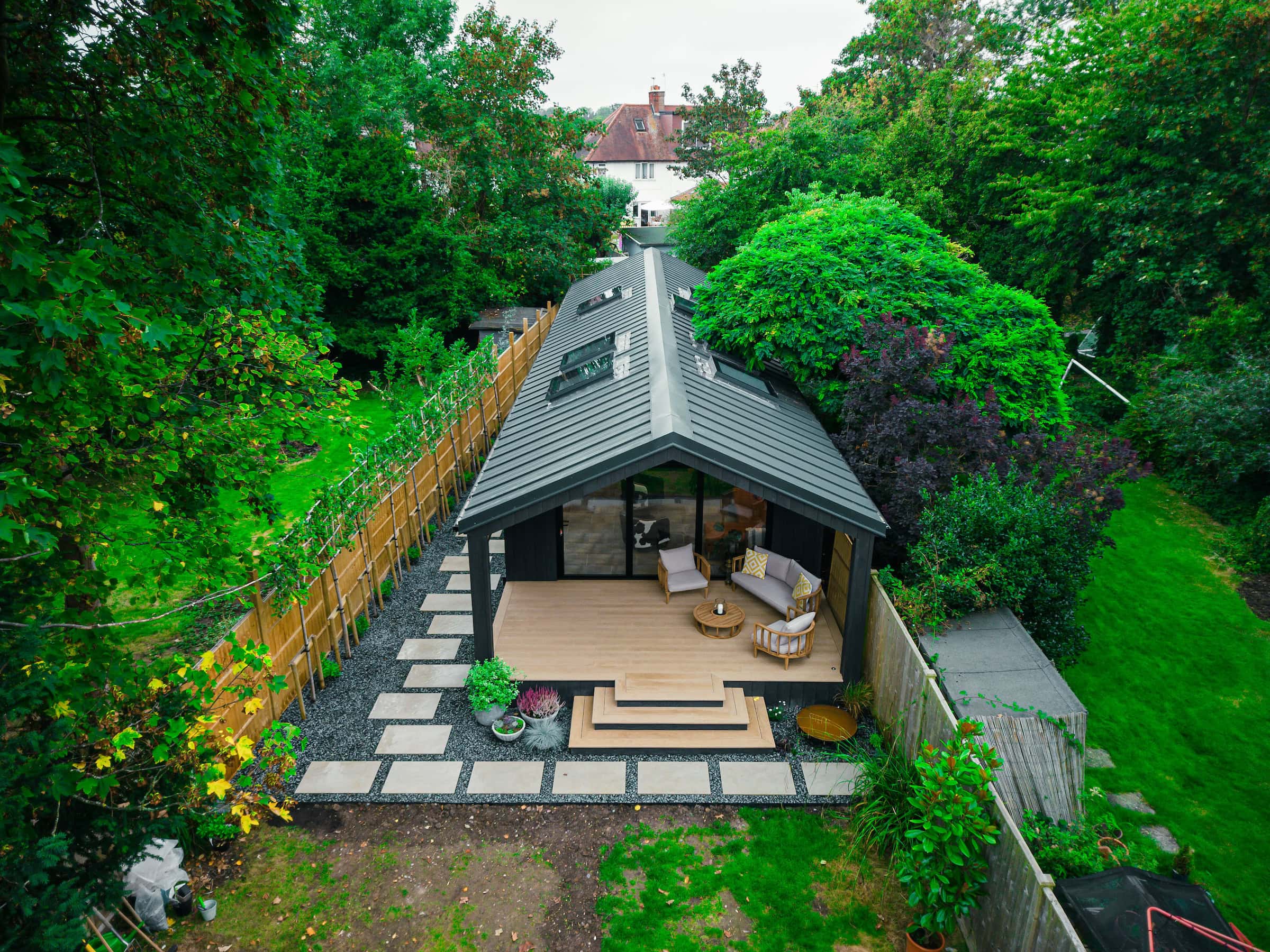
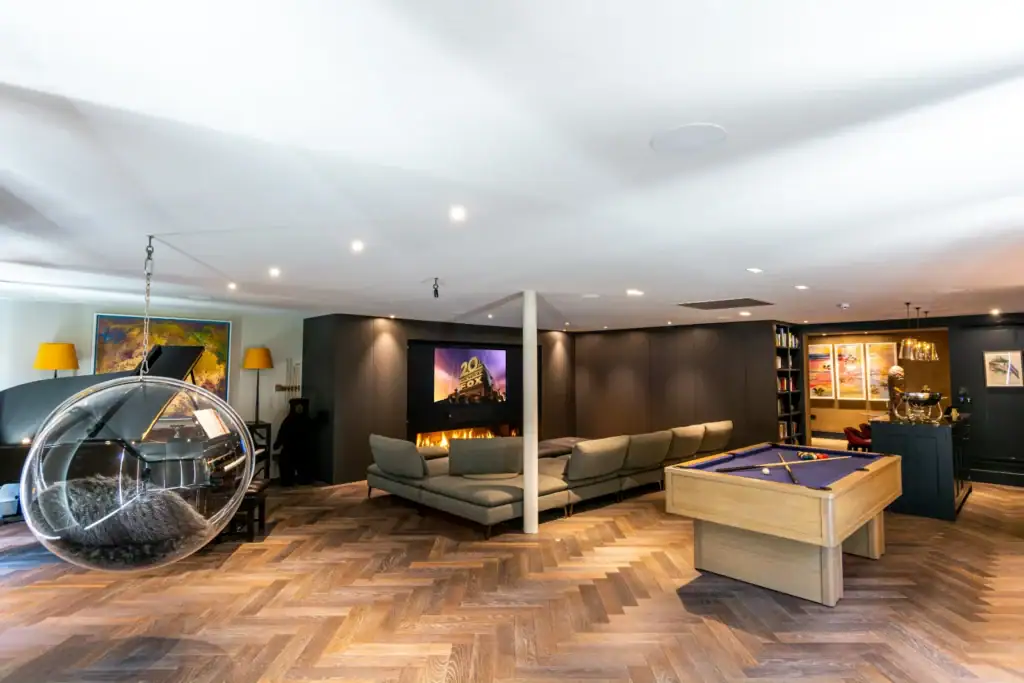
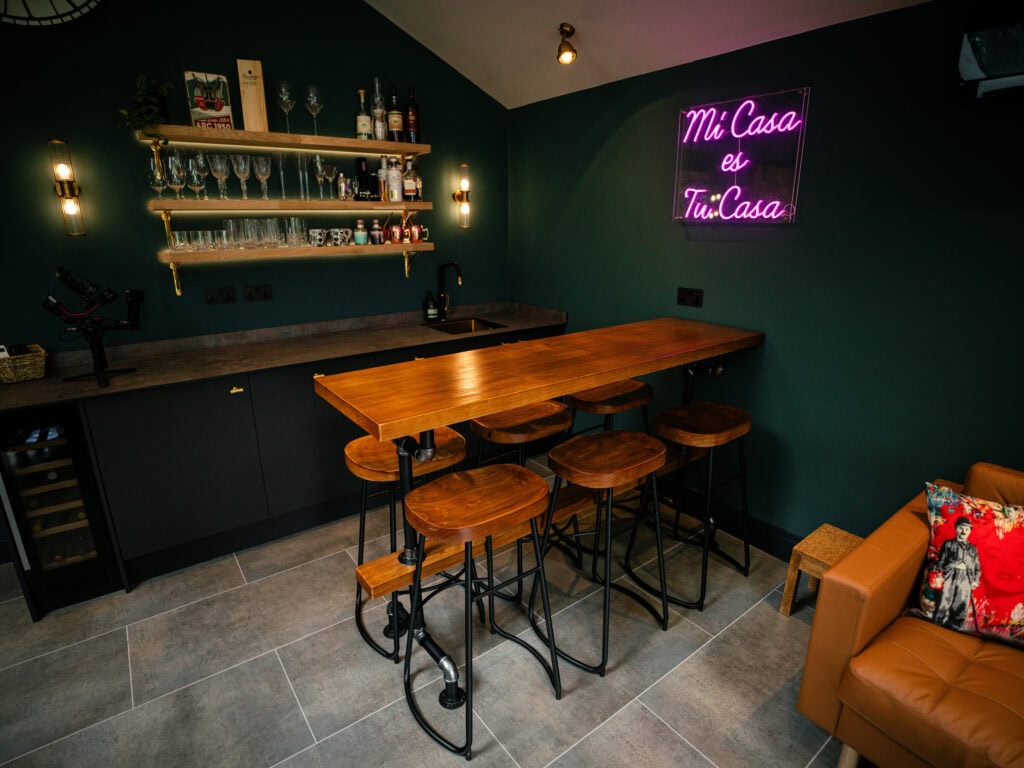
Our published Thames Ditton project shows the kind of problem we enjoy. A family working with Into The Garden Room built a retreat at the end of their garden: a bar and lounge for the adults, with a gym alongside. The building sits more than 70 metres from the main house, which is too far for Wi-Fi from the house to be dependable. So we carried out external groundwork to run a dedicated fibre line from the house, feeding a Ubiquiti network that now gives the whole building fast, stable Wi-Fi.
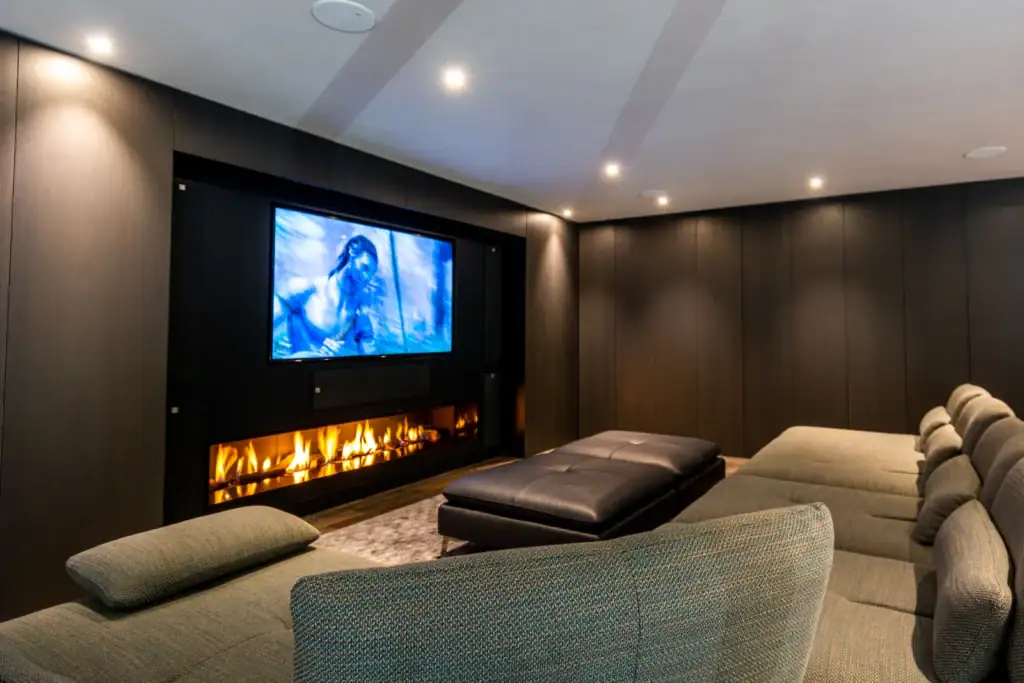
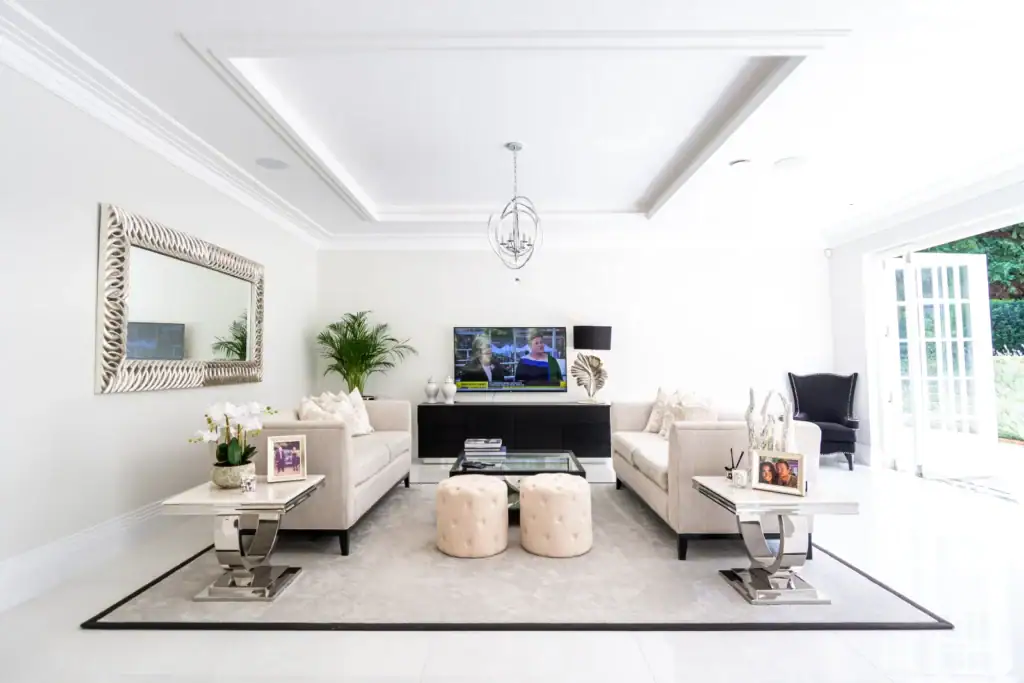
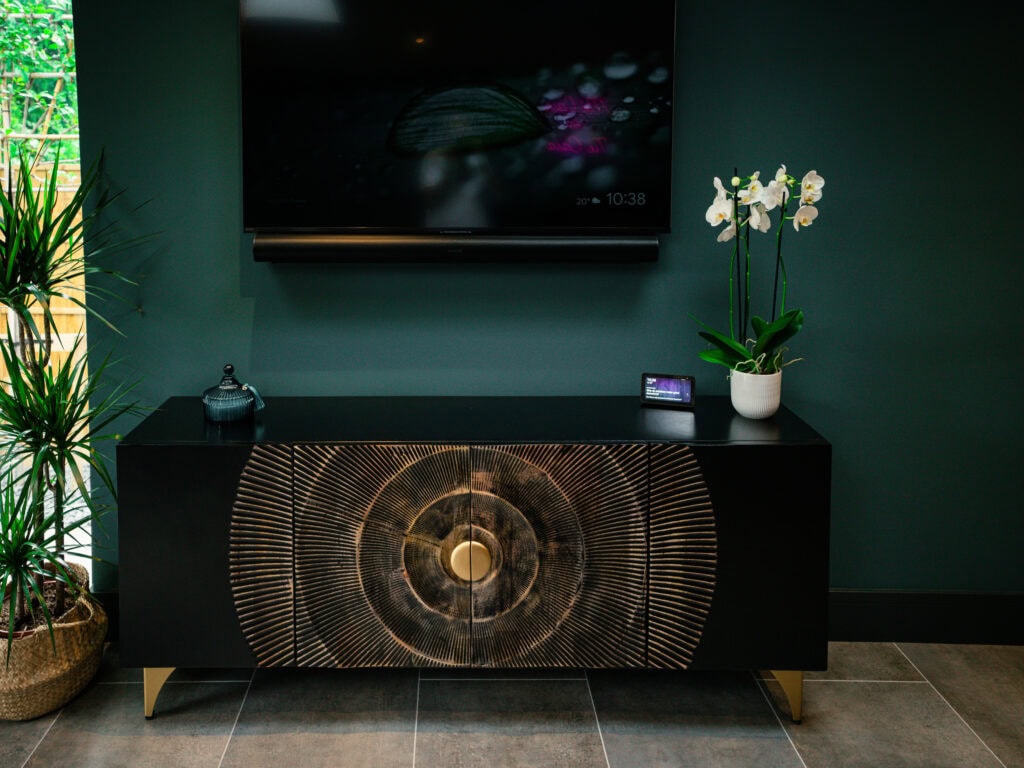
On that backbone we fitted a 65 inch LG OLED with a Sonos Arc in the lounge, and a 48 inch LG OLED with a second Sonos Arc in the gym. The room is used every day, and the clients told us they were "over the moon" with the result. The full write-up is on our Thames Ditton garden room project page.
From our Thames Ditton projectWhat should you decide before a garden room is built?
The lesson from that job applies to any outbuilding: settle the technology before the groundworks, not after the decking goes down. A duct laid across the garden while the base is being dug costs very little; digging up a finished lawn costs a lot more. These are the questions we ask first:
- How far is the building from the house, and what is the cleanest route for a cable duct?
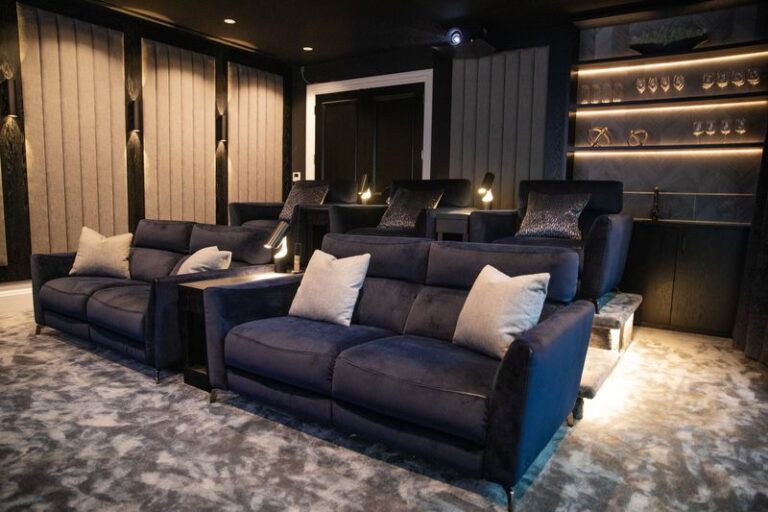
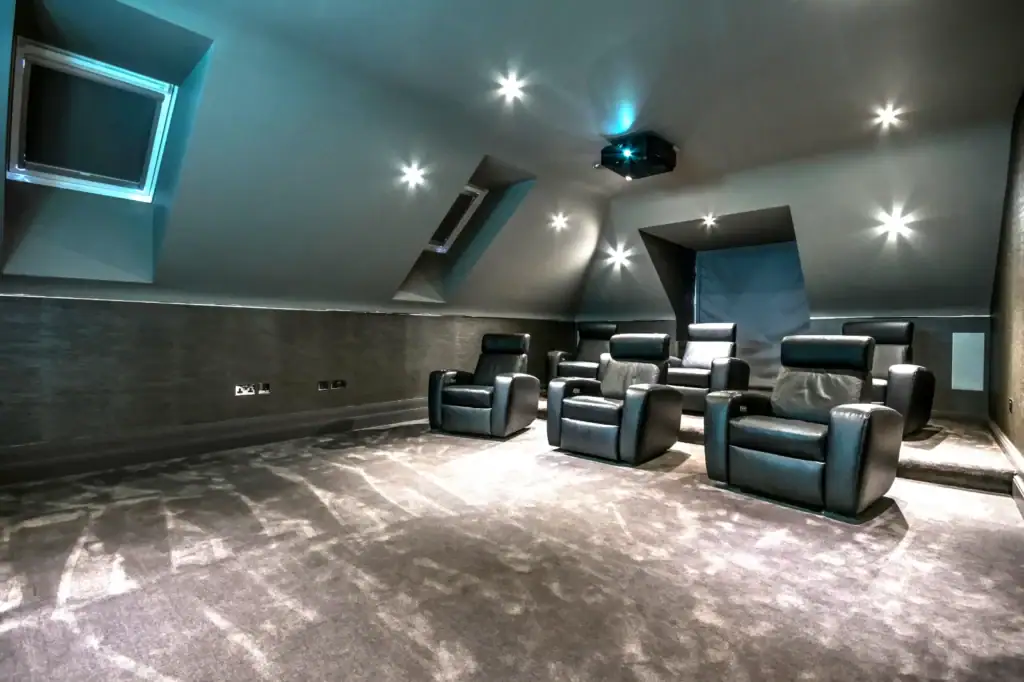
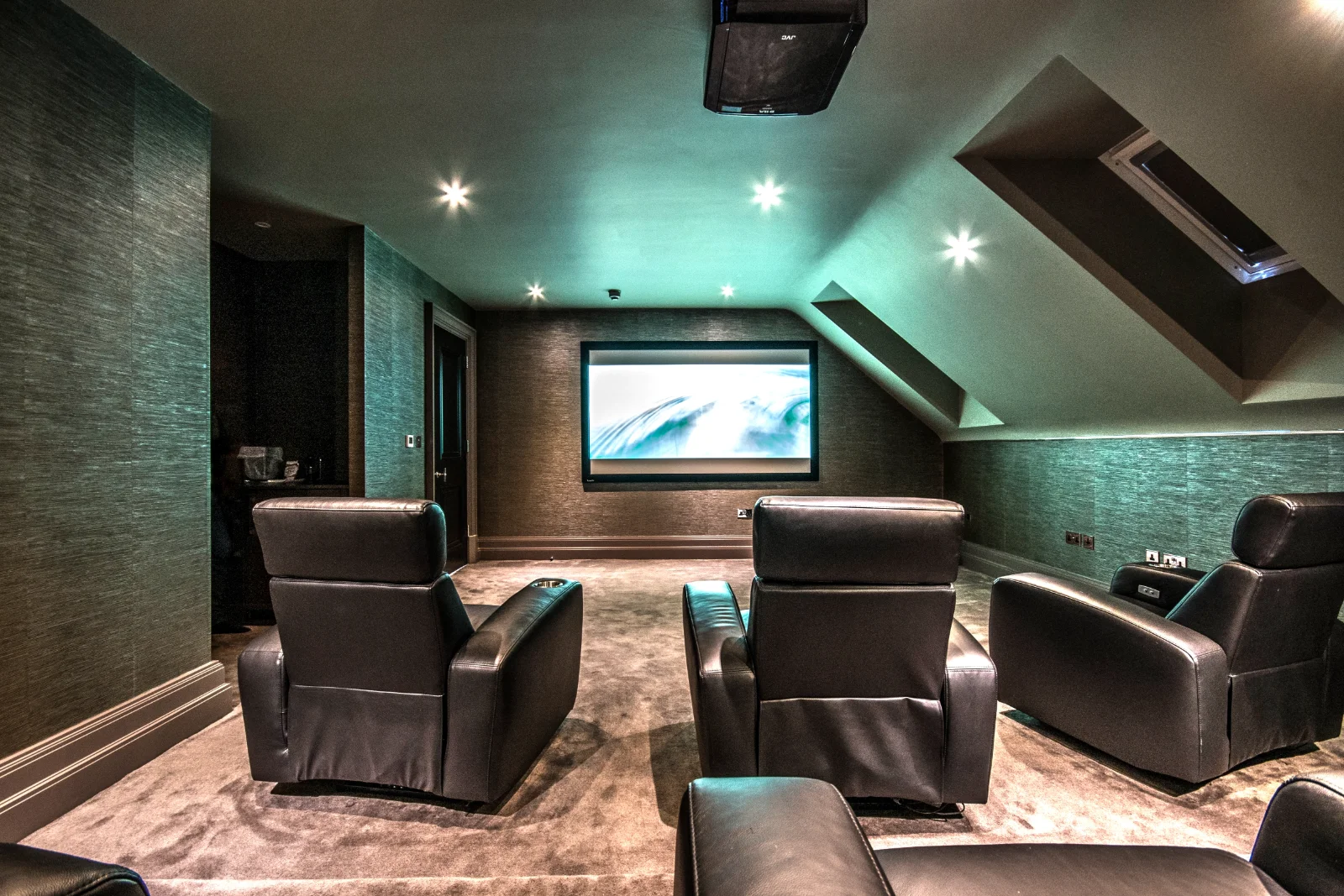
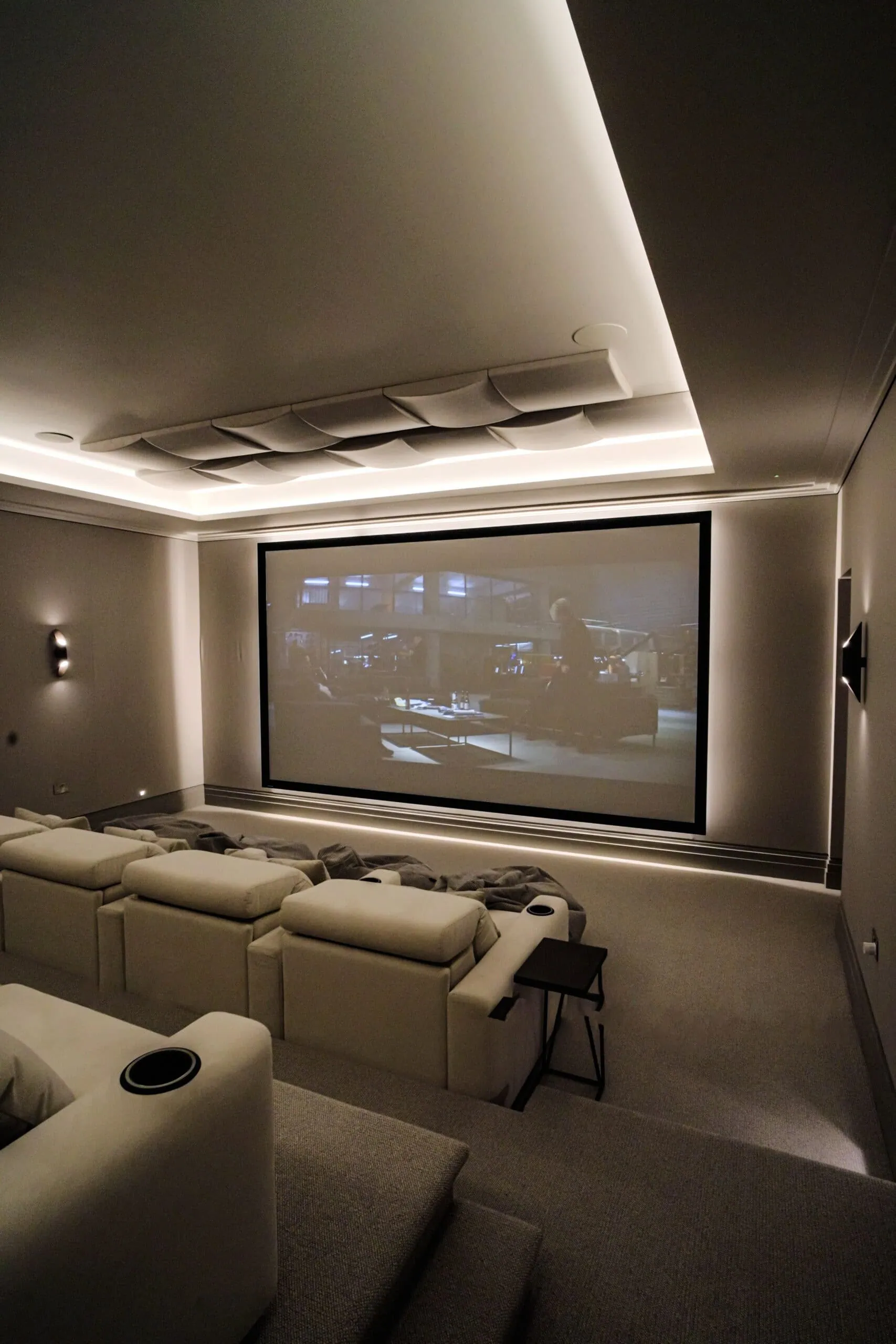
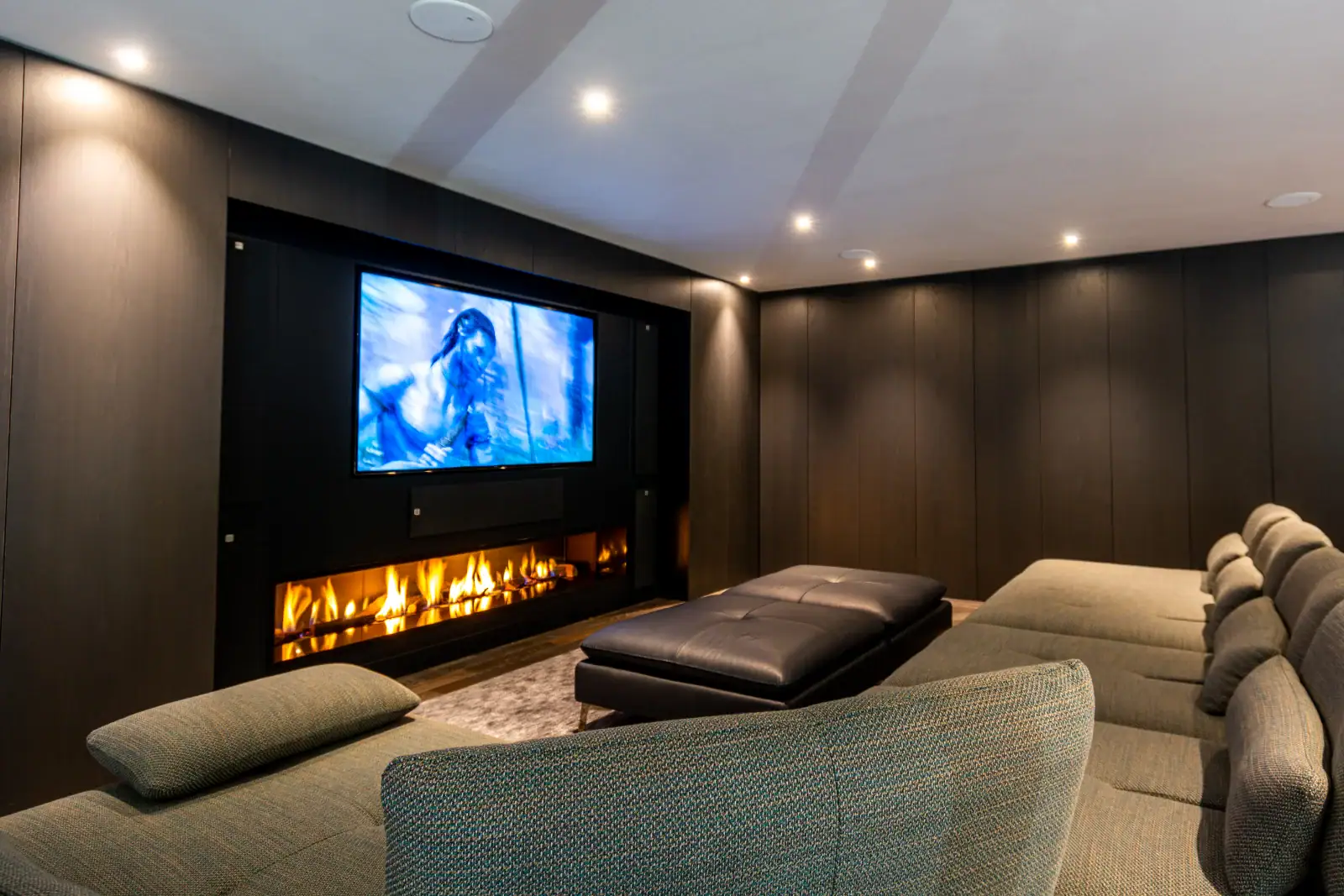
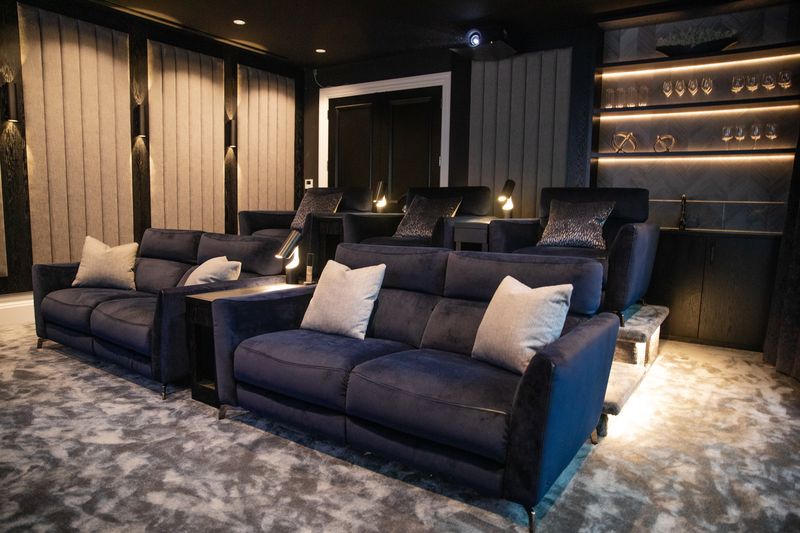
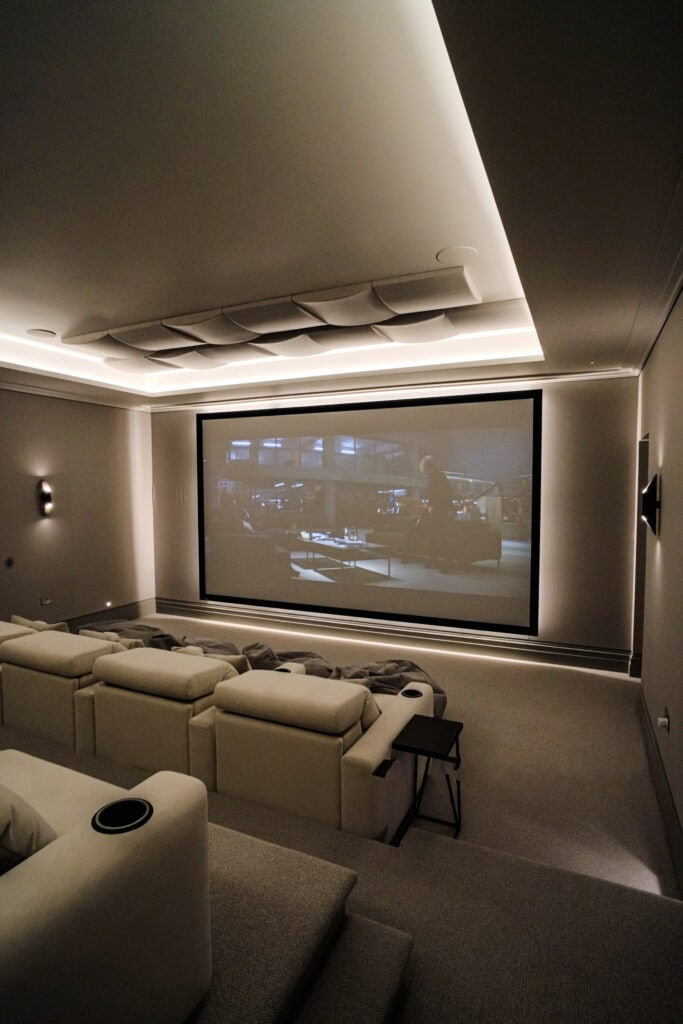
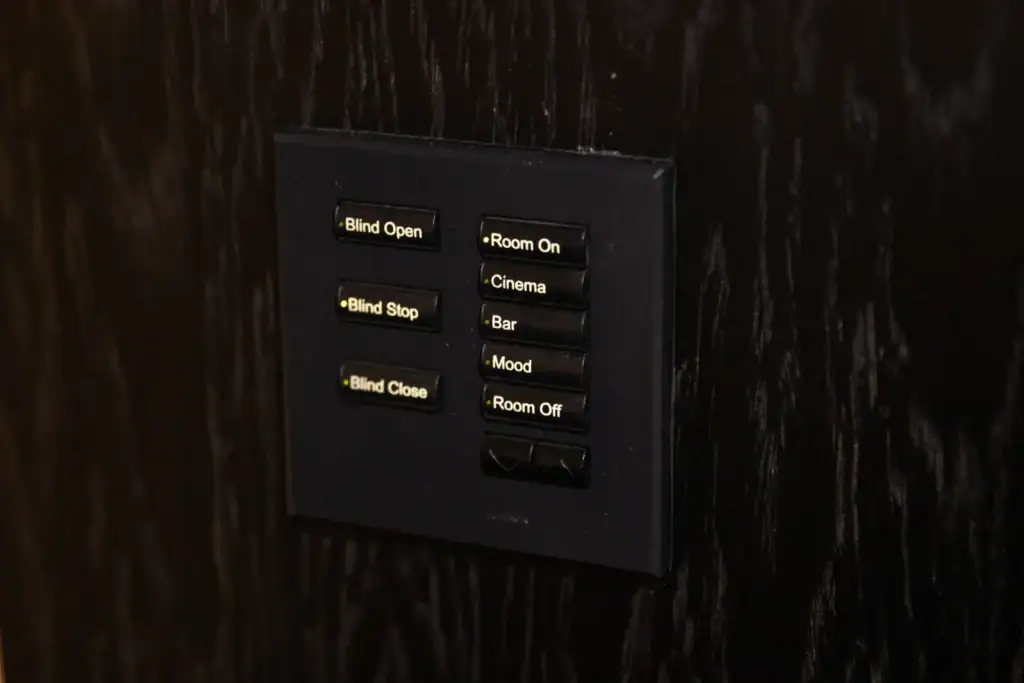
- Will it be a gym, an office, a bar or a cinema? A cinema needs light control and acoustic treatment; an office needs a wired desk point.
- Do you want music or a screen outside too, on the terrace or deck?
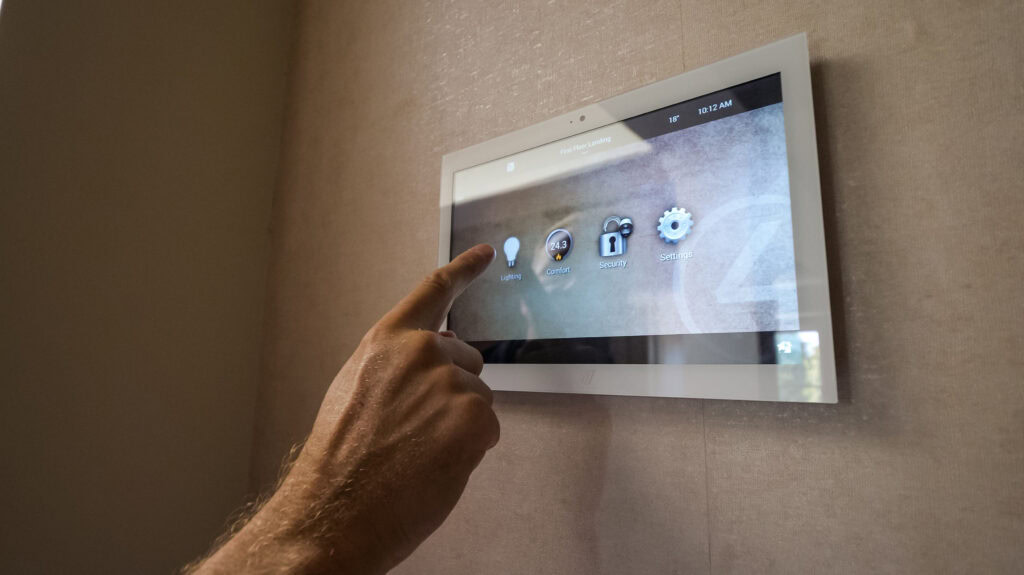
- Should it join the house system, so one app runs the lights, music and screens in both?
If the answer to the last question is yes, the garden room simply becomes another zone of your multi-room AV system. For weatherproof screens and speakers on the terrace, see outdoor AV. One client who had a Samsung Terrace TV installed by us described the result as "making our outdoor space feel like a true outdoor entertainment area" (Scott Atkinson, Google review). The network behind all of it is covered on our data and Wi-Fi networks page.
From our Thames Ditton projectConservation areas and the river: what should you check in Thames Ditton?
The historic heart of the village is protected. Elmbridge Borough Council looks after two conservation areas here, Thames Ditton and Giggs Hill Green, both first designated in 1973. The Thames Ditton area takes in the Grade I listed Church of St Nicholas, which dates from the 13th century, and the Grade II* listed former Home of Compassion. Giggs Hill Green keeps the character of a traditional village green, lined with modest buildings from the 18th century onwards. Weston Green, next door, has a conservation area of its own.
Inside the house, conservation area status rarely changes how we build a cinema or a lighting system. Outside, it can. An aerial or dish on a wall or roof slope facing the road is one example of work that needs permission in a conservation area. If your garden room is still on the drawing board, ask Elmbridge Borough Council how its size and position will be treated before you commit.
The village also sits on the Thames, with Thames Ditton Island in the river itself, and western parts of Thames Ditton flooded in 1968 when the Ember and the Mole burst their banks. If you are near the water, check your address on the gov.uk long term flood risk service. We will keep the core equipment, and any garden room network cabinet, clear of the lowest ground where the plot allows.
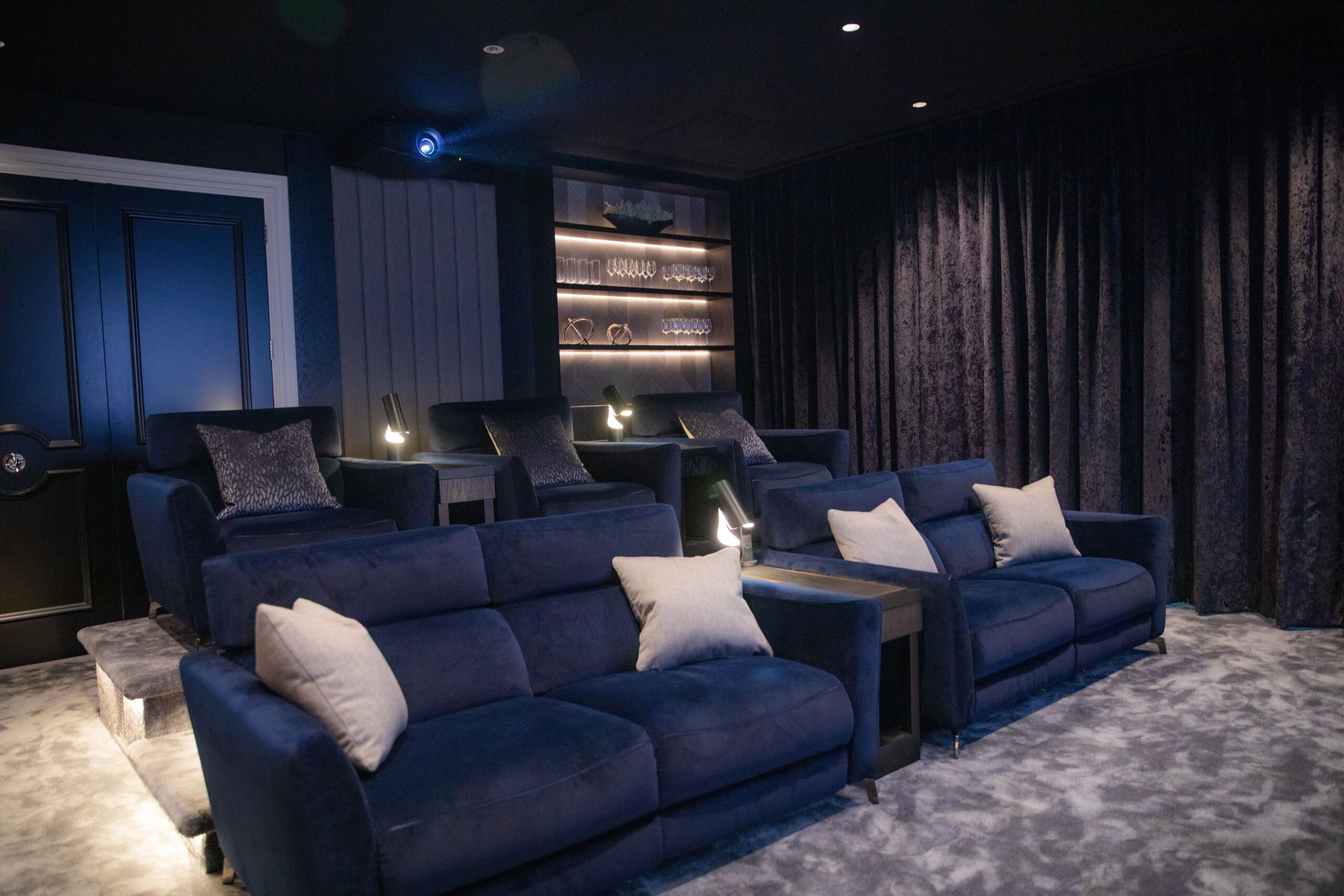
Our demonstration cinema in Walton-on-ThamesClose enough to call in
Thames Ditton is about 2.6 miles in a straight line from our showroom, which makes a visit to the demonstration cinema easy before you decide anything. We are a Platinum Control4 dealer, winner of the Control4 Circle of Excellence award in 2023, 2024 and 2025, and specialists in Lutron lighting control, and our own maintenance team supports every system after handover. Book a free design consultation and bring your garden room drawings, or book a showroom visit.