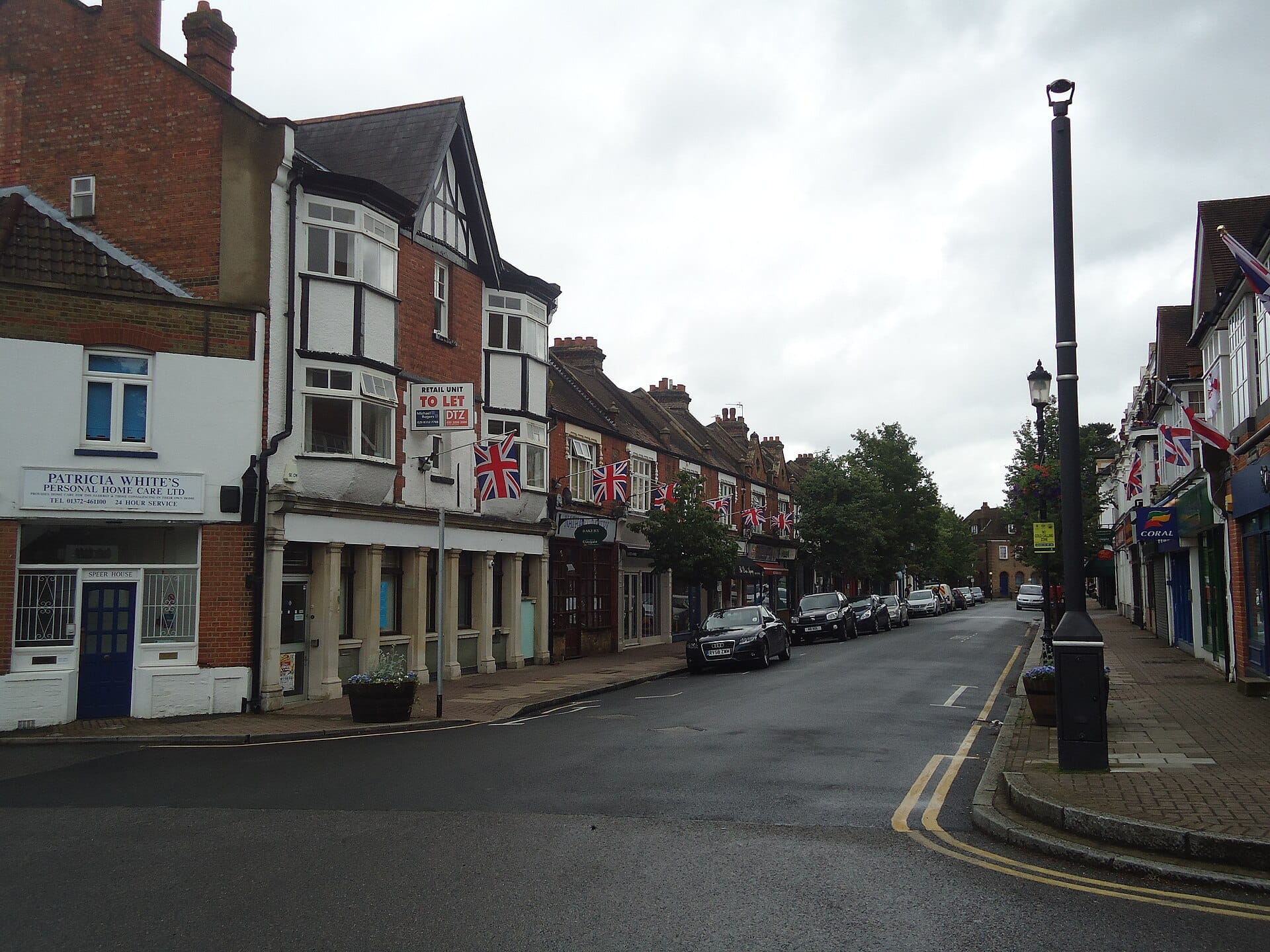

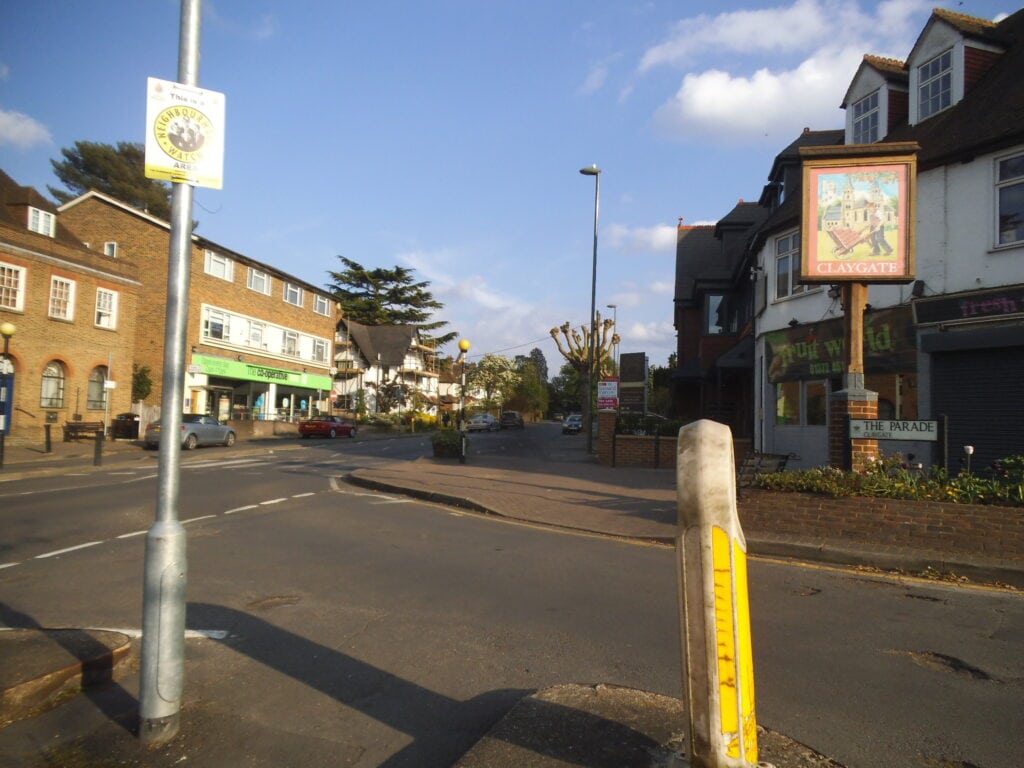
 The centre of Claygate with the village sign at The Parade. Photo: David Howard, CC BY-SA 2.0
What do Claygate's houses ask of the technology?
Claygate's shape was set by the railway. The station opened in 1885, and in the same year the Hon Fitzalan Foley divided land into 258 plots, most of which were built on by the end of the century. That is now the Foley Estate conservation area: large detached and semi-detached Victorian and Edwardian houses, many with decorative Arts and Crafts detailing. Around The Green, the Claygate Village conservation area protects what survives of the original village centre, including the Grade II listed Holy Trinity Church. Further out, the Ruxley estate and the roads south of the station hold some very large houses.
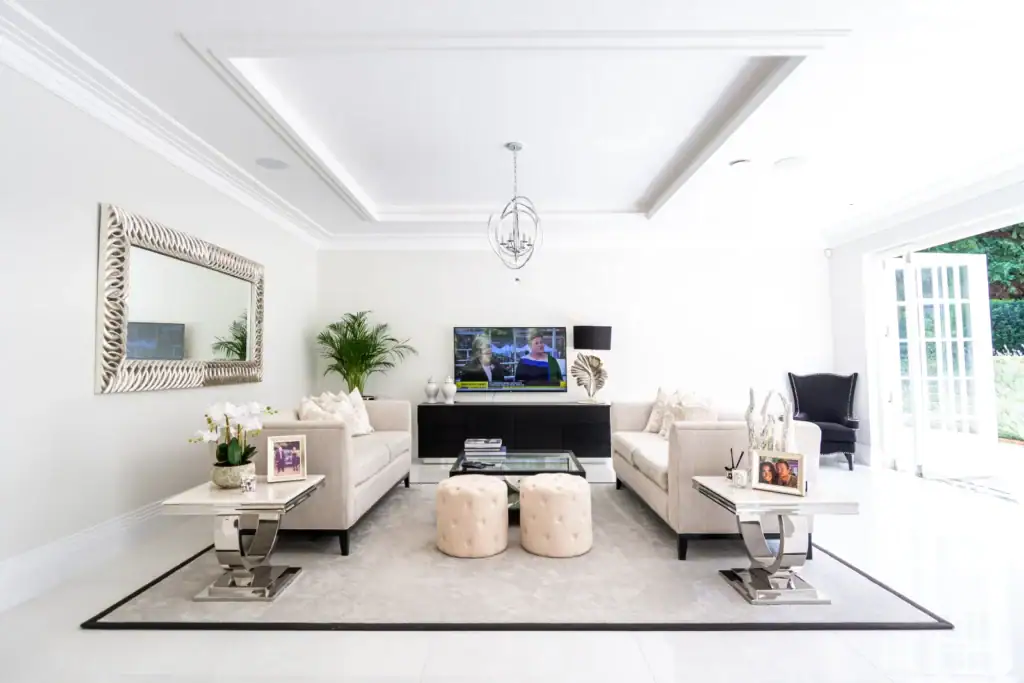
Houses like these have cornicing, panelled doors, fireplaces and original joinery worth keeping. The job is to add modern picture, sound and control without any of it shouting for attention.
From our Esher projectWhy does lighting control come first in a period house?
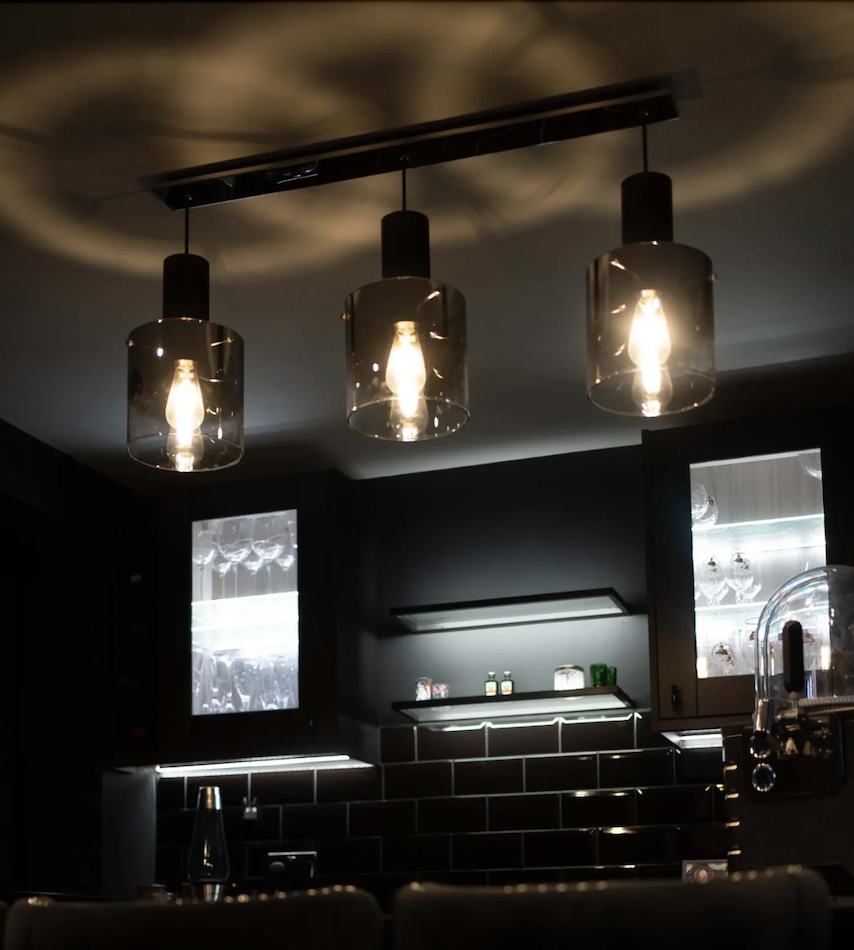
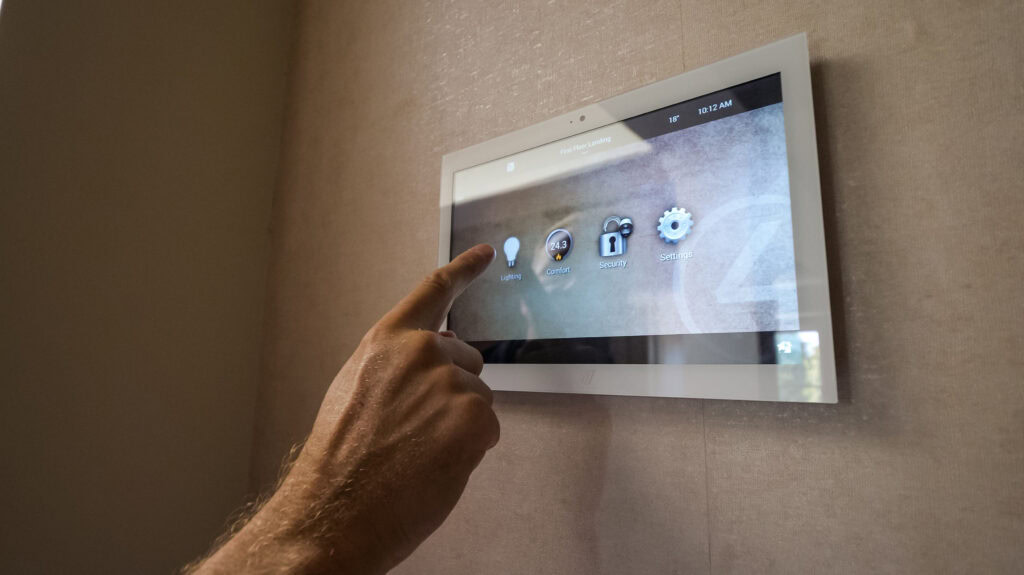
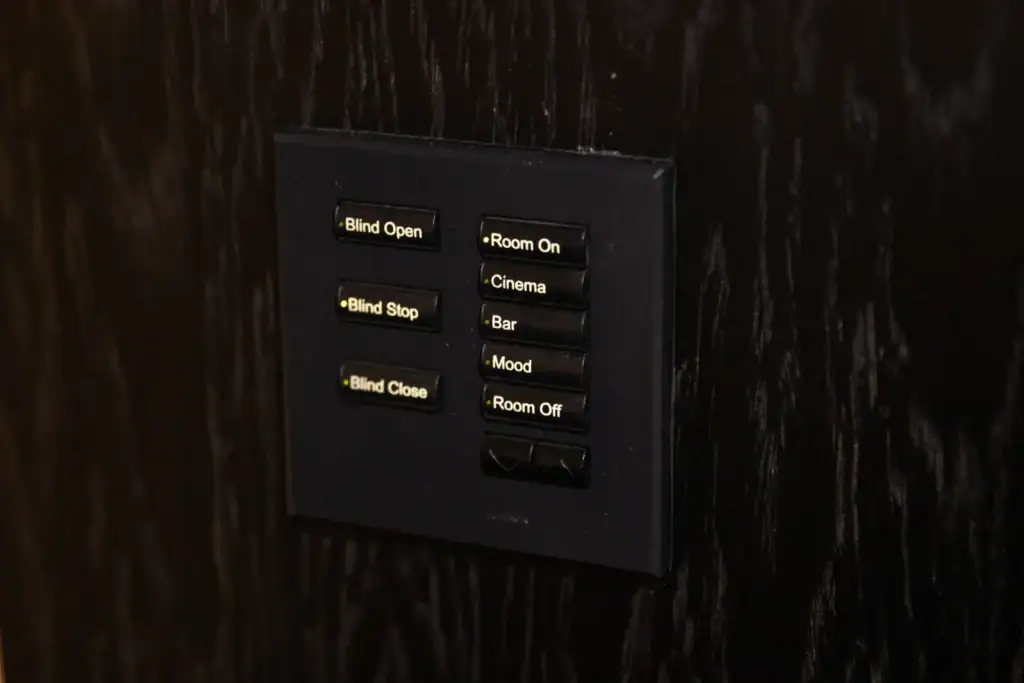
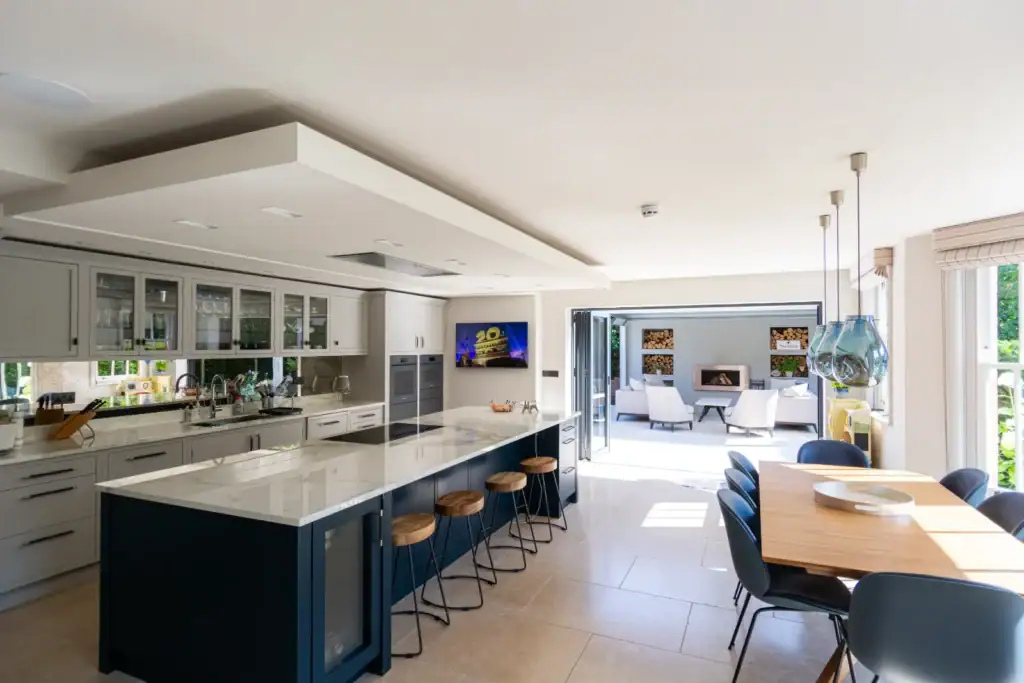
In a Claygate period house, the technology you notice most day to day is lighting. A row of four or five dimmers by each door is untidy; one keypad with labelled scenes such as Evening, Dinner and Goodnight is not. Lutron lighting control gives you that, and wireless Lutron systems retrofit cleanly without chasing walls, which matters when the plaster is original. Automated blinds and curtains can share the same keypads, so one press dims the sitting room and closes the curtains together. Our lighting and shading page covers the wider options, including Rako.
Where you are redecorating or extending anyway, we wire what we can, because a wired system gives the widest choice of keypads and fittings. Where you are not, wireless keeps the disruption to a minimum.
From our Esher projectCan you hide a cinema inside a period house?
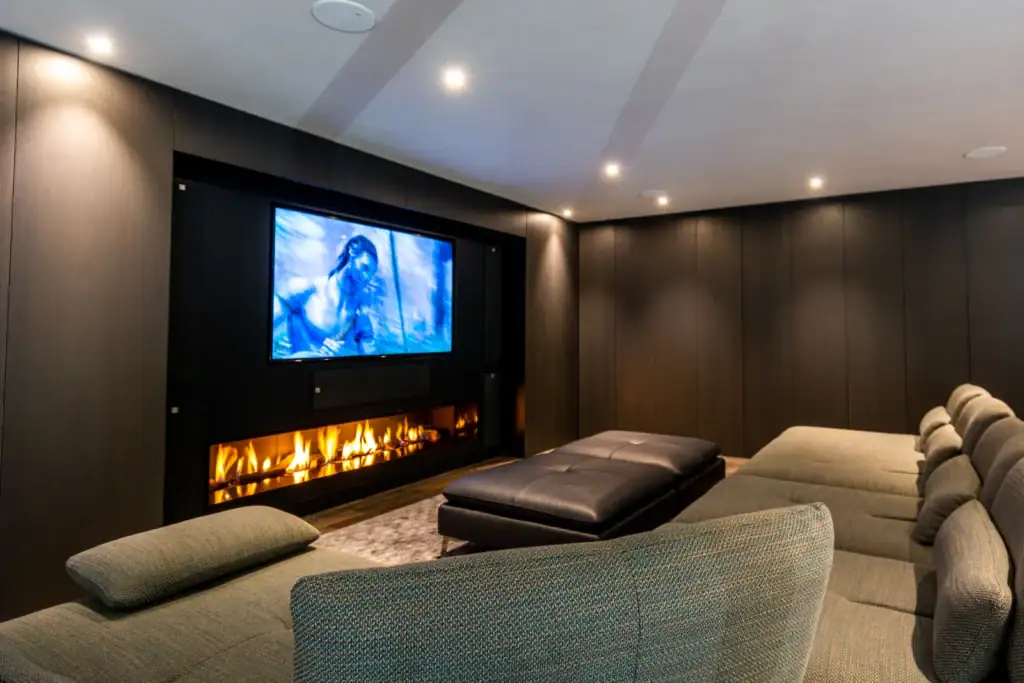
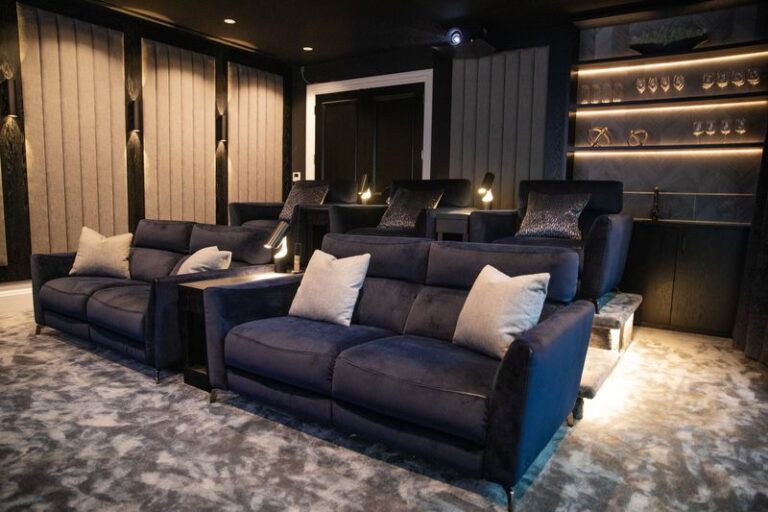
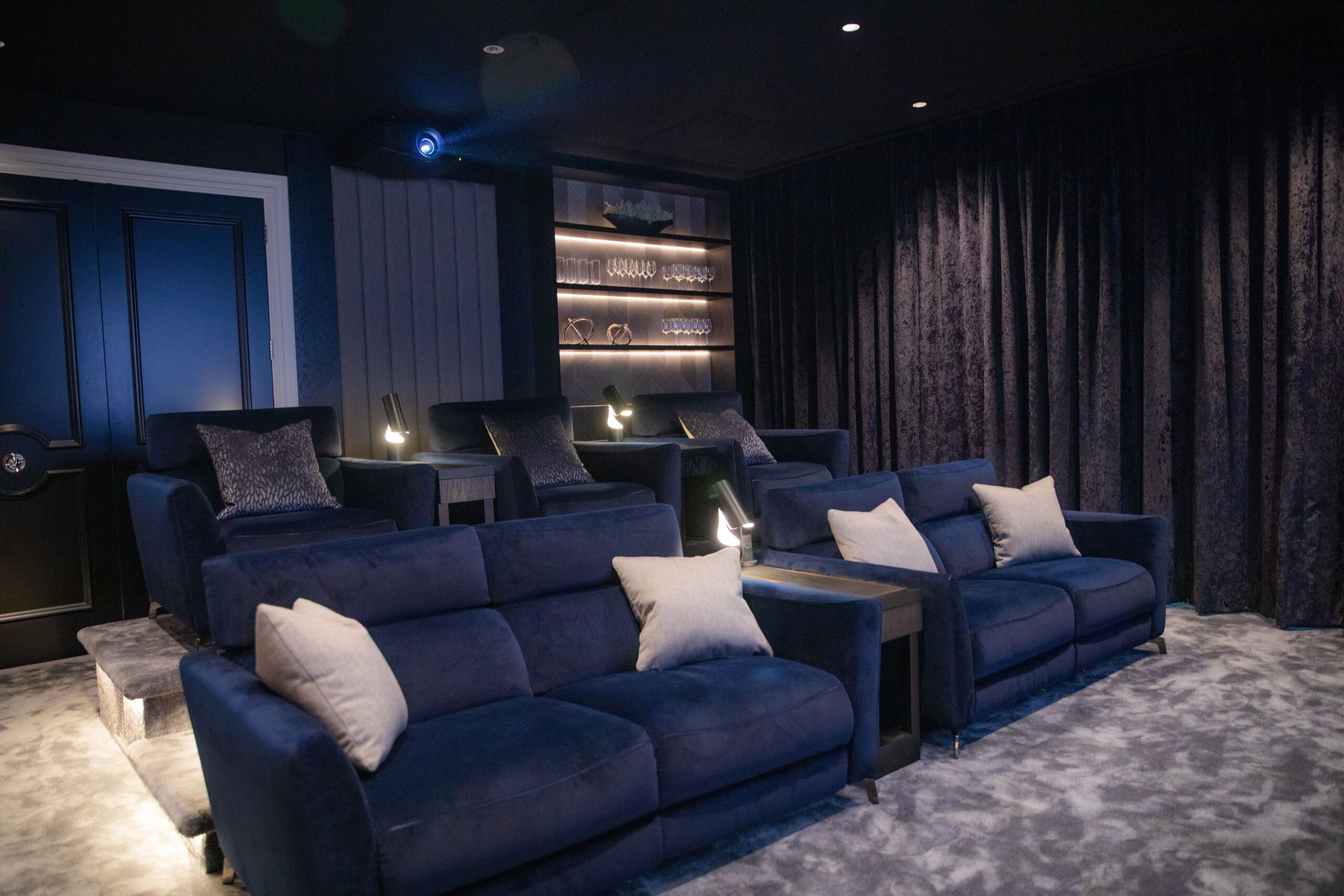
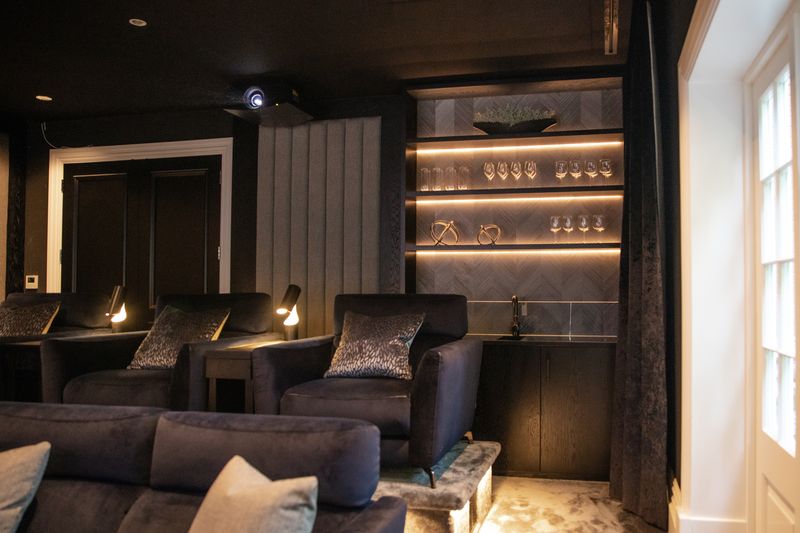
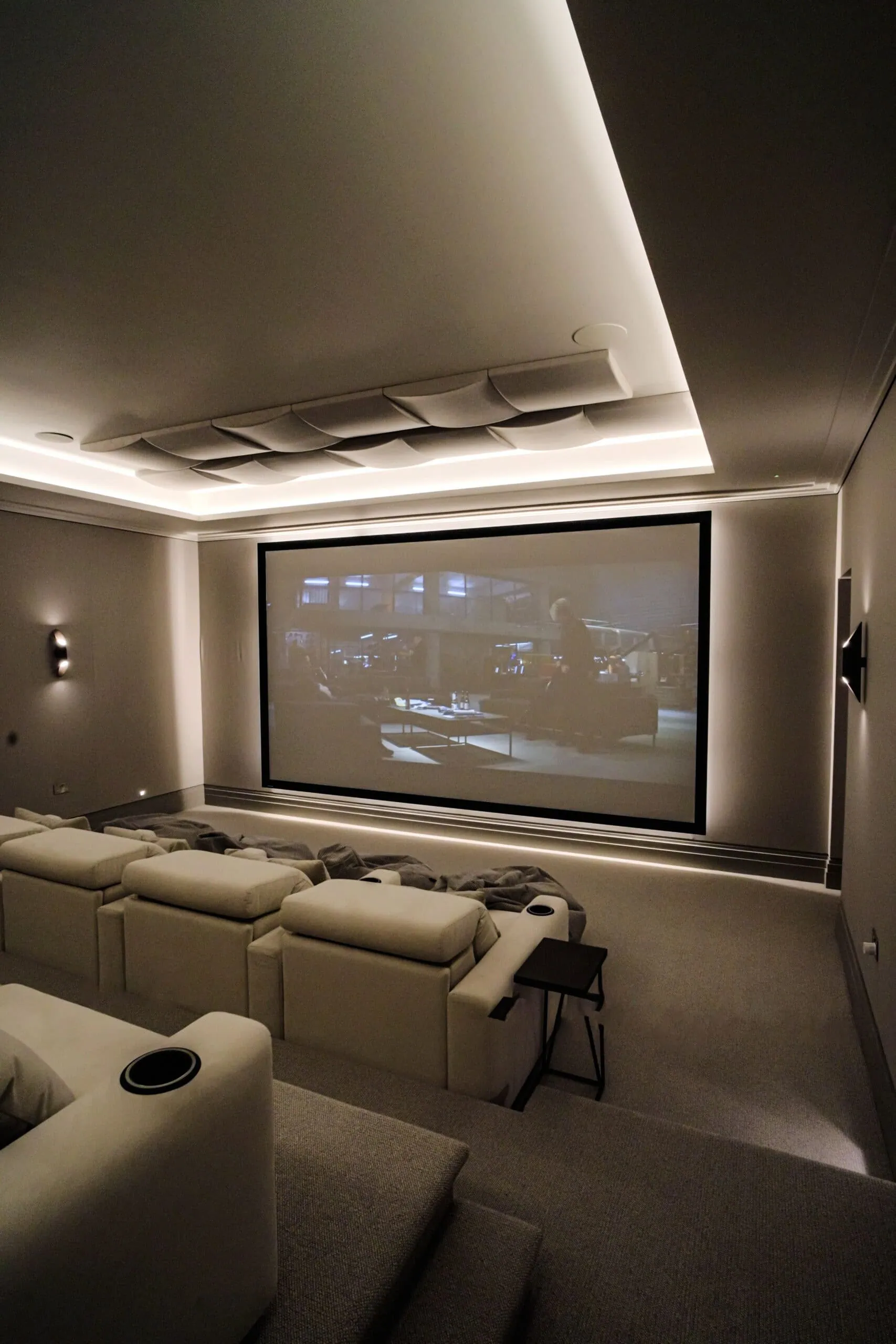
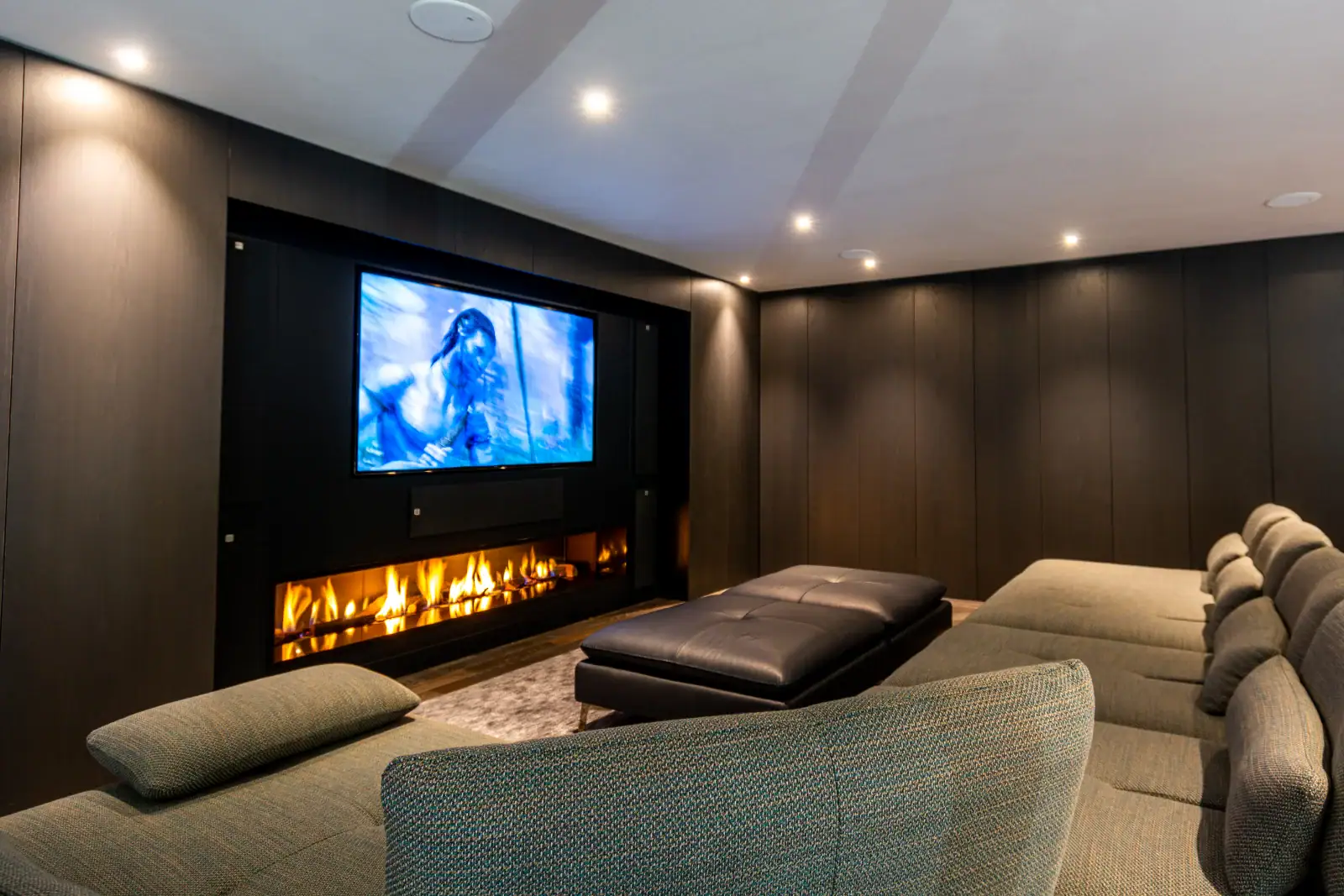
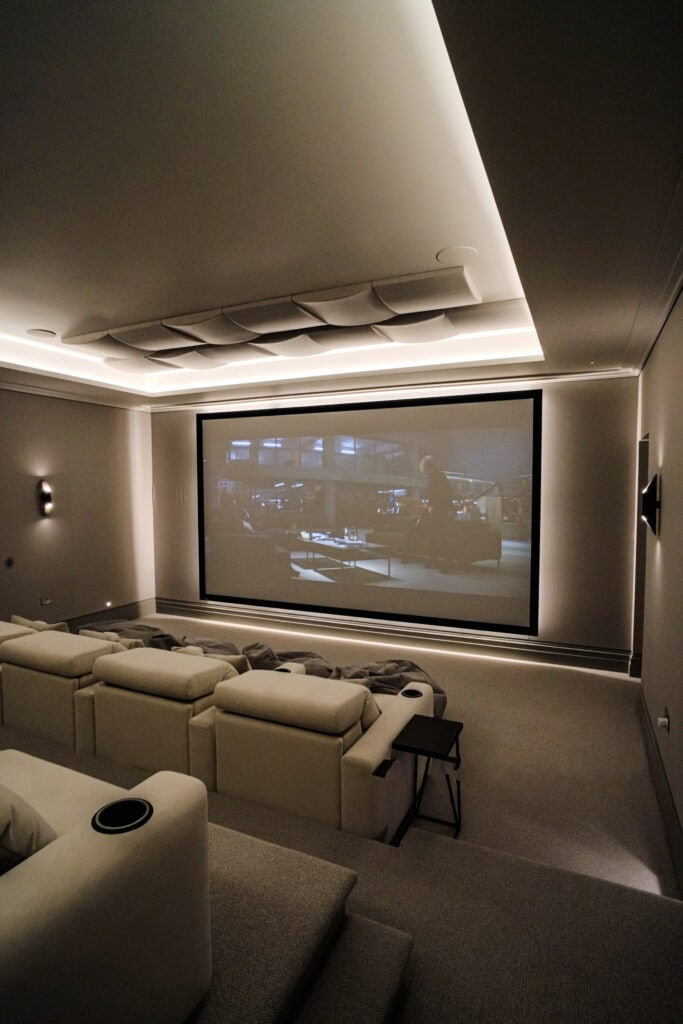
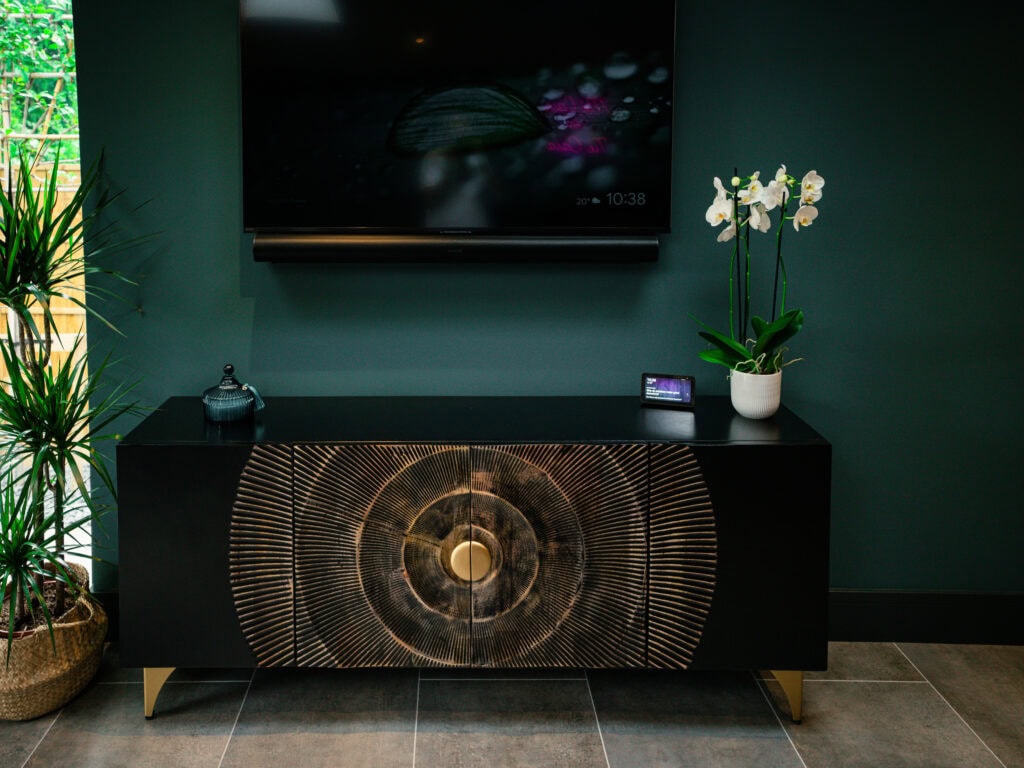
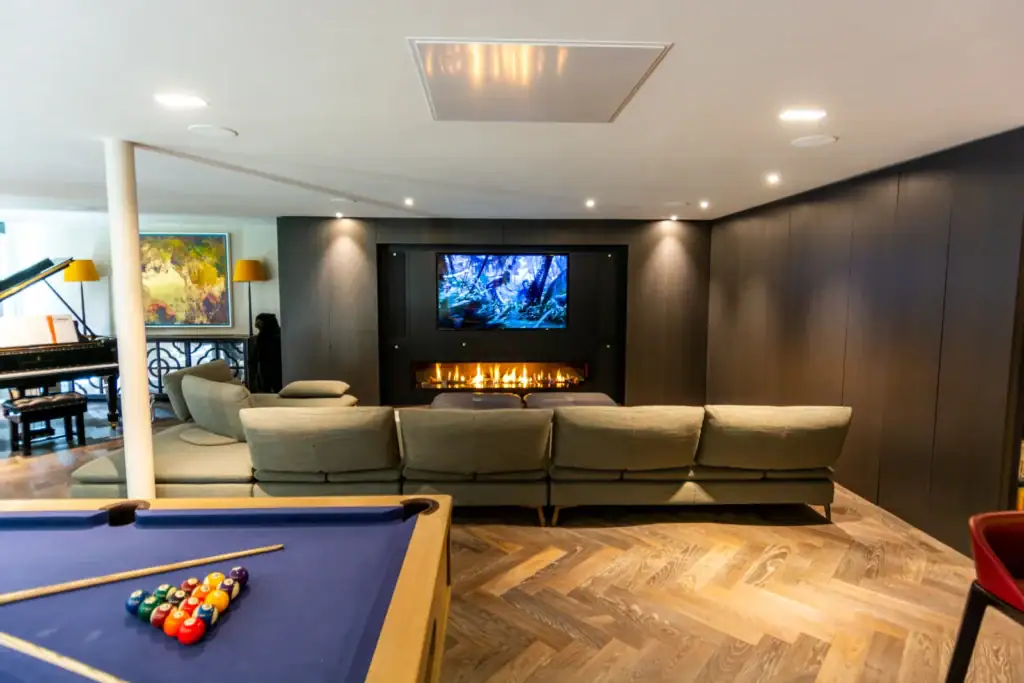
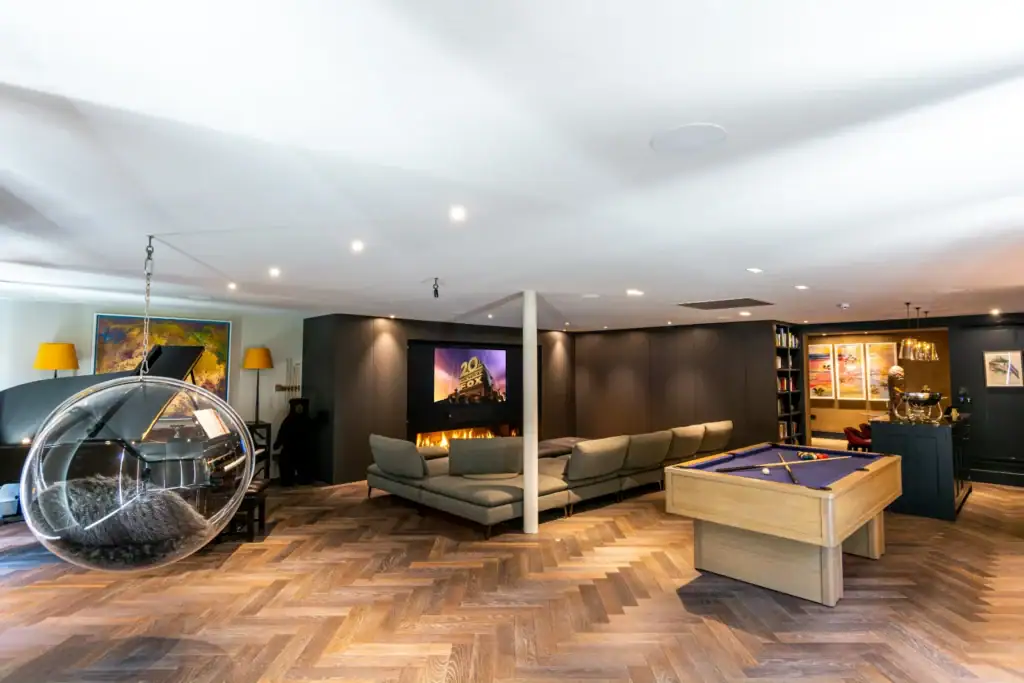
Yes. It is a design problem rather than an equipment one. The approach we use most is an acoustically transparent screen with the front speakers behind it, in-ceiling speakers behind discreet grilles, and the equipment rack in a cupboard or under the stairs. For a family room that has to stay a sitting room, a concealed projector and motorised screen can come down from the ceiling only when you want a film. Our nearest published project, a versatile entertainment and cinema room in Esher, works exactly that way: an 85 inch TV for every day, and a 120 inch screen that appears at one touch.
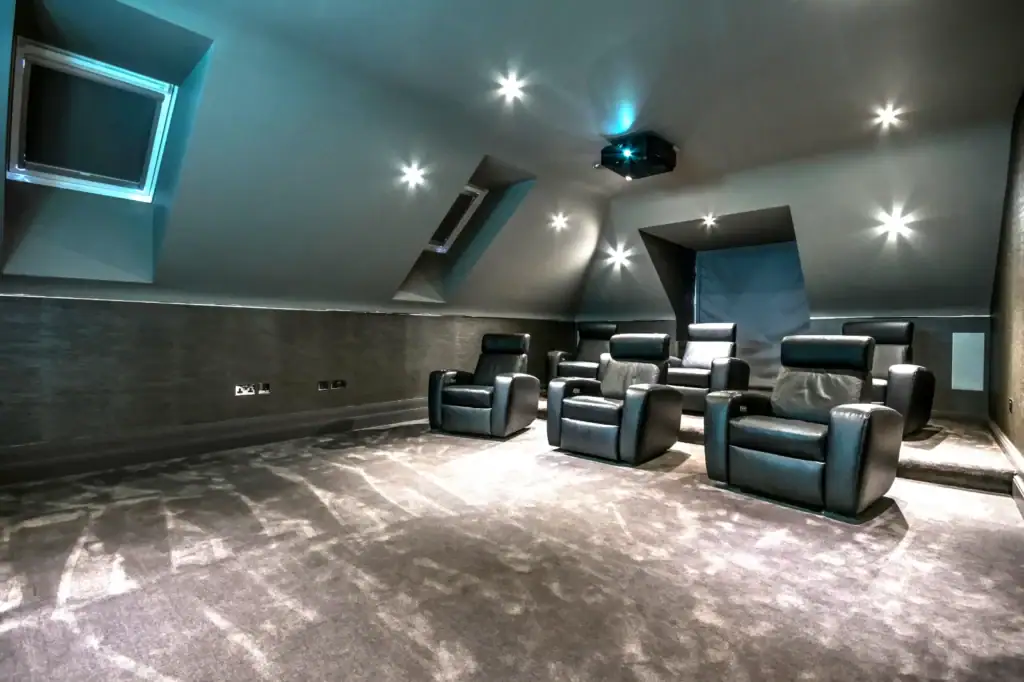
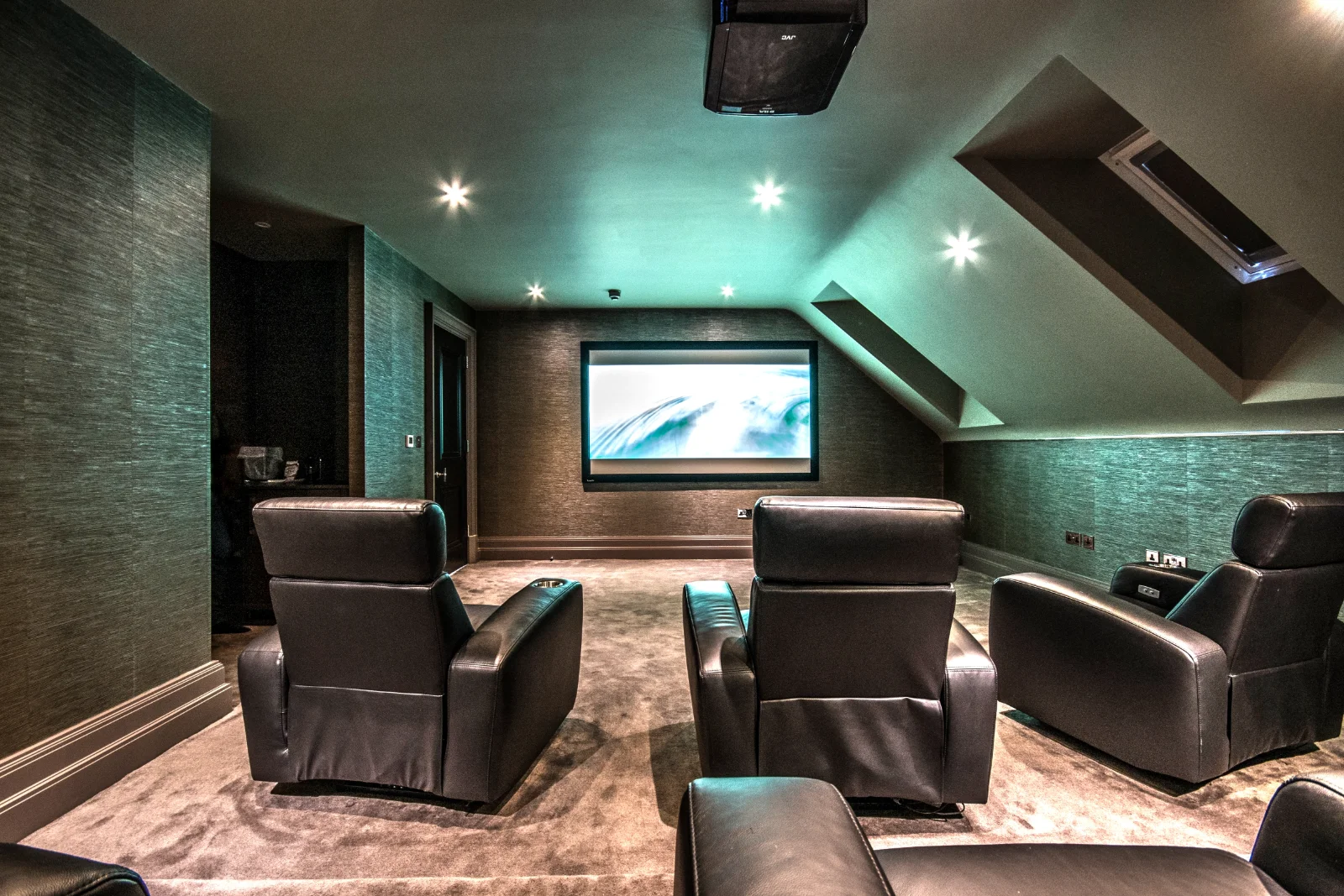
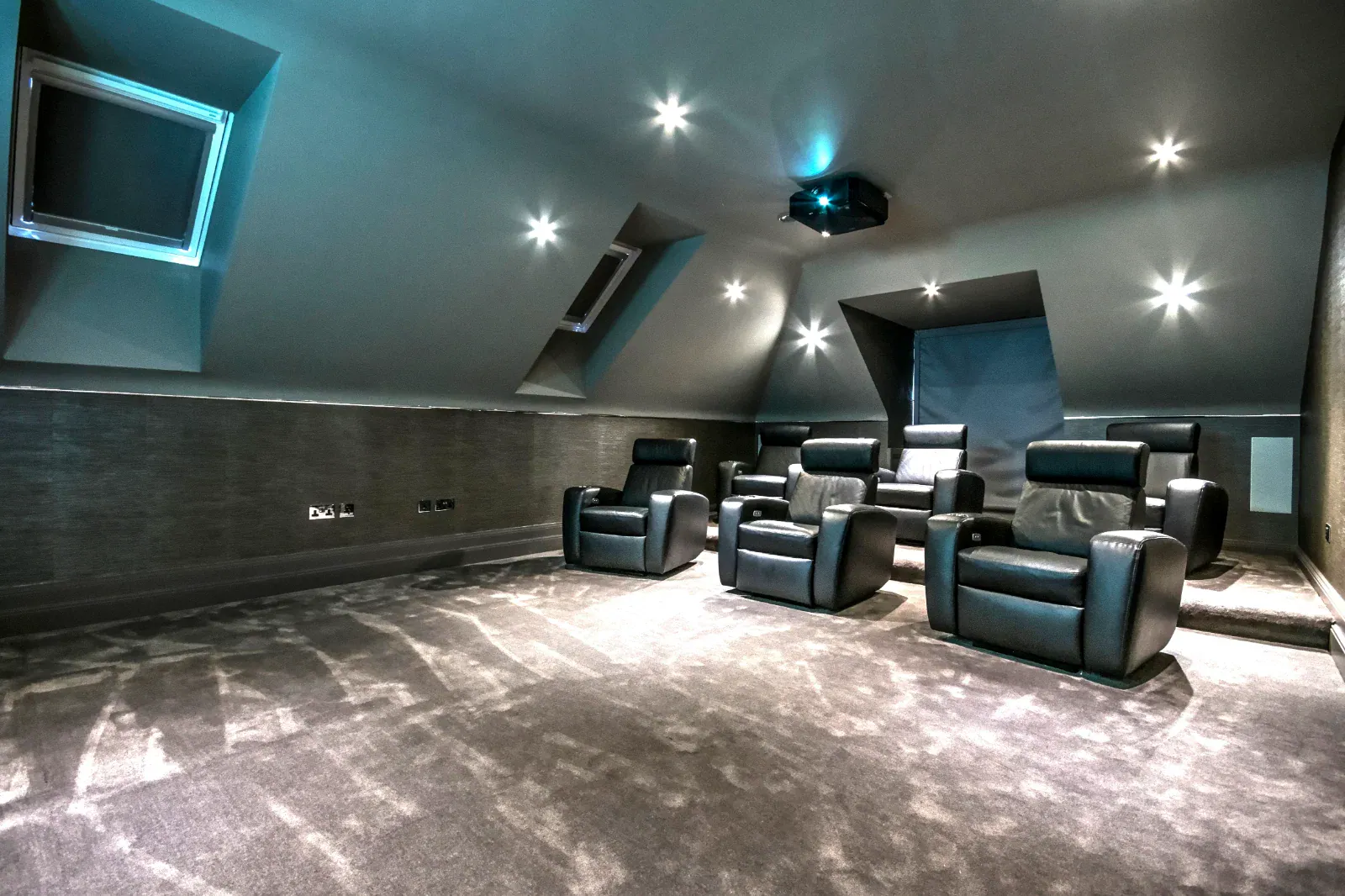
Loft conversions are the other common route in Victorian and Edwardian houses. A sloped ceiling changes where the speakers and projector can go, which is where proper home cinema design earns its keep. Fraser Robson, whose period home in West London we worked on, wrote in a Google review that "the cinema set-up is beautifully hidden within the period features, yet performs to an exceptional standard."
From our Esher projectConservation areas and Green Belt: what should you check first?
Most of the work above happens indoors. In the Foley Estate and Claygate Village conservation areas, the outside of the house is where the rules tighten: an aerial or dish on a chimney, wall or roof slope that faces a road needs planning permission, for example. If your house is listed, listed building consent can cover internal features as well as external ones. Elmbridge Borough Council's heritage team is the right first call.
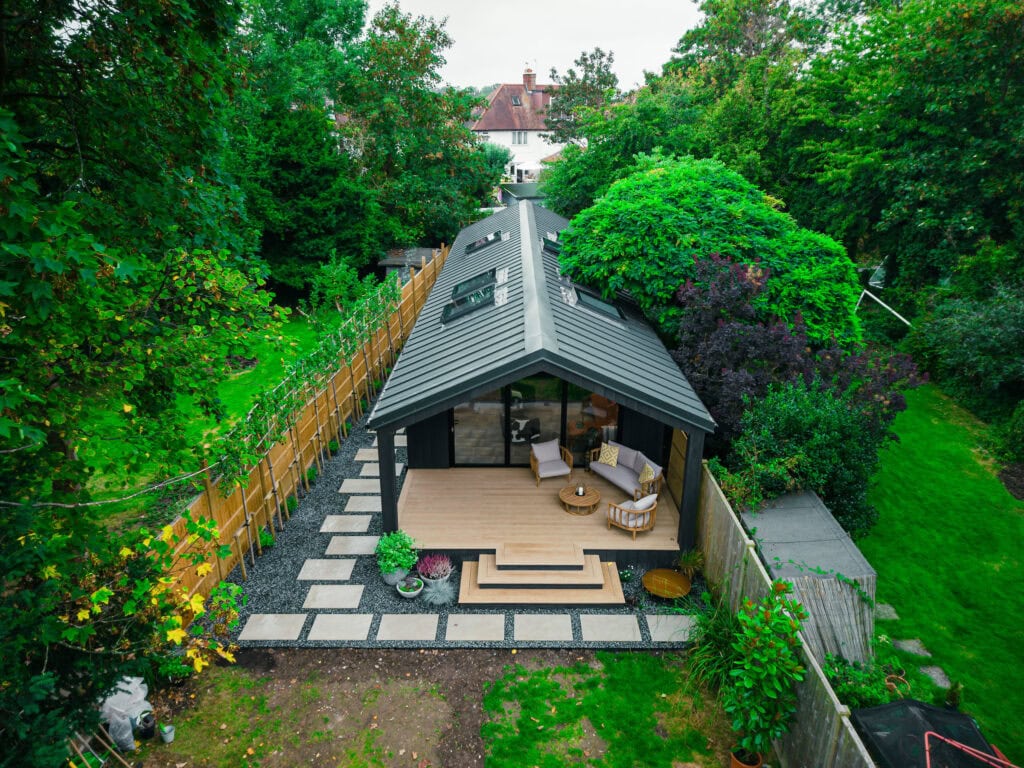
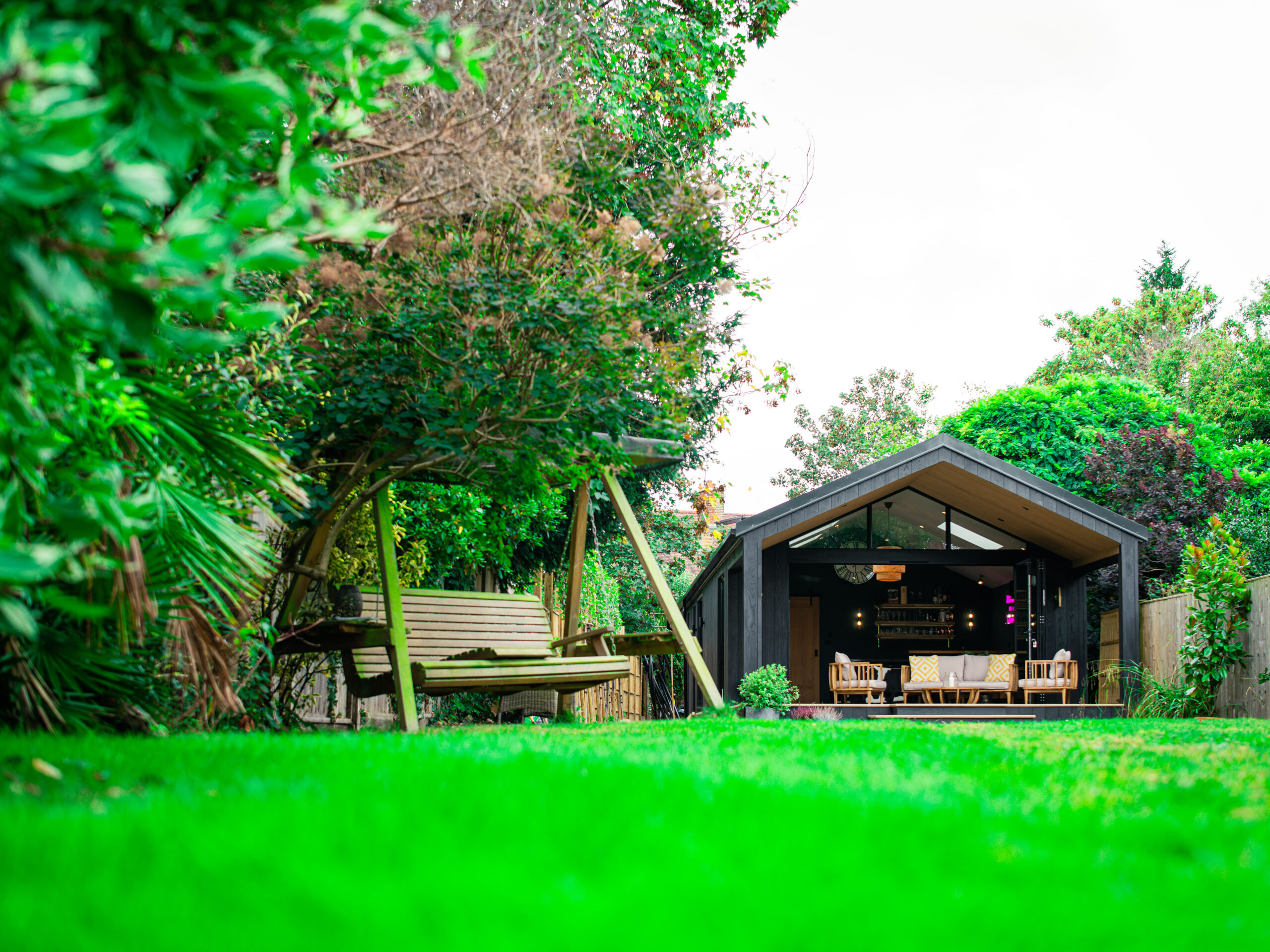
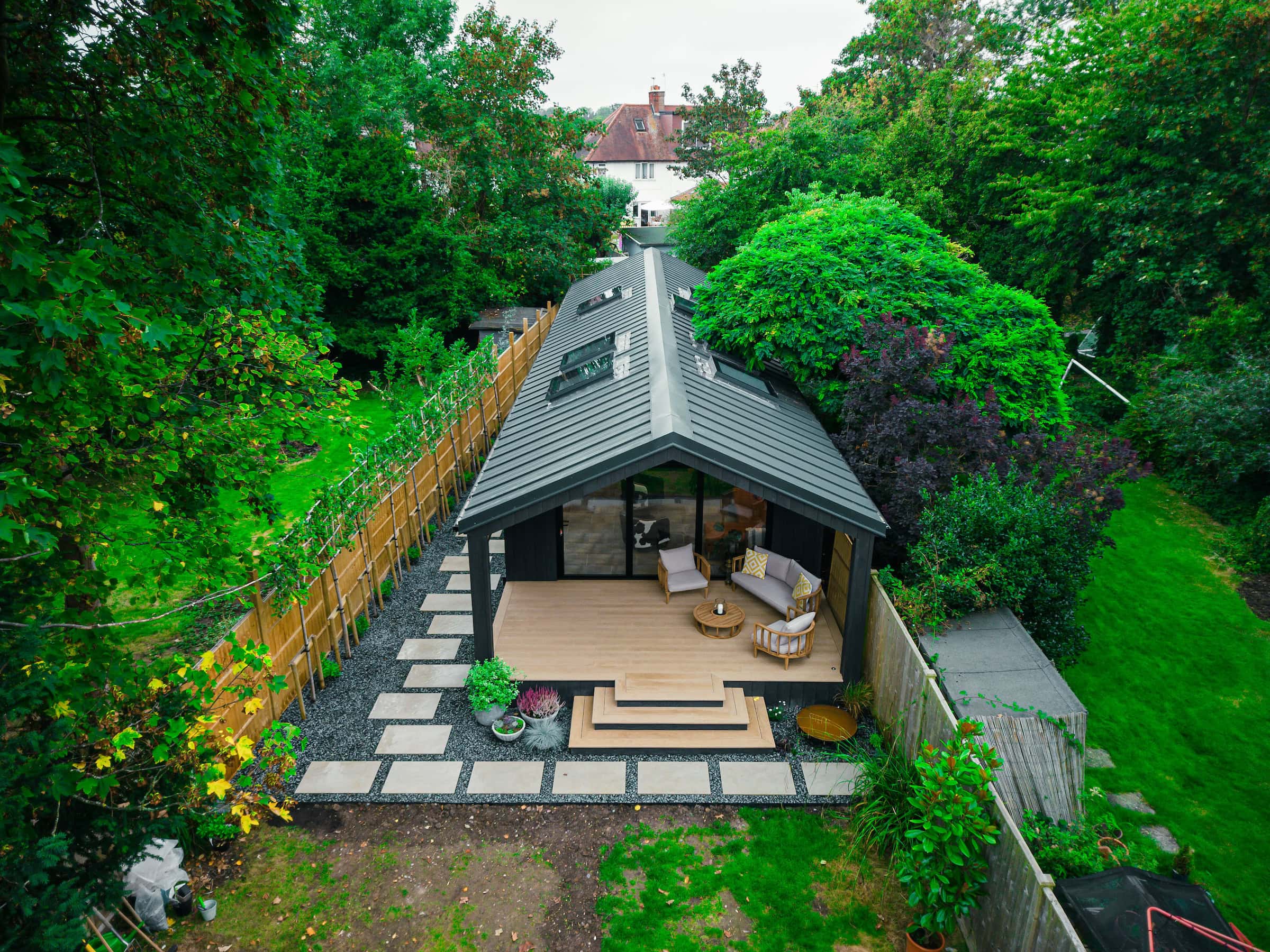
Claygate is also bordered by Green Belt to the south and east. That matters if you are thinking about a new outbuilding for a cinema, gym or office, so check with Elmbridge before the design goes too far.
Our demonstration cinema in Walton-on-ThamesAbout 2.4 miles from our showroom
We have designed and installed systems for homes in Claygate, and the drive to our demonstration cinema is short enough to fit into an evening. We are a Platinum Control4 dealer, winner of the Control4 Circle of Excellence award in 2023, 2024 and 2025, and specialists in Lutron lighting control, and our own maintenance team supports what we install. Book a showroom visit to see lighting scenes and a hidden-speaker cinema working, or book a free design consultation at home.