

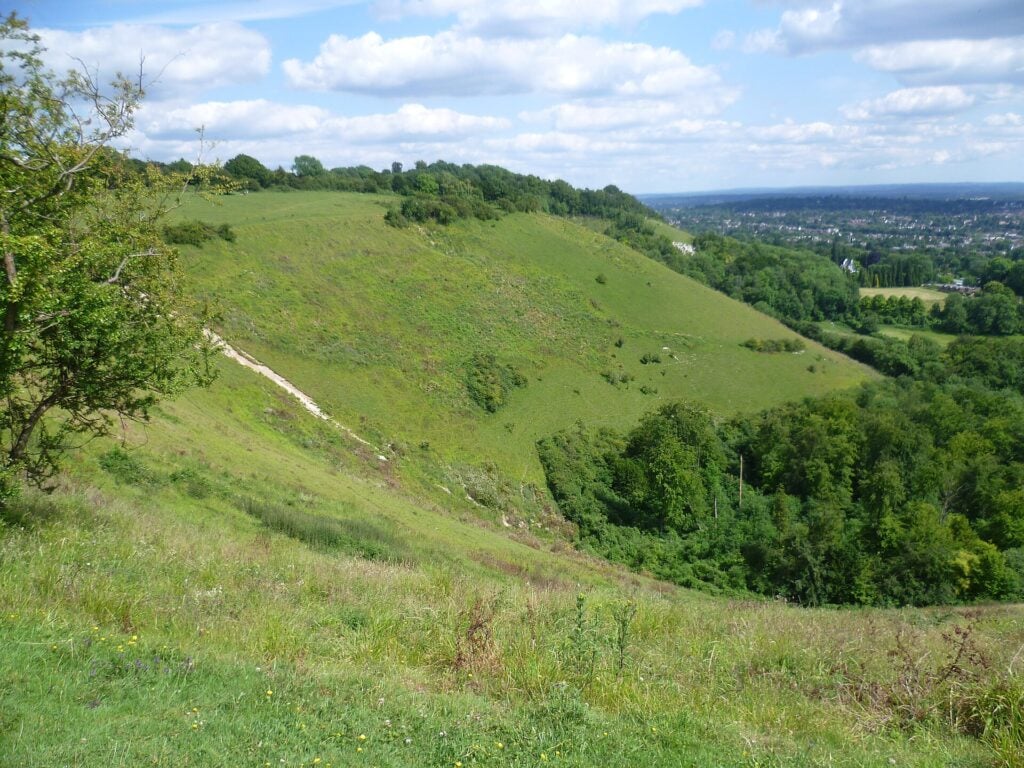
 The chalk grassland scarp of the North Downs at Colley Hill, next to Reigate Hill. Photo: Marathon, CC BY-SA 2.0
A Victorian railway town below the Downs
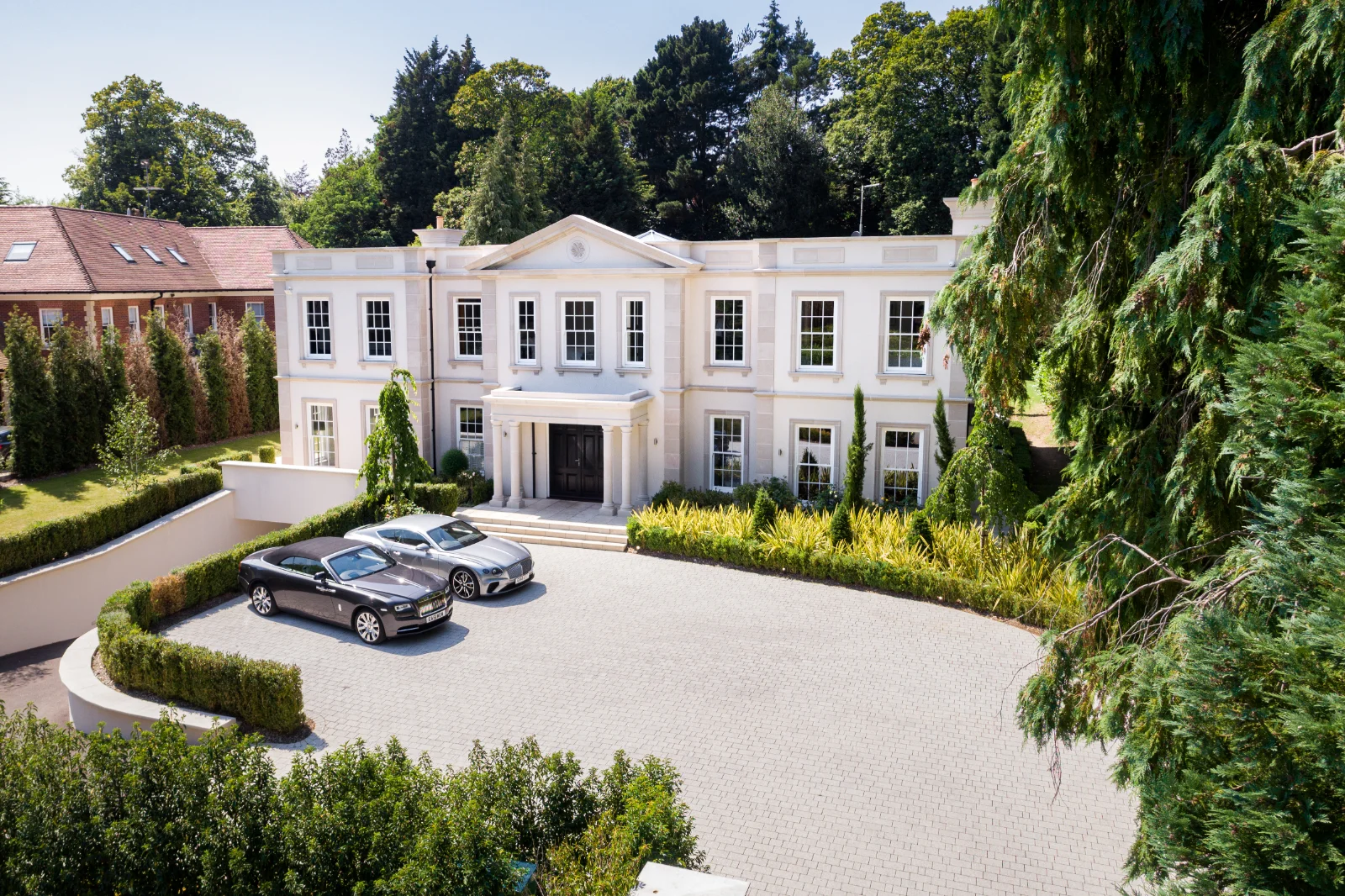
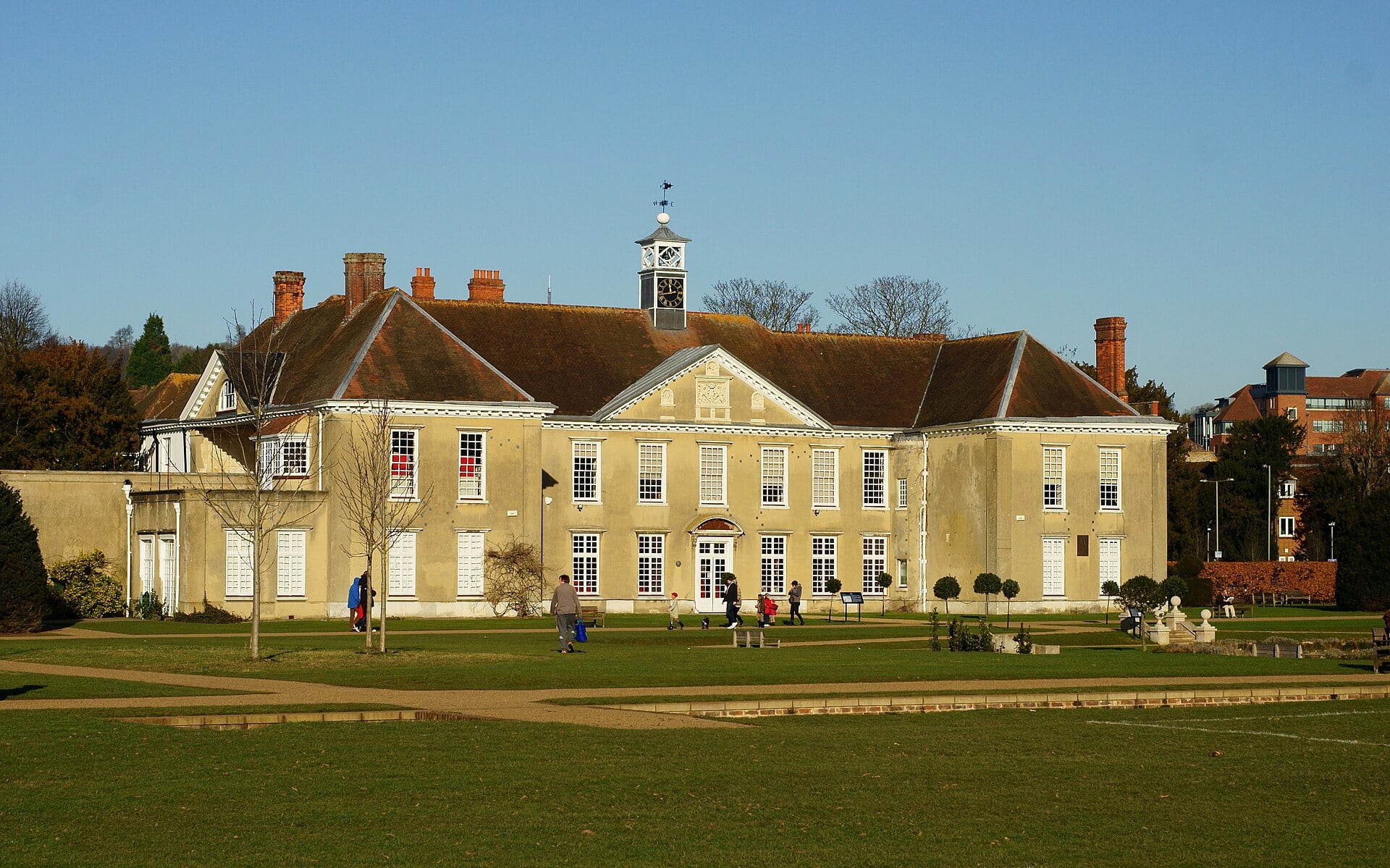
Reigate appears in the Domesday Book, but most of its houses are far younger. The railway arrived in the 1840s, and with it the Wray Park estate north of the town, where plots on the west and north sides of Wray Common were sold for large Victorian houses in the 1850s and 1860s. Doods Road followed around 1864, and South Park was developed from 1863 onwards. In 1921 the Reigate Priory estate was sold, releasing land for interwar building, and council housing followed at Woodhatch in the 1950s. Above the town, much of the North Downs is owned by the National Trust.
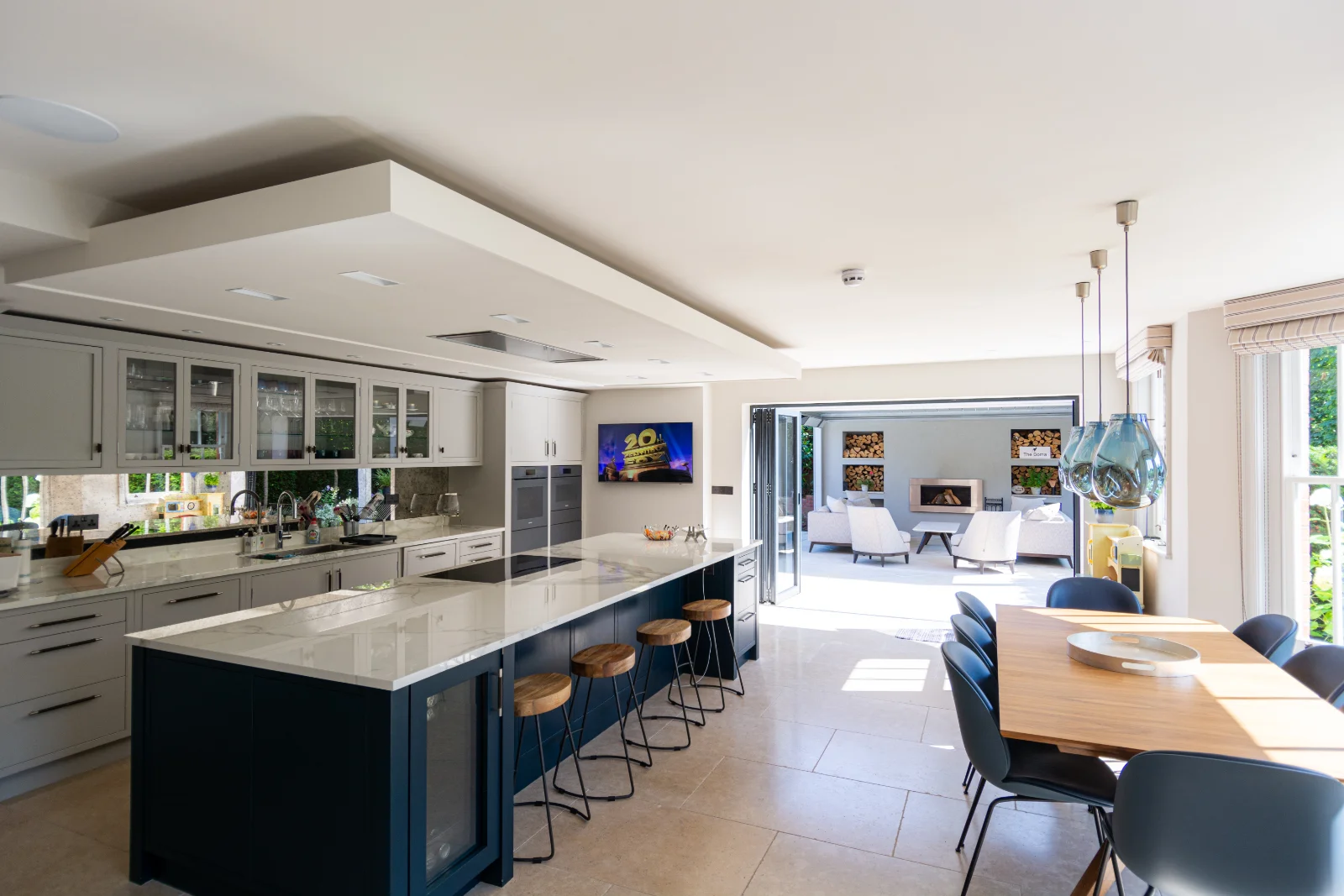
In the 2011 census, semi-detached houses were the most common home in the built-up area, followed closely by detached houses. So the typical Reigate project is a family house with finished rooms rather than a blank shell, and that shapes how we work.
From our Epsom projectConservation areas and Article 4 directions
Reigate and Banstead Borough Council manages the town's conservation areas, including Wray Common, where large Victorian houses surround the common, as well as the town centre and Reigate Hill. The council says Article 4 directions have been served on most of its conservation areas, controlling external changes to houses that would otherwise not need permission. For our work that matters outside rather than in: a new aerial or dish, cameras on the front of the house, garden speakers or external lighting may need consent. Check your address on the council's map and talk to its conservation team before anything is fixed to the outside.
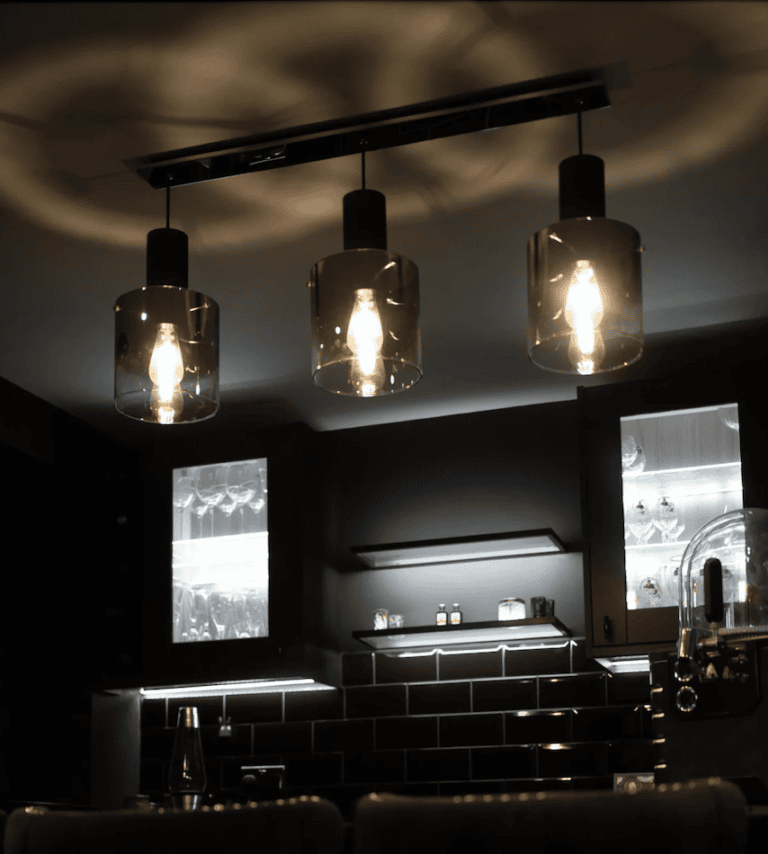
From our Epsom projectSmart lighting without rewiring a Victorian house
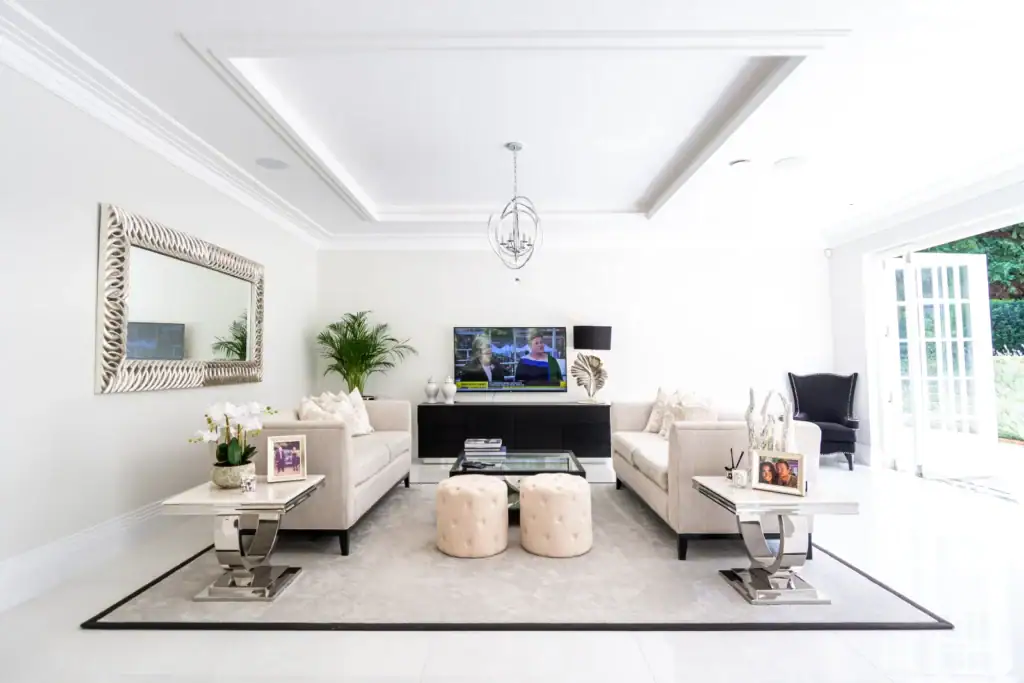
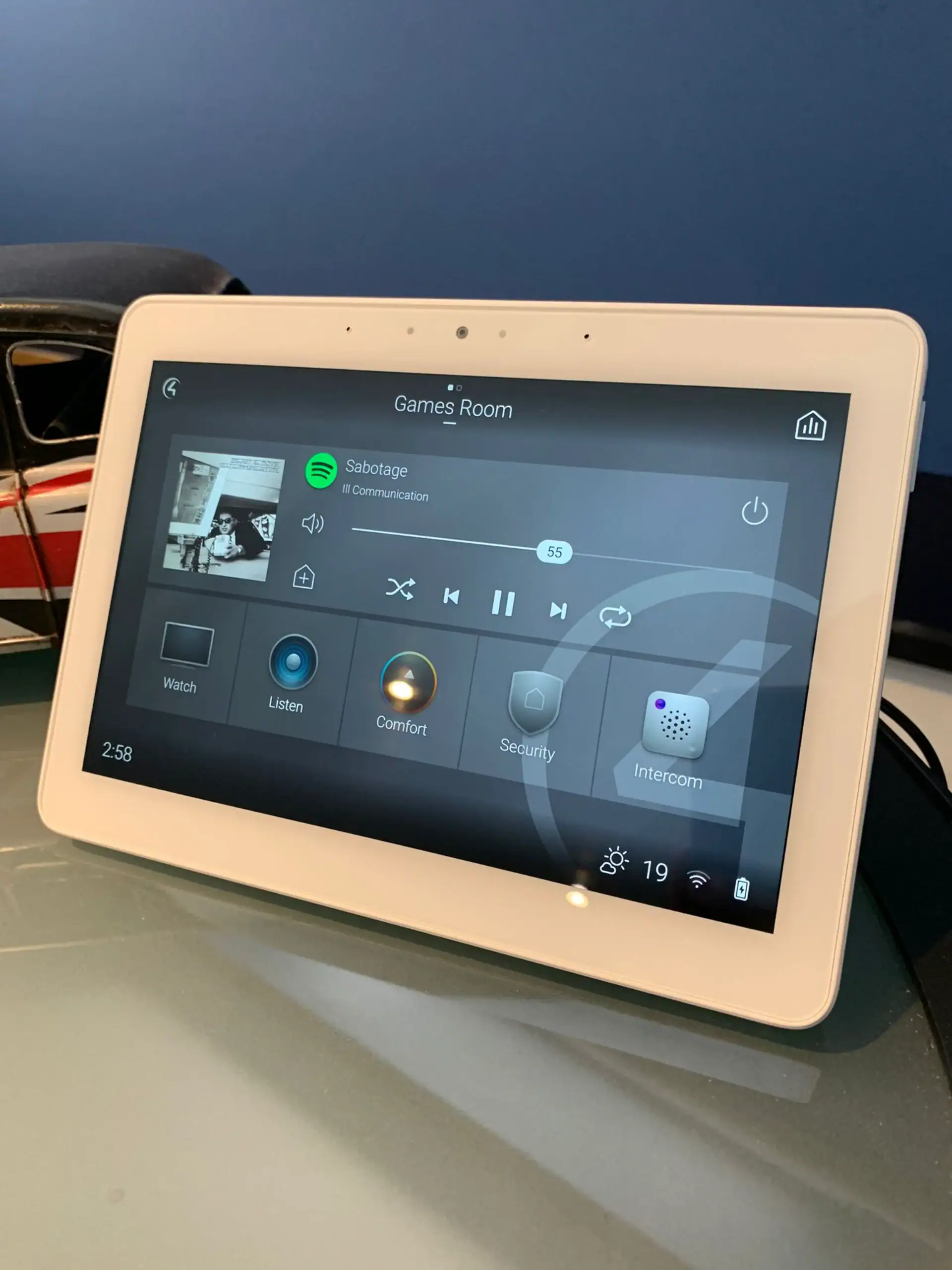
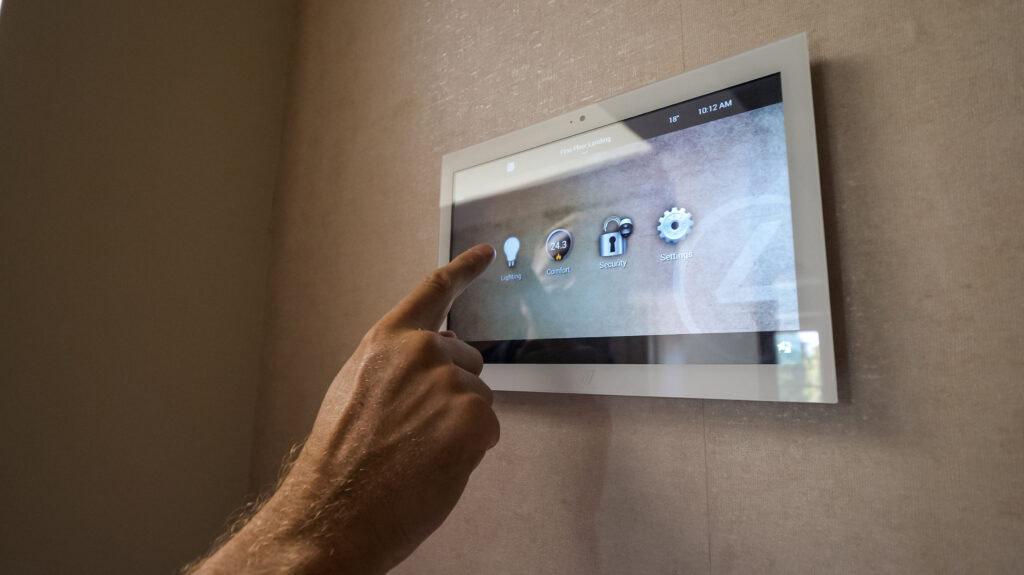
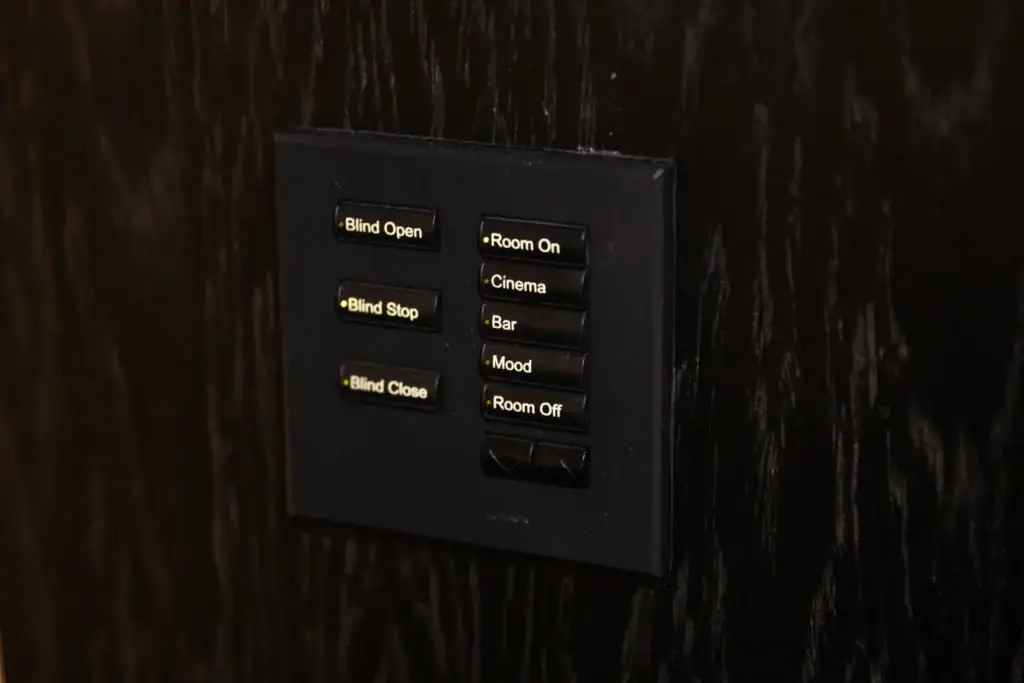
Inside, the challenge is finished plaster, cornicing and original joinery. Wireless Lutron lighting control retrofits without chasing walls: one keypad with named scenes replaces a row of dimmers, and the same keypad can close motorised blinds or curtains. Where you are extending or renovating anyway, we wire the new rooms properly so they share the same scenes. Control4 then brings lighting, heating, music and security into one app, and a properly designed Wi-Fi network keeps it reliable on every floor, including thick-walled rooms that a home router struggles to reach.
From our Fetcham projectA media room for match day and film night
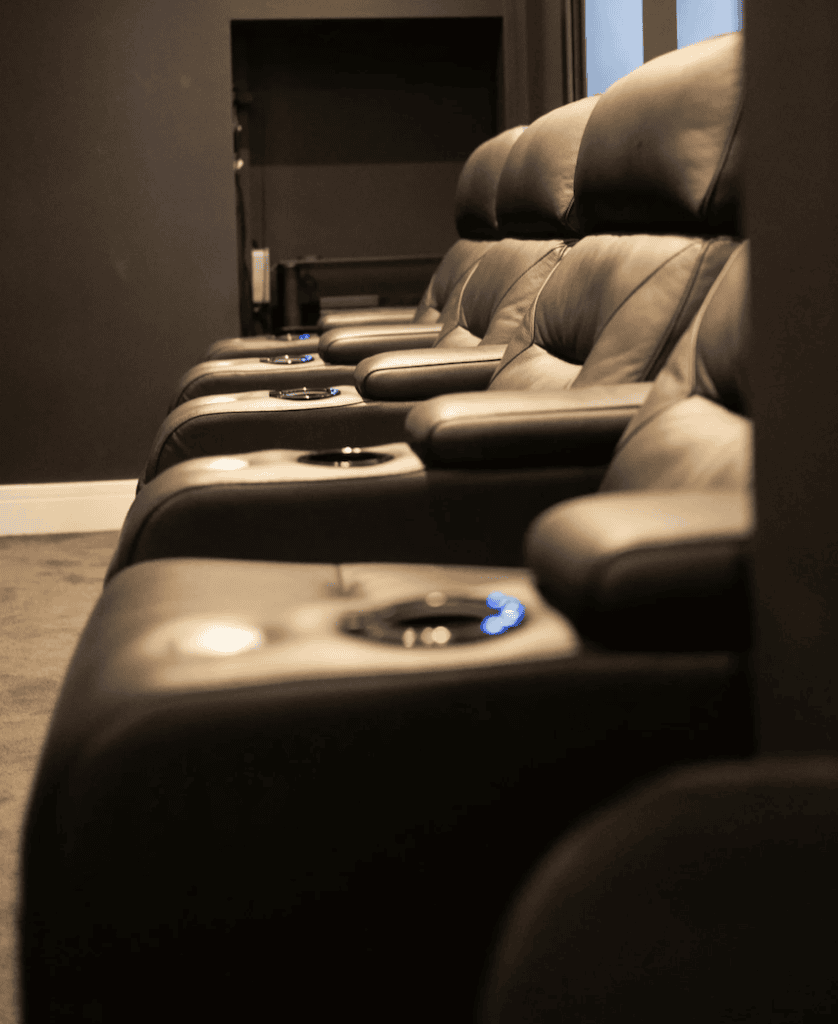
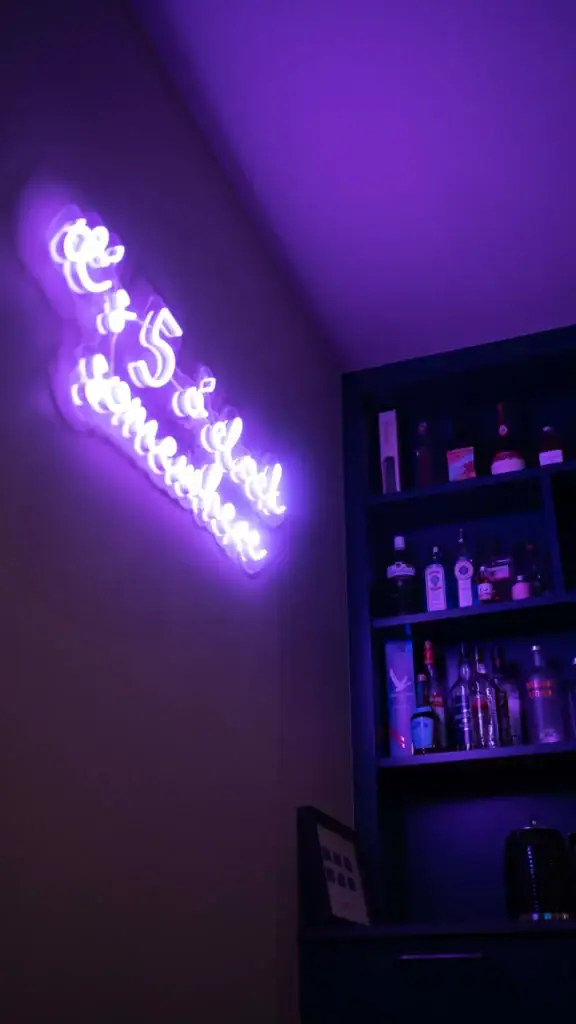
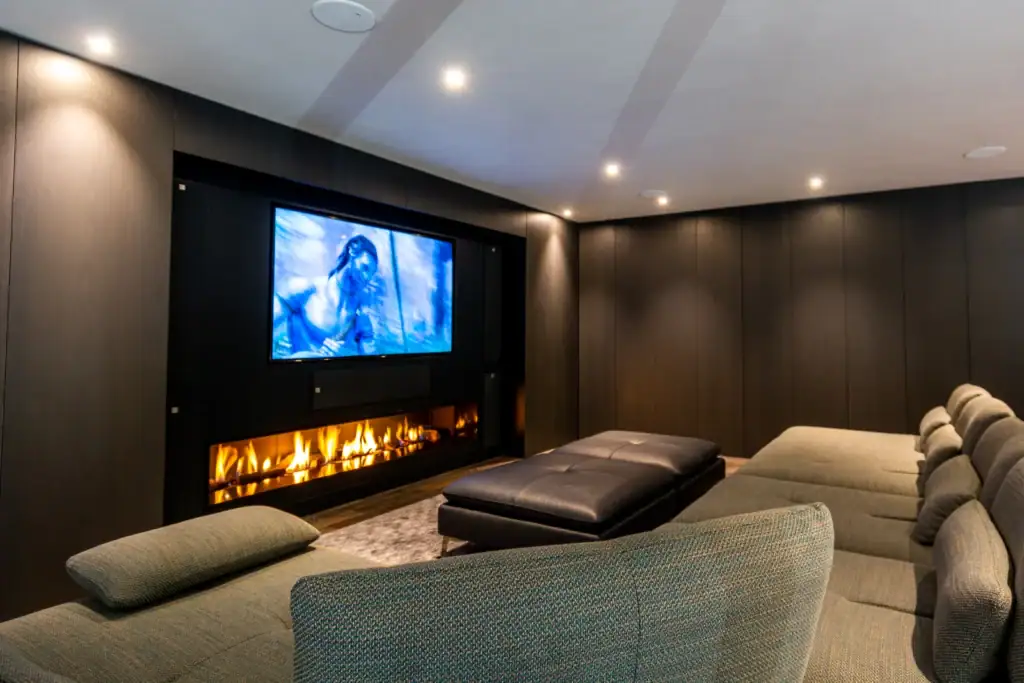
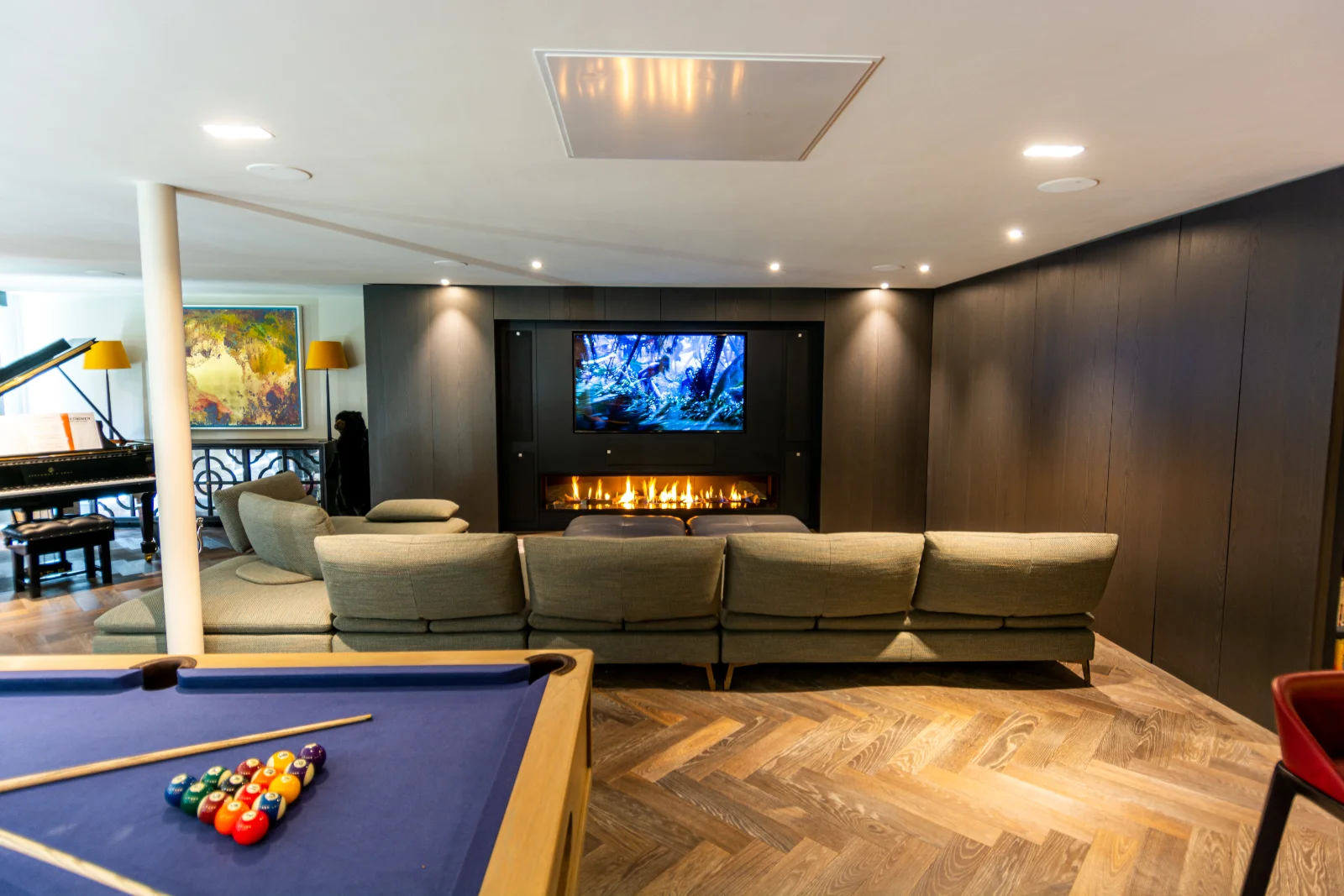
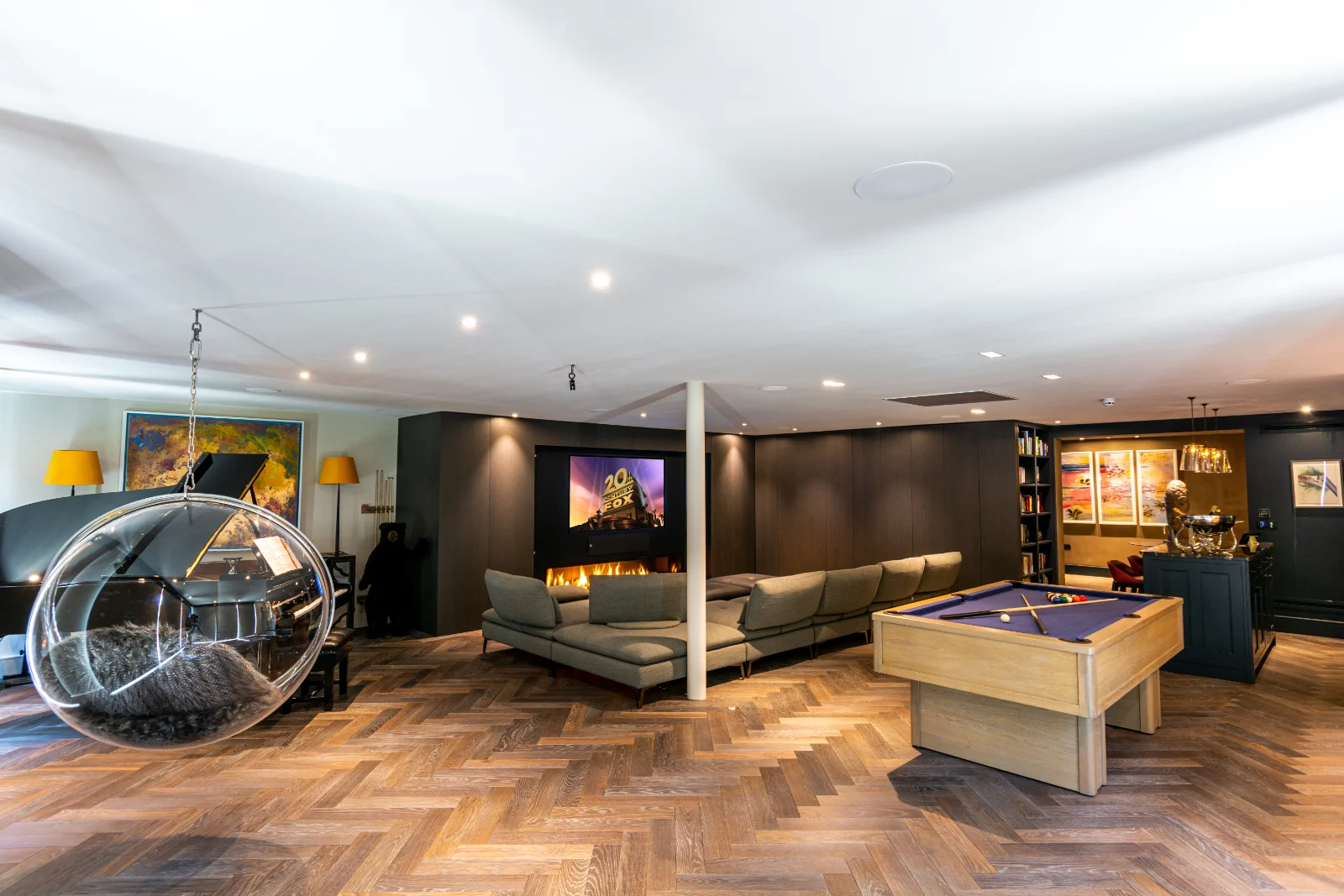
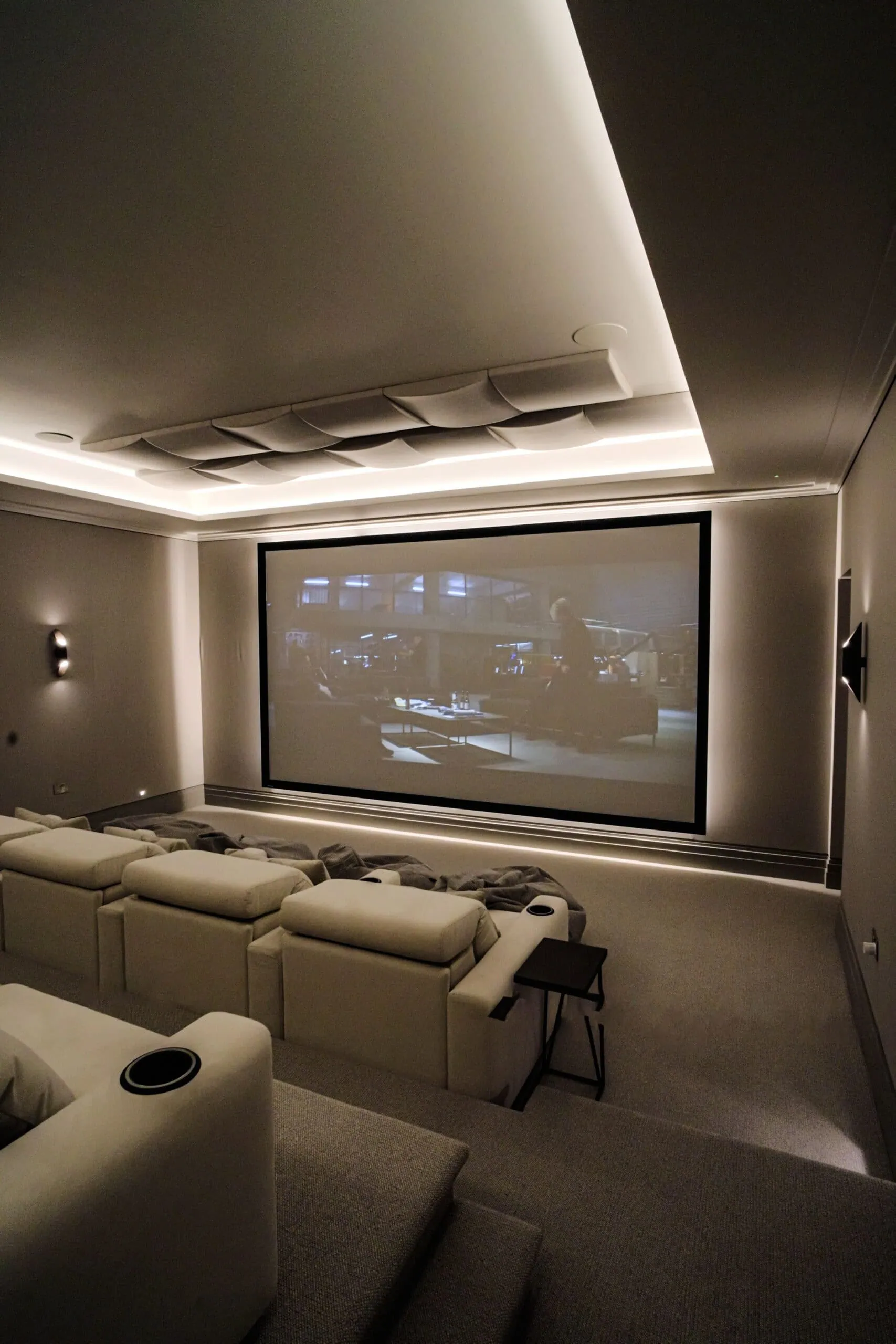
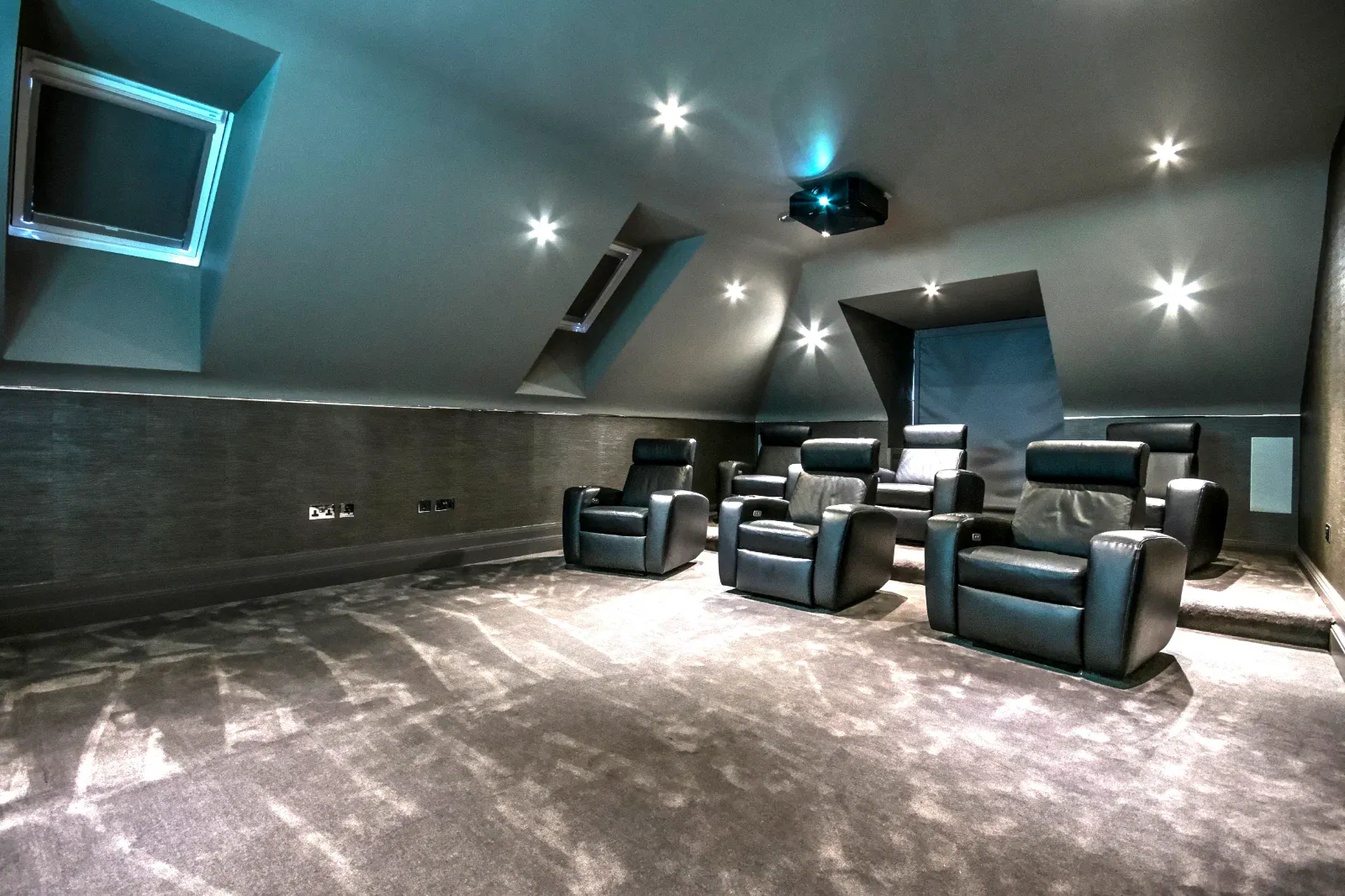
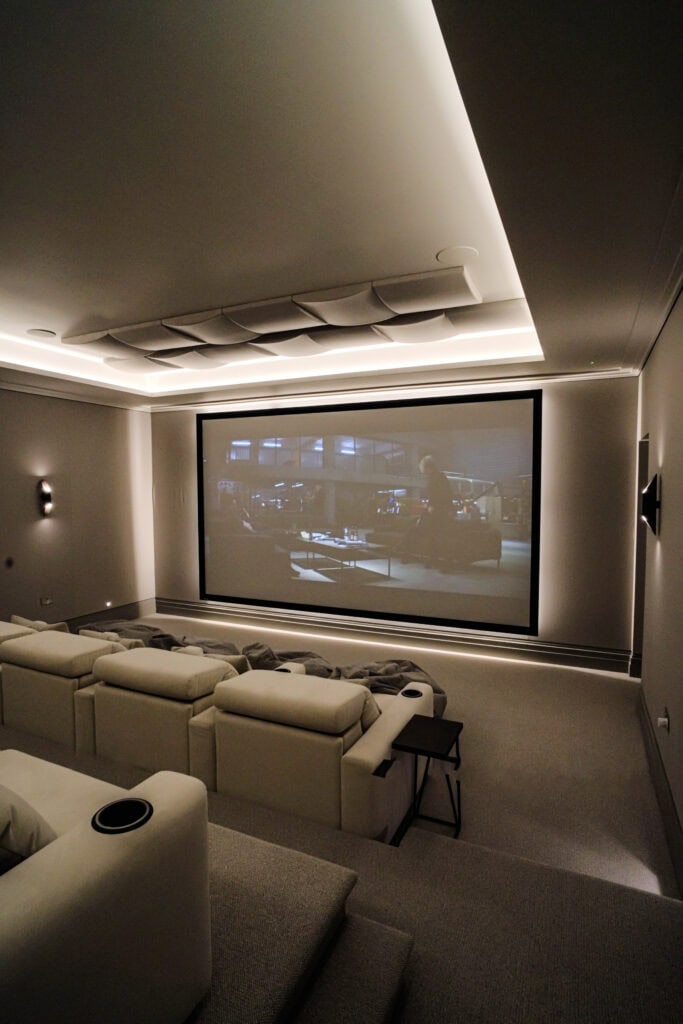
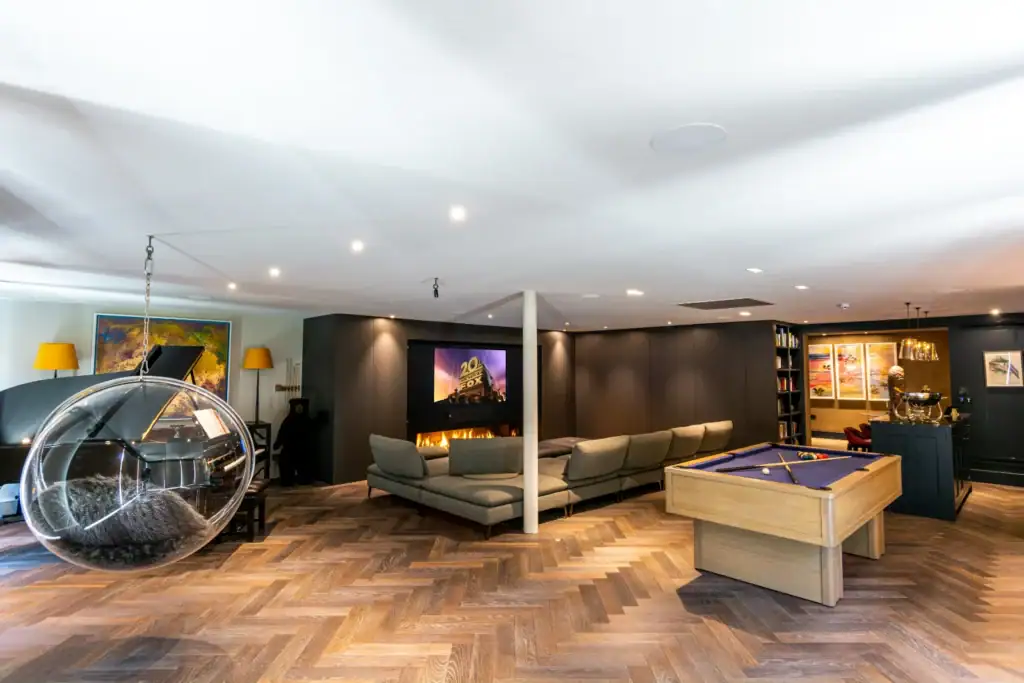
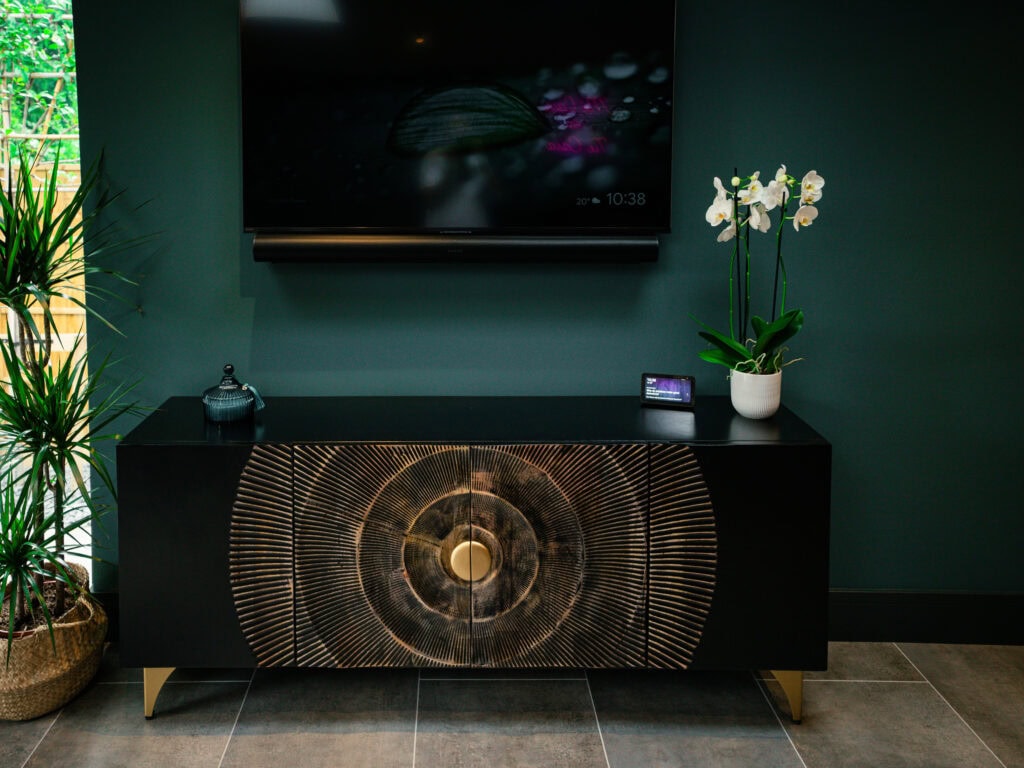
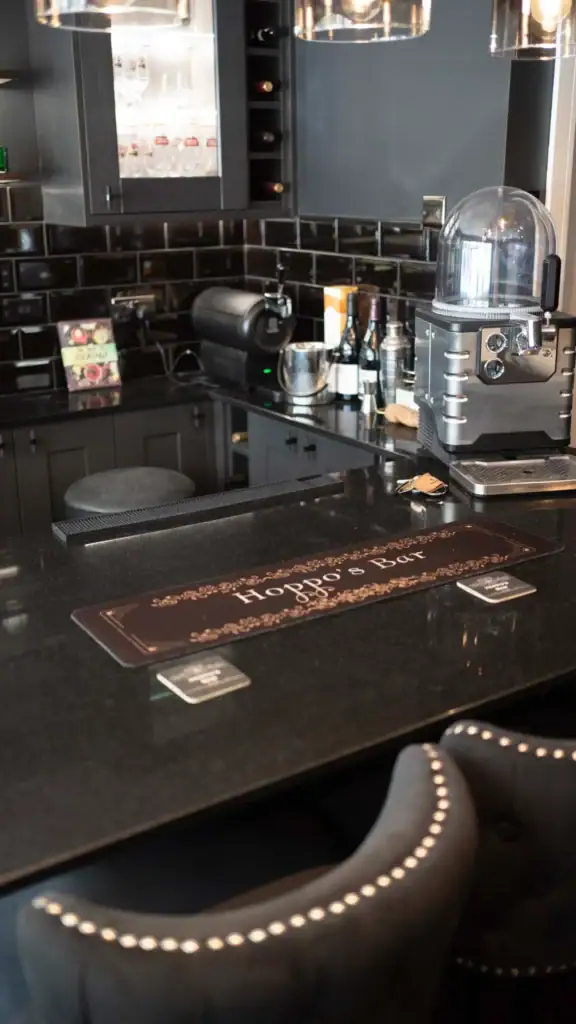
Many families want one room that shows films at the weekend and sport the rest of the time. Our nearest published example is the media room and sports bar in Epsom, built for a family of Manchester United fans whose old TV setup lacked clarity. It combines a Sony 85 inch TV with an Anthem MRX740 receiver and 5.1 surround sound, Lutron RA2 lighting and QMotion blackout blinds, all run by Control4. A media room like that suits a Victorian back reception room or a new extension, while a loft conversion or a room over the garage can take a dedicated cinema instead.
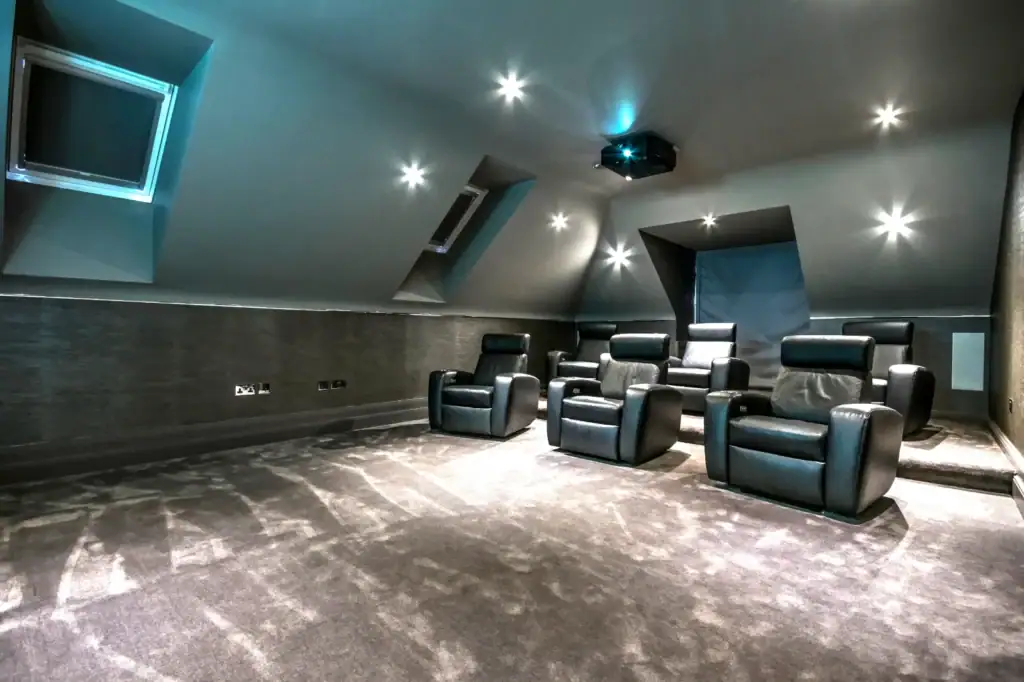
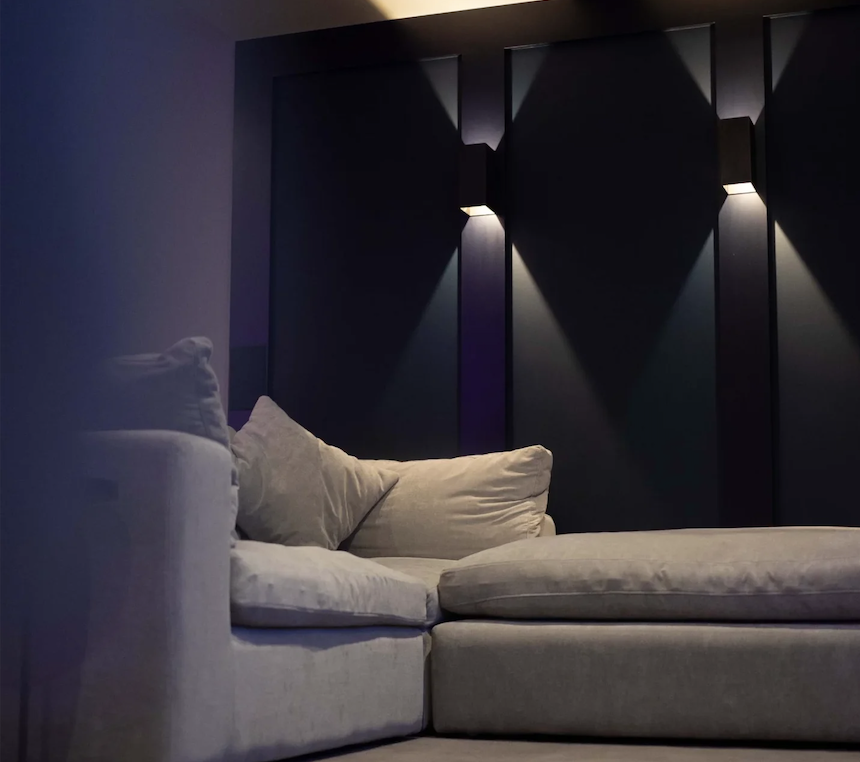
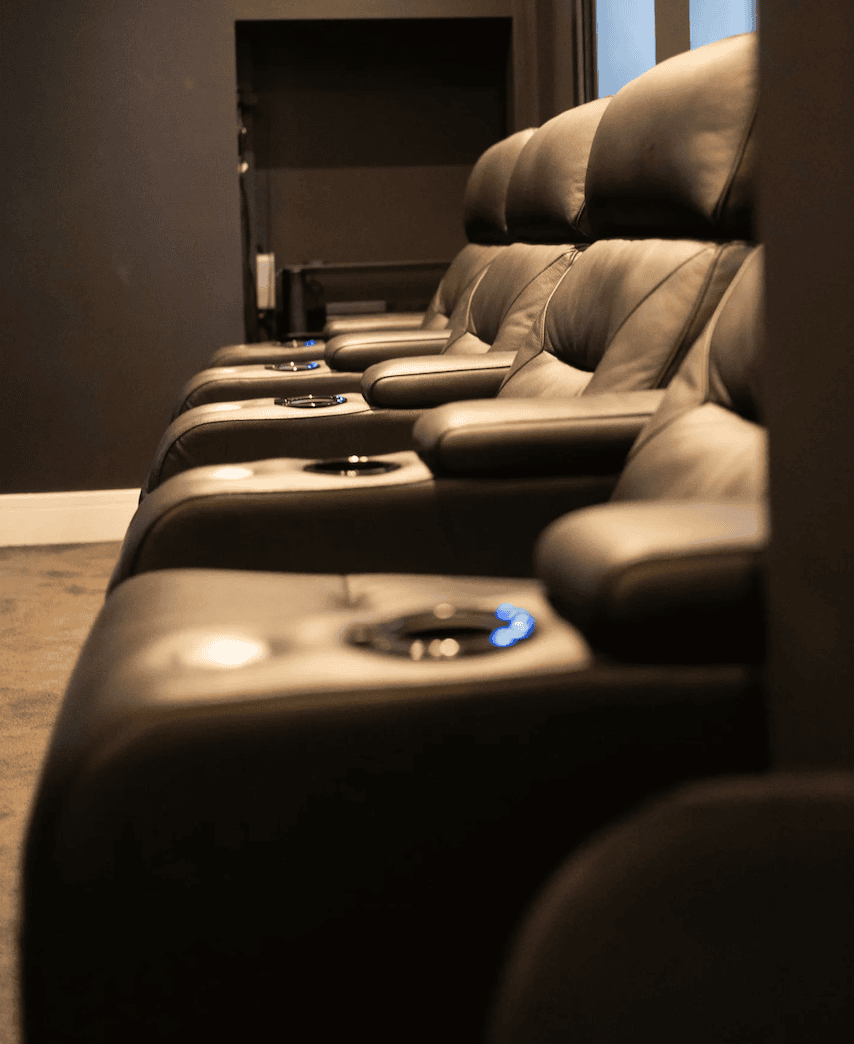
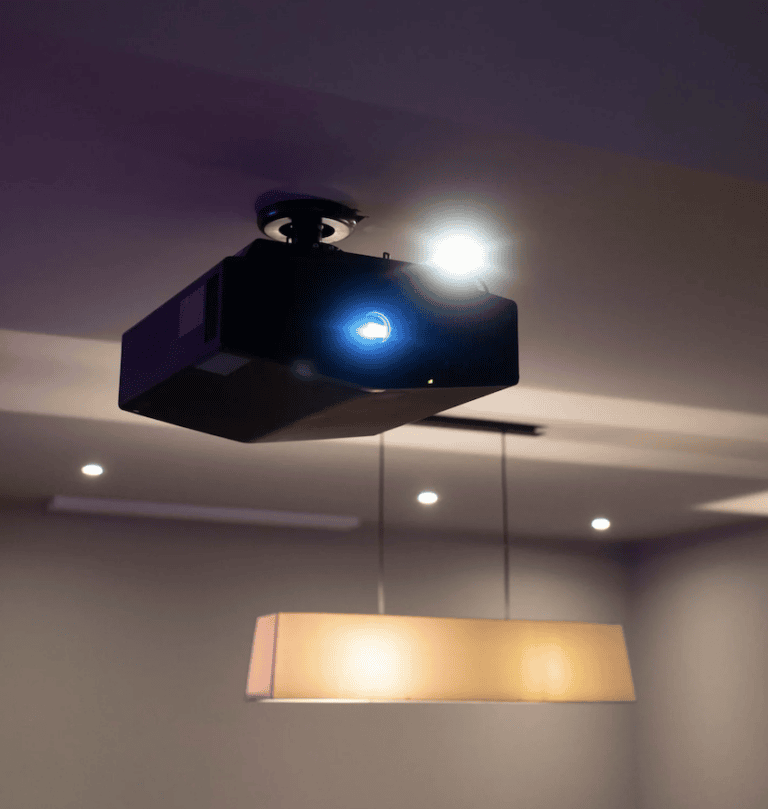
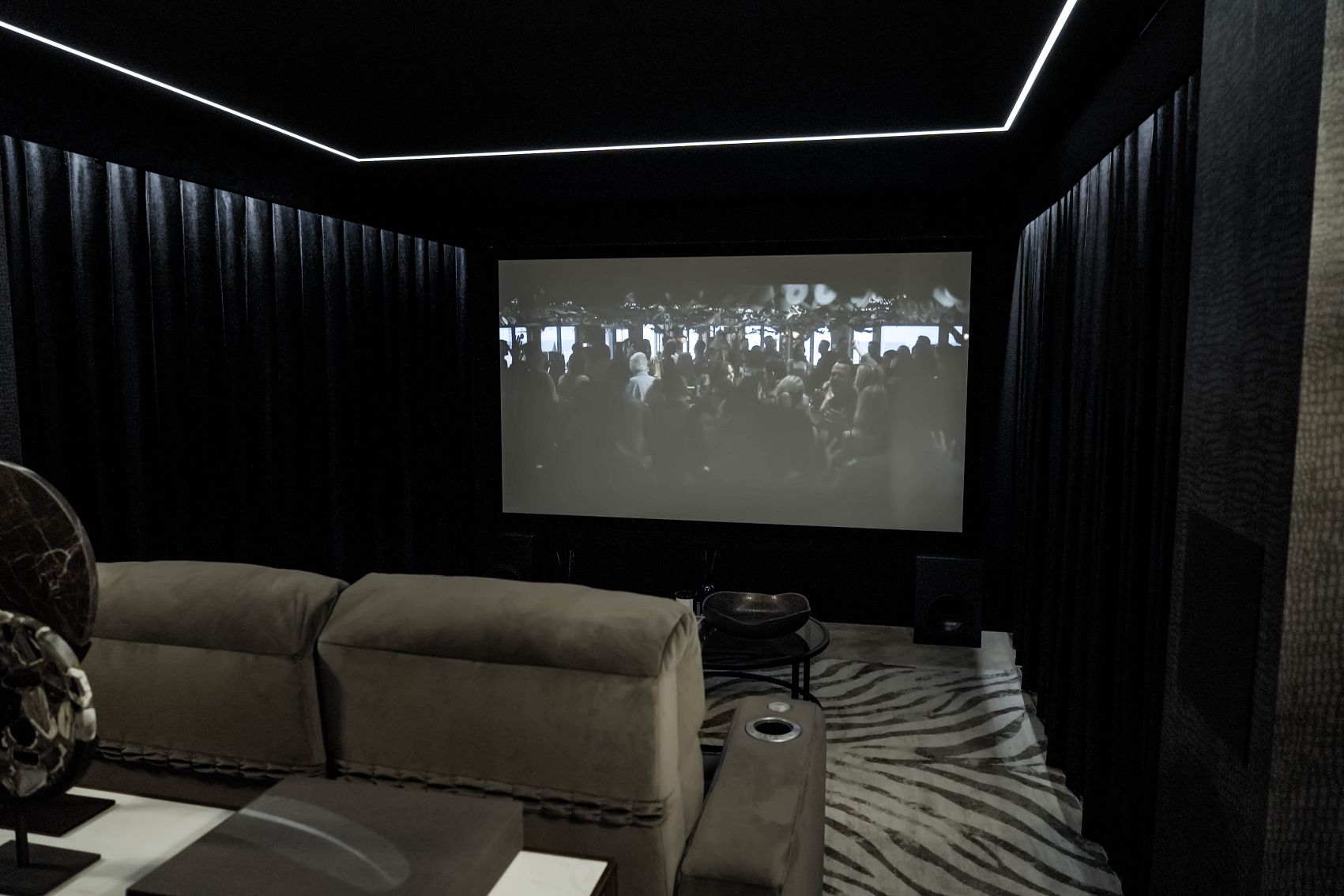
A loft brings sloped ceilings, which change where the projector and ceiling speakers can go, and a room over a garage often has only one small window, which makes light control easy. Either way, our home cinema design service works out seating distance, screen size and speaker positions for the room you actually have, and shows you the result in 3D before anything is built.
Our demonstration cinema in Walton-on-ThamesCost and how to start
A professionally designed small cinema room typically costs £15,000 to £25,000 fully installed, with two to three weeks on site for a typical small room once the equipment arrives. Lighting and whole-home projects vary more with the size of the house. We are a Platinum Control4 dealer, winner of the Control4 Circle of Excellence award in 2023, 2024 and 2025, and our own maintenance team supports what we install. Our Walton-on-Thames showroom has a demonstration cinema and a Control4 system you can try. Book a showroom visit or book a free design consultation at home.