


What Silent Gliss and QMotion each make
These two brands answer the same question, how to control daylight in a room, in different ways, so we cover them together. For motorised shading in general, including other systems, see our motorised blinds and shading service.
Silent Gliss has its group headquarters in Bern, Switzerland, and has been developing smooth, quiet curtain and blind systems since 1952. Its range covers hand-drawn and electric curtain tracks, the Metropole curtain pole, roller and dim-out blinds, Roman, pleated, vertical and panel systems, and its own fabrics, including dim-out and blackout cloths. The electric curtain tracks come in two families, the SG 5100 and the larger SG 5600, which Silent Gliss lists for longer, heavier curtains.
QMotion makes motorised roller blinds with a counterbalance spring in the roller: the spring does most of the lifting and the motor only has to guide it, which is how a battery can run a big blind. Its battery-operated blinds are fully wireless, with a battery life of up to three years, and its wired QIS system runs over Cat 6 cable for new builds. QMotion blinds also have a manual override, so they can be moved by hand.
Why they suit cinema rooms, media rooms and retrofits
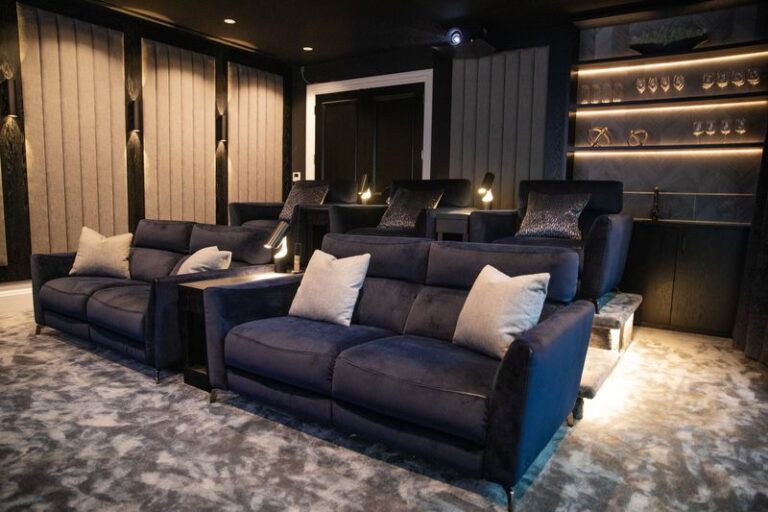
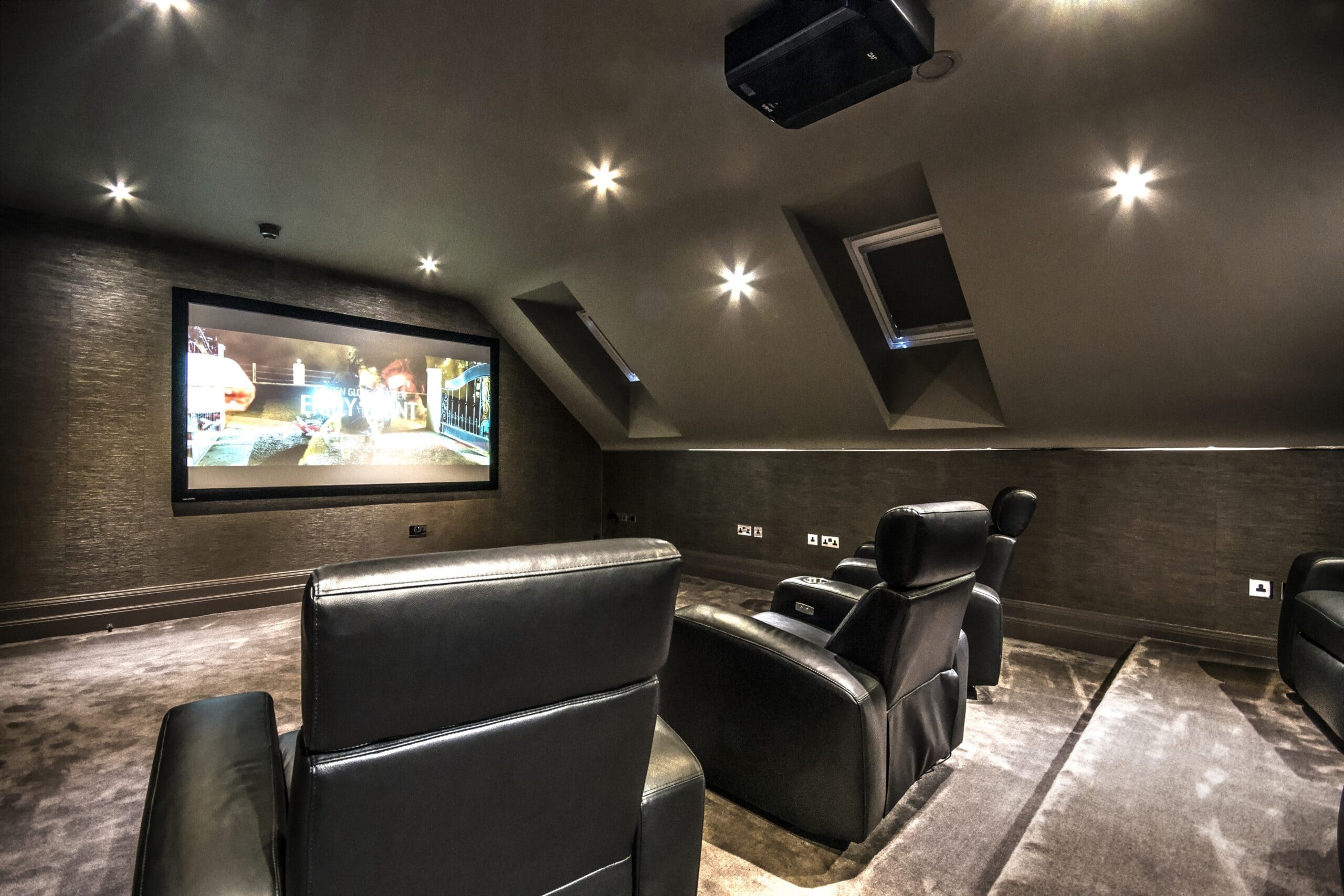
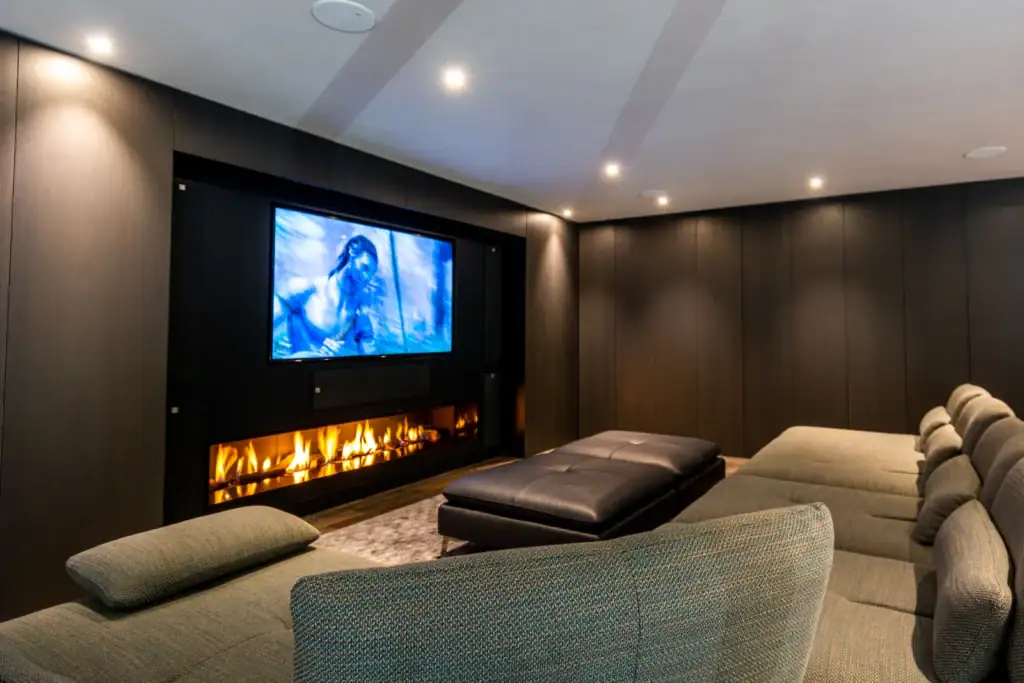
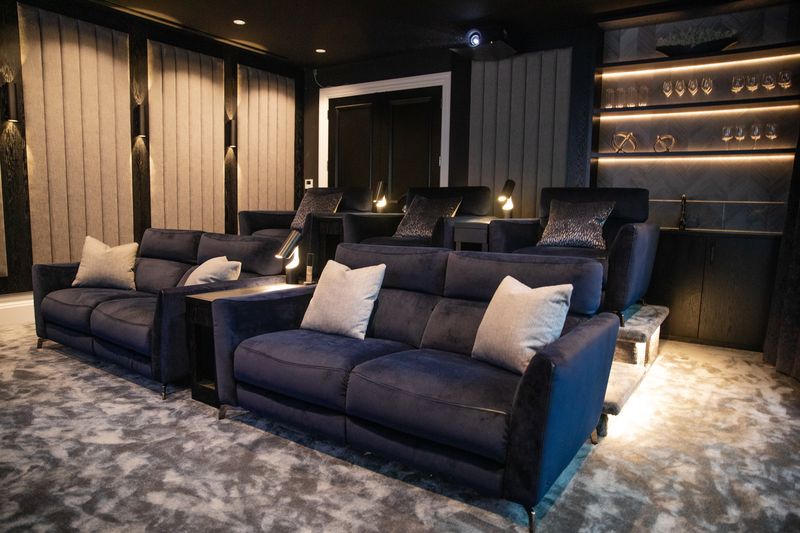
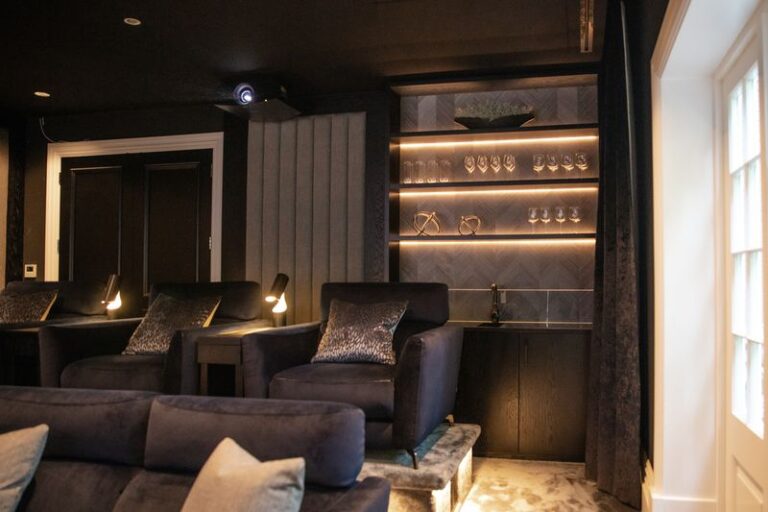
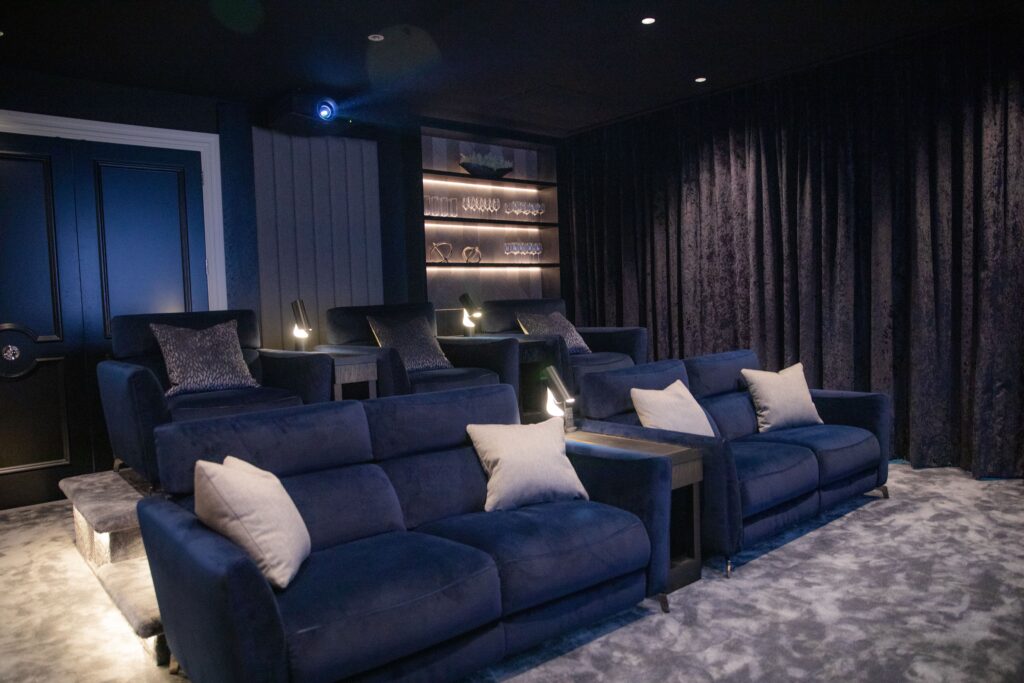
A media room asks two things of its windows: darkness when the film starts, and quiet while the blinds move. Silent Gliss presents its motorised systems as a benchmark for quiet and smooth running, and QMotion calls its blinds virtually silent. Those are the makers' own claims, so we still listen to a motor in a quiet room before we commit to it.
For darkness, Silent Gliss dim-out blinds have the fabric zipped into side channels, so the edges are held in a profile instead of hanging free, and they can be fitted inside or outside the window recess. QMotion offers blackout fabrics across several collections. In a dedicated home cinema we still check the top, the sides and the sill of every window, because a thin line of daylight on a projection screen is easy to see.
Retrofits are where battery blinds earn their place. A QMotion battery blind needs no new cable to the window, which matters once plaster and decoration are finished. Silent Gliss also makes battery roller and Roman blinds for the same situation, while its electric tracks and blinds suit renovations where power can be run to the head of the window.
Planning Silent Gliss and QMotion: power, weight and fabric
- Power first: Silent Gliss electric tracks and blinds, and QMotion QIS blinds, need cable to the window head, so they belong in the first-fix plan. Battery blinds from either brand suit rooms where that cable cannot be added.
- Battery access: QMotion rates its batteries for up to three years, so we make sure every headrail can be reached without taking down joinery or pelmets.
- Size and weight: Silent Gliss points its electric tracks at curtains that are big, weighty or out of reach, and the fabric weight and the length of the run decide between the SG 5100 and SG 5600 families.
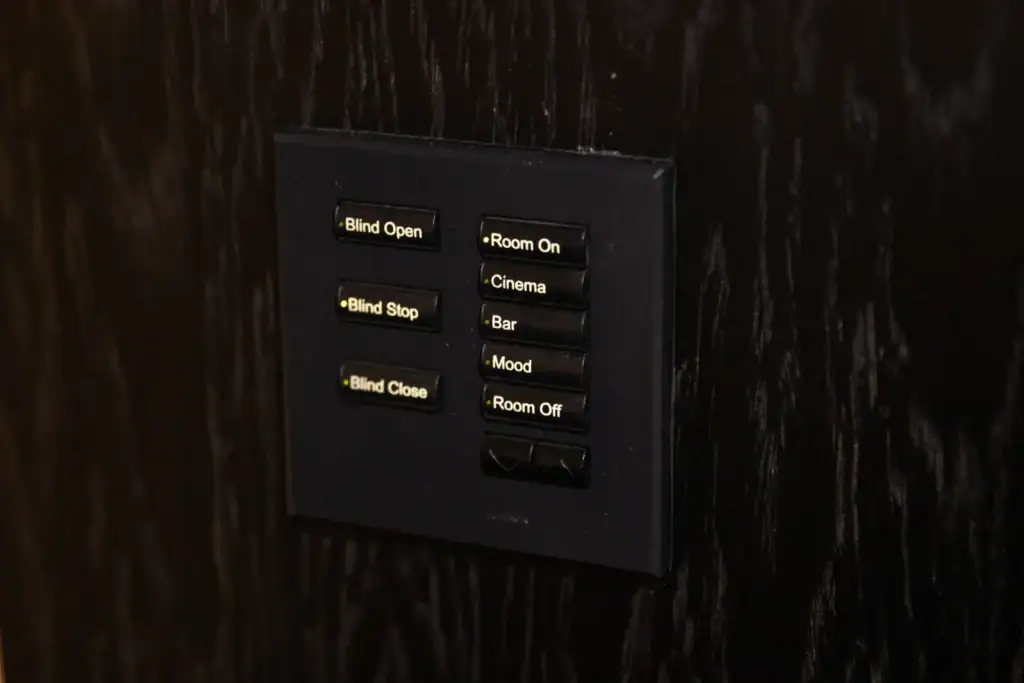
- Control route: for Control4, Silent Gliss needs Smart motors and a gateway, and QMotion needs the Zigbee or wired version, so we fix the control route before the order is placed.
- Fabric: blackout for cinema rooms and bedrooms, sheer or dim-out for living spaces, and layered curtains over blinds where a room needs both.