Lutron Ketra is a range of LED downlights, lamps and linear lights that can change both brightness and colour temperature, from a deep amber glow to crisp daylight white. Lutron quotes a range of 1,400K to 10,000K. In the UK, Ketra fittings run on 230 V and are controlled by Lutron HomeWorks or RadioRA 3.
That is the short answer. The longer one is about what tunable white actually does in a room, and whether it is worth planning into yours.
What does tunable white mean?
Every white light has a colour temperature, measured in kelvin (K). Lower numbers look warm and amber, higher numbers look cool and blue-white. Lutron’s guide to colour temperature describes warm light as roughly 1,400K to 2,700K, cool as 3,000K to 4,500K, and very cool as 5,000K to 6,500K and above. Lutron compares the warm end to candlelight and old filament bulbs, and the cool end to an arctic sky.
An ordinary LED downlight has one fixed colour temperature. A tunable white fitting lets you change it. Lutron’s guide says tunable white LEDs let you adjust colour temperature across the white range, usually 2,700K to 6,500K, and adjust brightness separately.
There is a simpler cousin called warm dim, or dim to warm. It ties colour to brightness, so the light gets warmer as you dim it, the way an old filament bulb did. Lutron gives 2,700K to 3,000K at full output, falling to 1,400K to 2,400K when dimmed. Warm dim is lovely in a dining room. Tunable white gives you independent control of both.
How is Ketra different from ordinary tunable white?
Most tunable white fittings use two LEDs, one warm and one cool, and blend them. Lutron’s Ketra FAQ explains that Ketra instead mixes red, green, blue and white LEDs, which gives it a wider range of white light and 16.7 million colours. Lutron also says Ketra moves precisely along the black body curve, the line of colours that a glowing hot object passes through as it heats up, and that this is what lets it mimic the changing colour of sunlight.

Lutron’s UK Intelligent Lighting page adds three points that matter in a real home:
- Consistency. Downlights, lamps and linear lights are designed to give identical colour, output and dimming, down to 0.1% brightness, so different fittings in one room are designed to match.
- Colour rendering. Lutron quotes high CRI, Rf and Rg ratings. CRI (colour rendering index) is a measure of how true colours look under a light source, so a high score helps timber, fabric and skin look natural.
- Wireless control in every fitting. Each fitting is wireless and individually addressable, so which lights belong to which zone is set in programming.
What is Ketra Natural Light?
Natural Light is Ketra’s name for lighting that changes through the day. Lutron’s Ketra page describes light that “shifts with the sun throughout the day”, so colour temperature and brightness change gradually from morning to evening instead of staying fixed. Lutron’s UK HomeWorks page lists Ketra Natural Light downlights as part of the system.
Lutron markets Ketra as human-centric lighting. We would rather you judged it by how a room feels to live in than by health claims, and the best way to do that is to see it.
Which Lutron systems control Ketra in the UK?
Lutron’s UK Intelligent Lighting page says Ketra and Orluna CCX fittings are engineered for 230 V, are available in the UK and Europe, and work with HomeWorks for luxury homes and RadioRA 3 for high-end homes. The US Ketra FAQ lists HomeWorks as its residential system and says Ketra does not currently integrate with RadioRA 2.
In practice that means:
- On a HomeWorks project, Ketra is designed in natively, alongside Palladiom or Alisse keypads and Lutron blinds.
- On a RadioRA 3 project, check the specific Ketra products against the system at design stage.
- On an older RadioRA 2 system, Ketra means upgrading first.
Our guide to HomeWorks, RadioRA 3 and Caseta explains the systems in more detail.
Where does tunable white make the biggest difference?
Not every room needs it. These are the places where we think it earns its keep:
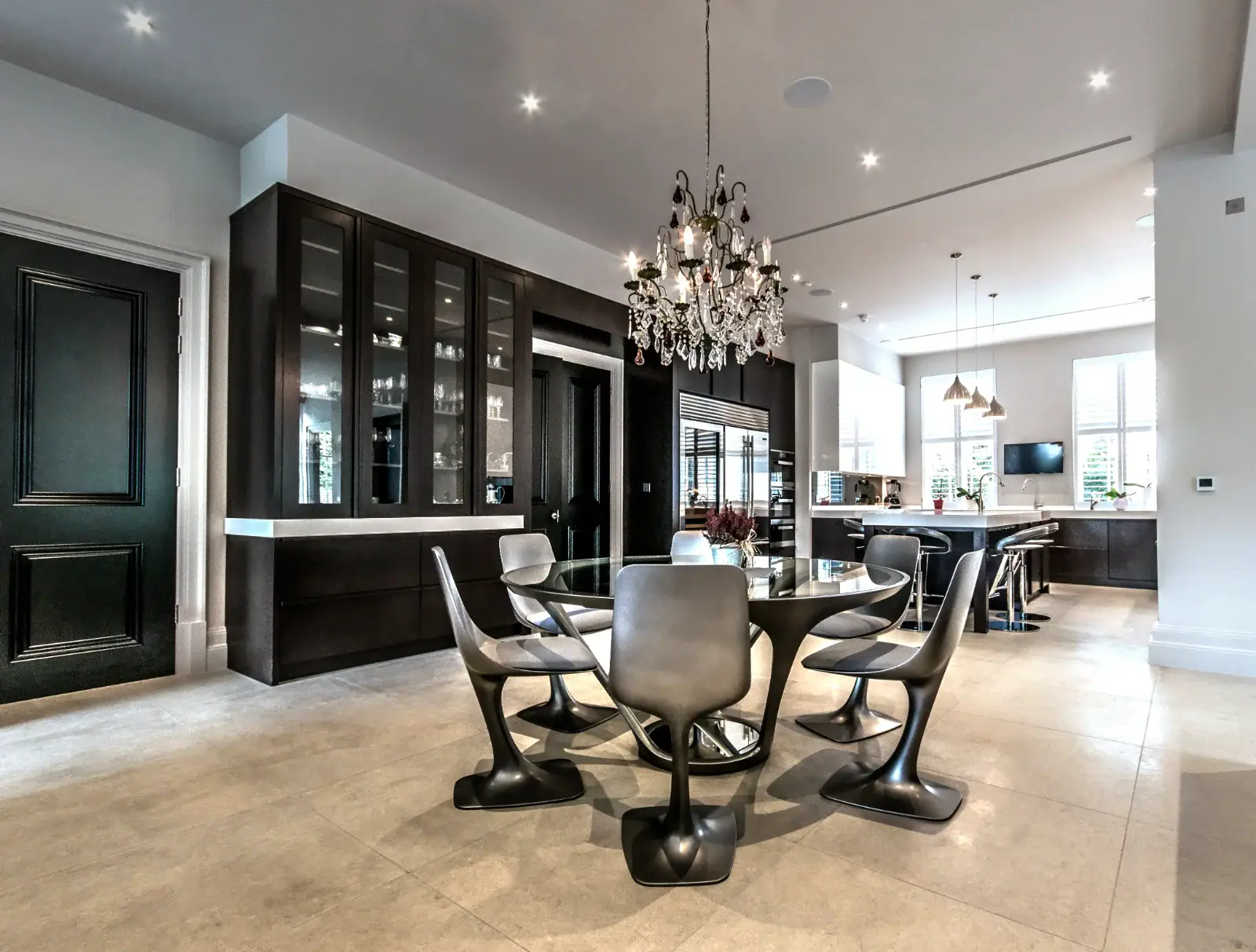
- Kitchens and open-plan living. Bright, cooler light for cooking and homework, then warm, low light when the same space becomes the evening sitting room.
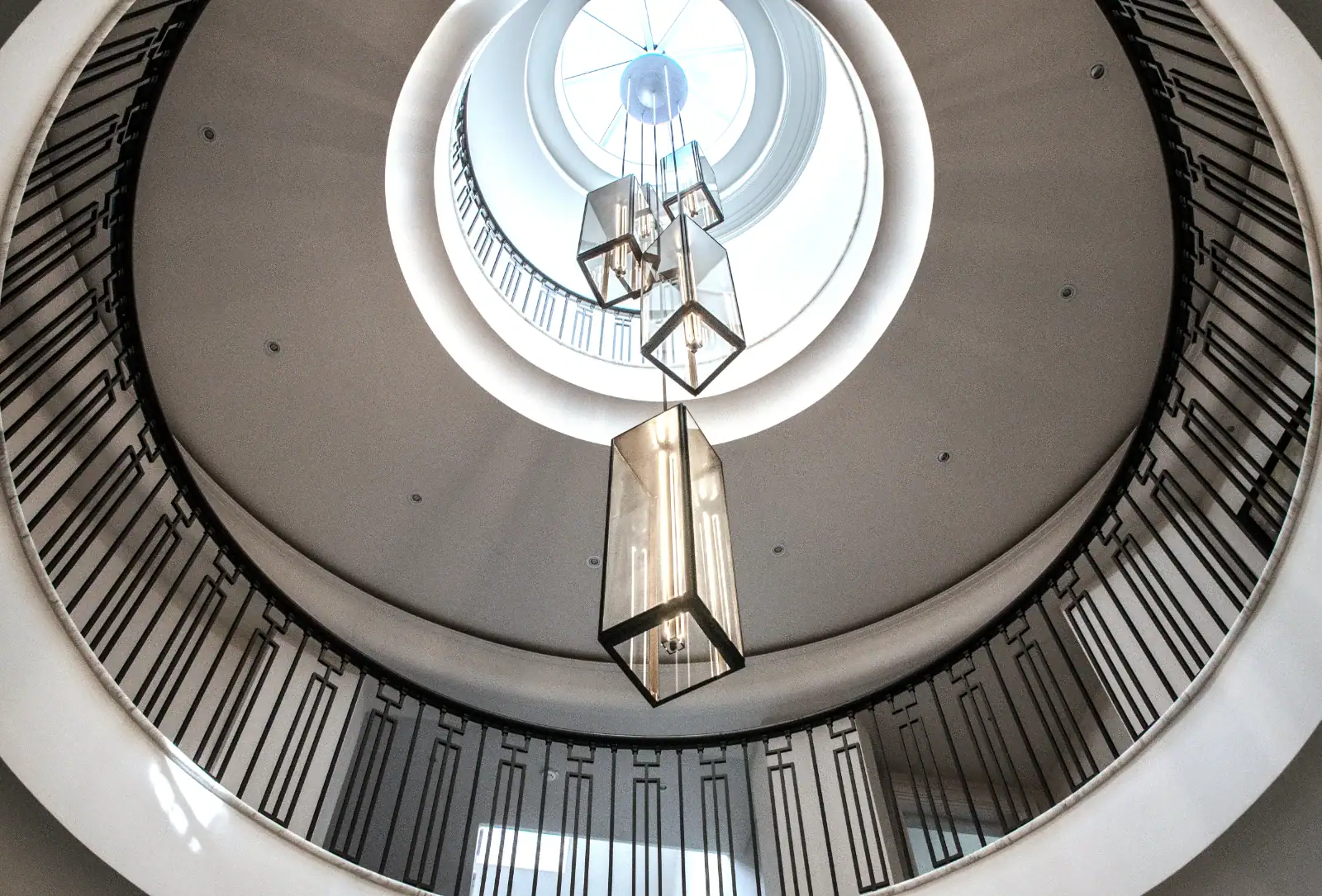
- Halls, stairs and landings with little daylight. Light that follows the day stops an inner hallway feeling gloomy at noon and glaring at midnight.
- Art, shelving and joinery. High colour rendering makes paintings, timber and stone look as they should.
- Bedrooms and bathrooms. Very warm, very low light for late nights and early mornings.
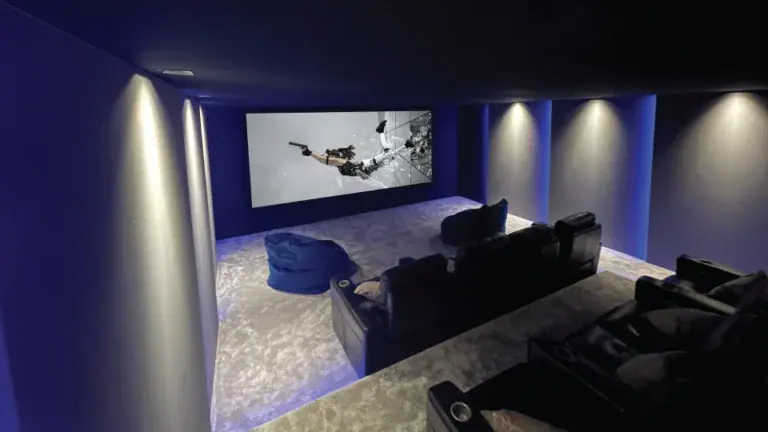
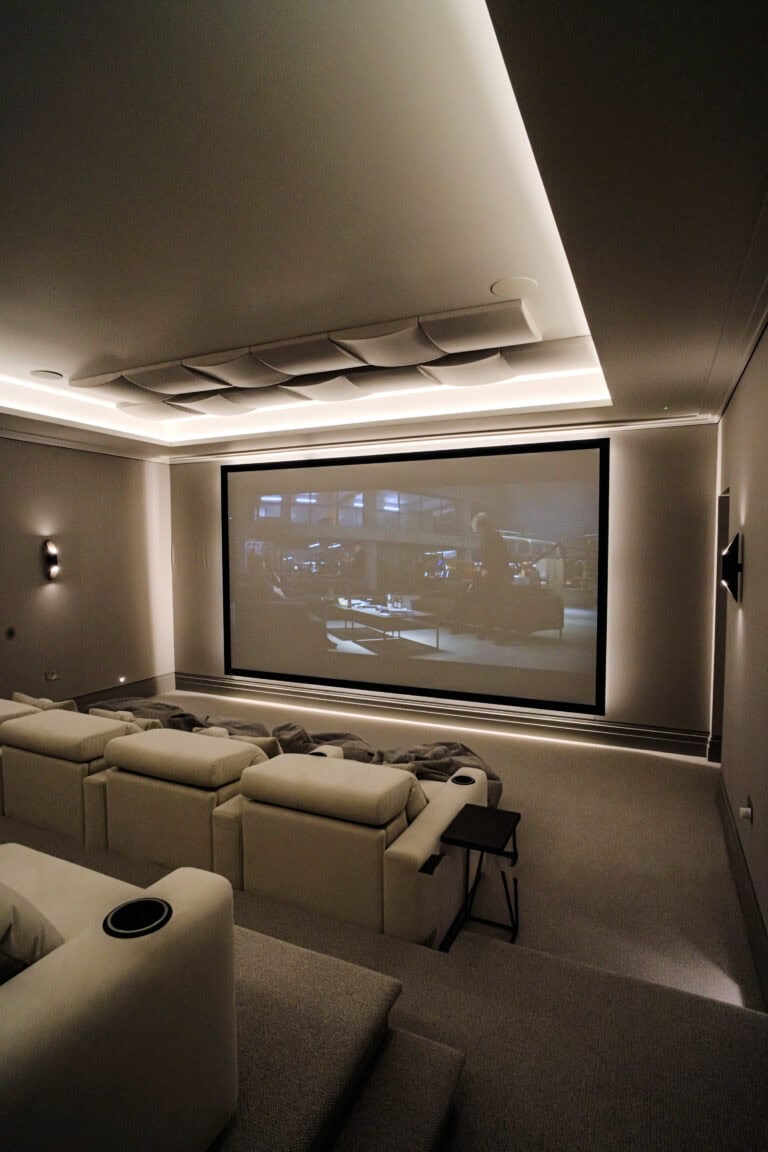
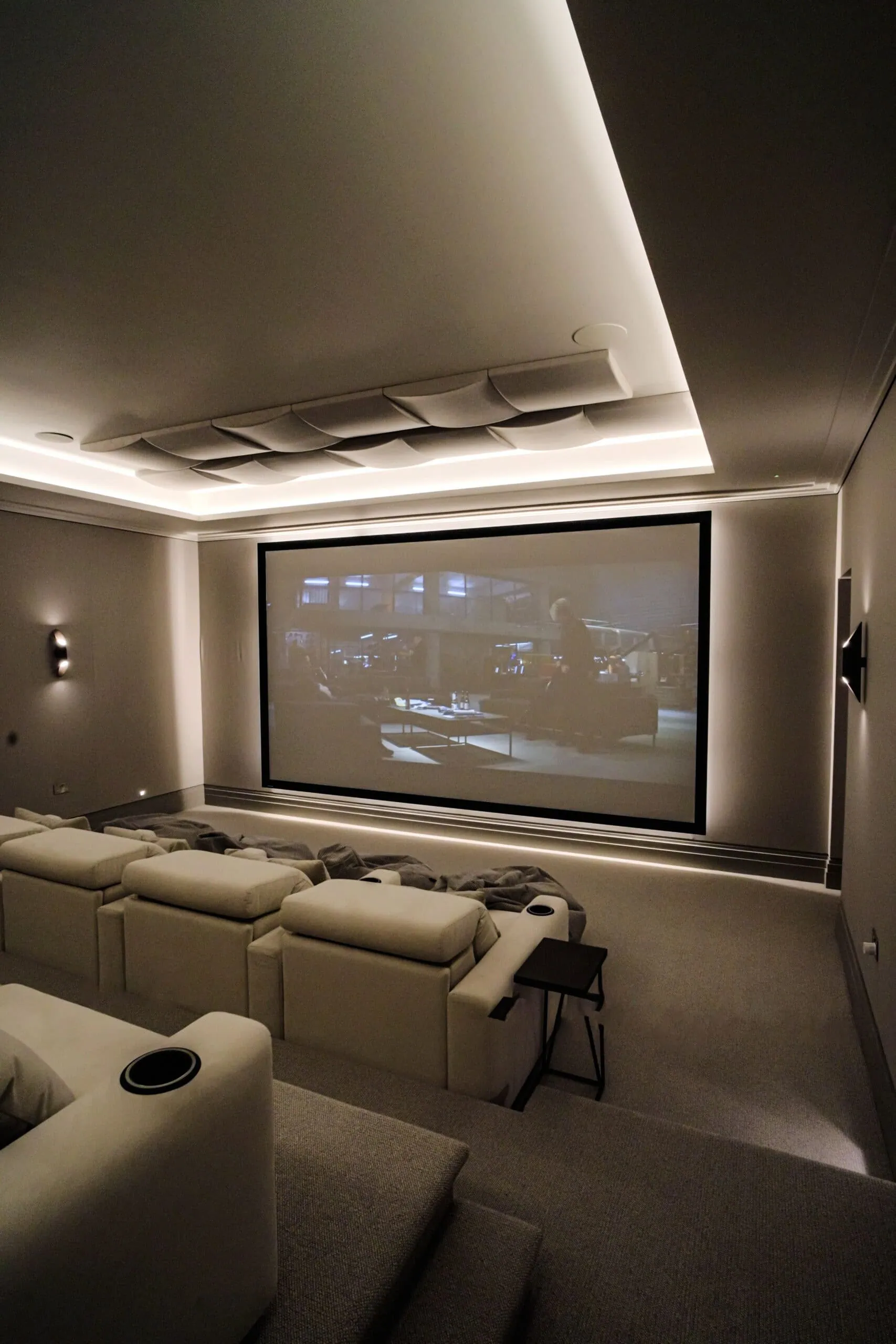
- Cinema and media rooms. Warm, low-level light between films, then everything down for the picture.
What should you plan before choosing Ketra?
Ketra is a lighting decision as much as a control decision, so it works best planned early.
- Decide at design stage. Downlight positions and ceiling cut-outs are fixed early in a build or renovation.
- Choose the system with it. Ketra points you towards HomeWorks or RadioRA 3, and that choice also shapes your keypads.
- Avoid mixing by accident. Put a Ketra downlight next to a standard LED and the difference in colour can show. Plan whole rooms, not single fittings.
- Plan the scenes. Tunable white only helps if the scenes use it. Our guide to planning lighting scenes shows how we build them room by room.
For how we design and install Lutron systems around the rest of your home, see our Lutron lighting control service.
Talk it through
Colour temperature is hard to judge from a web page. Book a free design consultation and we will talk through where tunable white would genuinely help in your home, and where standard dimmable lighting will do the job.
Frequently asked questions
What colour temperature range does Lutron Ketra cover?
Lutron quotes 1,400K to 10,000K for its Intelligent Lighting range, which includes Ketra. That runs from a deep amber glow to a very cool daylight white.
Does Ketra work in the UK?
Yes. Lutron says its Ketra fittings for the UK and Europe are engineered for 230 V and work with the Lutron systems sold here, including HomeWorks and RadioRA 3.
What is the difference between tunable white and warm dim?
Tunable white lets you set colour temperature and brightness separately, while warm dim links them so the light gets warmer as it dims, like an old filament bulb.
Can Ketra show colours as well as white?
Yes. Lutron says Ketra mixes red, green, blue and white LEDs and can produce 16.7 million colours, although most homes use it mainly for natural white light.
Can Ketra be added to an older RadioRA 2 system?
Not directly. Lutron’s Ketra FAQ says Ketra does not currently integrate with RadioRA 2, so the system would need upgrading first.